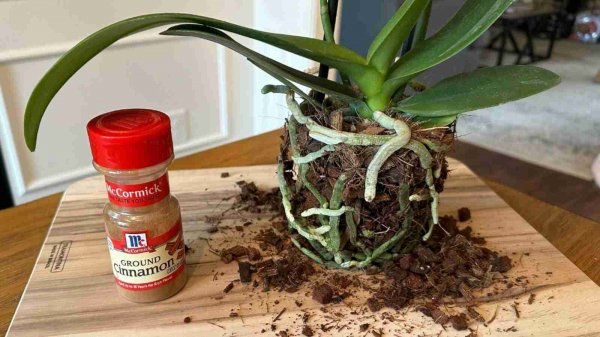
Gardeners often reach for cinnamon as a home remedy for orchid root rot, but horticultural experts warn that this kitchen spice can actually accelerate the death of the plant. While cinnamon does have antifungal properties, its caustic nature dehydrates already fragile roots, making it a harmful choice for treating this common fungal disease.
Root rot in orchids is typically caused by overwatering, a frequent mistake among new orchid owners. When roots remain saturated, their surfaces soften and deteriorate, leaving them vulnerable to fungi that thrive in damp conditions. Over time, the roots turn dark brown and mushy, and the plant's health declines.
Prevention is the most effective strategy. Indoor orchids generally need watering about once a week, but this depends on the container and ambient humidity. Equally important is using a pot with ample drainage and a commercial orchid potting mix, which usually contains bark and charcoal to promote airflow and prevent waterlogging.
If root rot does occur, acting quickly can save the plant. The first step is to remove the orchid from its pot and inspect the roots. Healthy roots are green or white, plump, and slightly flexible, while rotten roots are dark, mushy, and break apart easily.
Repotting and Treatment Steps
After confirming root rot, the orchid should be repotted in a suitable container. Terracotta pots designed for orchids are often recommended because they wick moisture away from the roots while retaining some humidity. Hanging wooden baskets work well outdoors but can be messy indoors.
When repotting, gently remove as much old potting mix as possible, since fungus can linger in the medium and reinfect the roots. Using a clean, sharp tool, trim away all damaged tissue, leaving only healthy roots. Allow the roots to dry for several hours before applying a copper-based fungicide or powdered sulfur, then place the orchid in fresh, clean potting mix.
Why Cinnamon Is Harmful
Cinnamon acts as a desiccant on plant tissue, which is why it is useful for sealing pruning cuts on leaves or flower spikes. However, the same property that helps cuts heal quickly is destructive to delicate, rotting roots. The spice draws moisture out of the roots, causing them to dehydrate and die, which can lead to the loss of the entire plant.
For this reason, experts advise against using cinnamon on roots affected by rot. Instead, they recommend the copper-based fungicides or powdered sulfur mentioned above, along with correcting the underlying watering and potting issues.
Ultimately, the key to reviving an orchid with root rot lies in repotting and adjusting watering habits. By providing proper drainage, a suitable potting medium, and a consistent watering schedule, growers can give their orchids the best chance to recover and thrive.