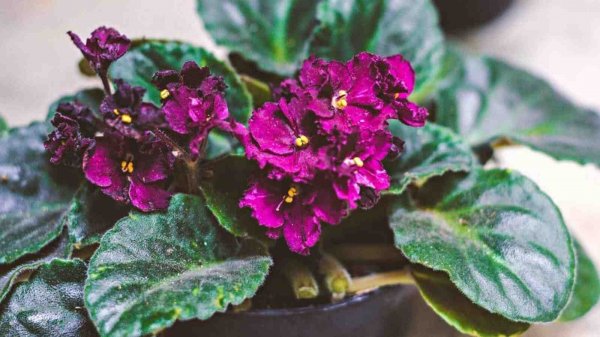
African Violets, known for their year-round blooms and compact rosette of furry leaves, can suddenly droop or wilt, signaling an underlying care issue. While these houseplants have a reputation for being finicky, most problems are correctable if caught early. The key is to identify the cause quickly—whether it's watering habits, light exposure, temperature, pests, or fertilizer—and take targeted action.
Healthy African Violets grow vigorously with firm, thick leaves and stems, and produce bright, fresh flowers. When leaves appear soggy, mushy, or discolored, or the plant loses its upright posture, it's time to investigate. The most common culprit is overwatering, but other factors can also lead to drooping.
Watering Balance: The Most Common Culprit
Overwatering is the leading cause of wilting in African Violets. These plants are highly sensitive to soggy soil, which can lead to root rot and eventual death if not addressed. The first sign is soil that remains wet and fails to dry quickly. If the roots stay too wet, they begin to rot, causing leaves to wilt and the plant to become mushy.
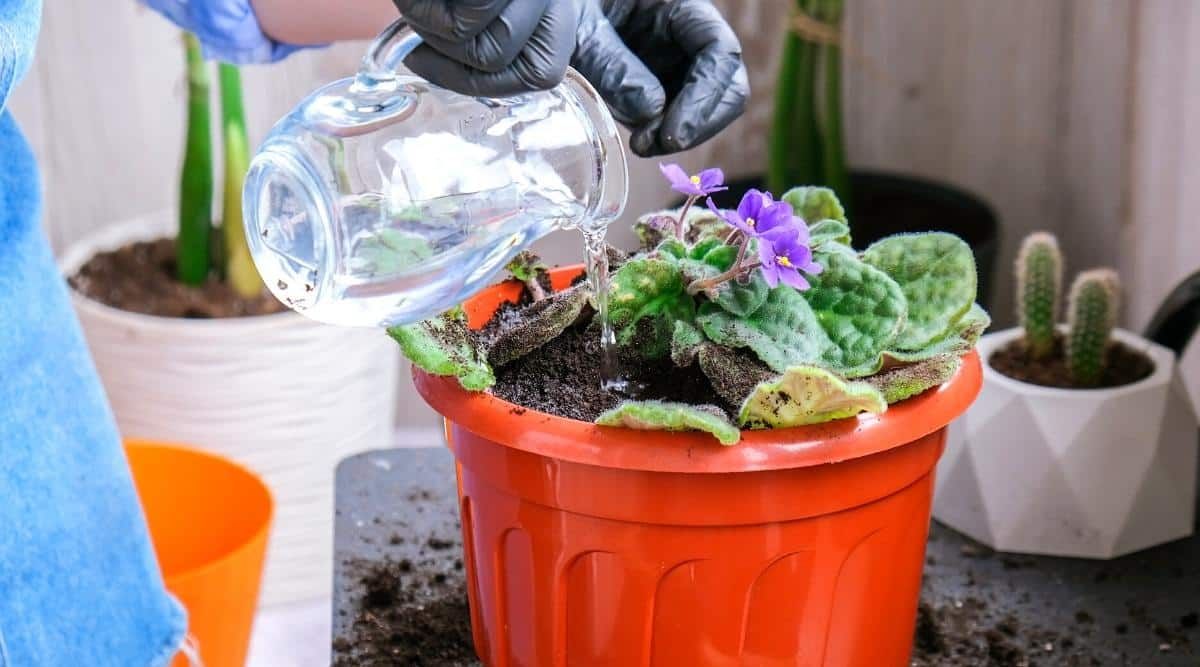
To fix an overwatered plant, repot it in fresh, well-draining soil, removing any dead or mushy leaves and flowers. If the plant has been drooping for several days, inspect the roots and cut away any rotten parts. If the entire root system is decayed, the plant may be beyond saving. However, if part of the crown remains firm, you can try to salvage it by cutting away the damaged portions, applying rooting hormone, and repotting in fresh soil. New roots may sprout within a few weeks.
On the flip side, underwatering can also cause wilting. Signs include powdery dry soil and a pot that feels unusually light. If left too dry, the plant may become brown and brittle. To revive it, give a normal drink of room-temperature water from the bottom, but avoid overcompensating with excessive water.
Light and Temperature Stress
Insufficient light weakens African Violets, leading to leggy stems and reduced blooming. Ideally, they need 8 to 16 hours of bright, indirect sunlight daily, with at least 8 hours of darkness to trigger flowering. Move the plant to a brighter location or use a grow light, but avoid prolonged direct sun.
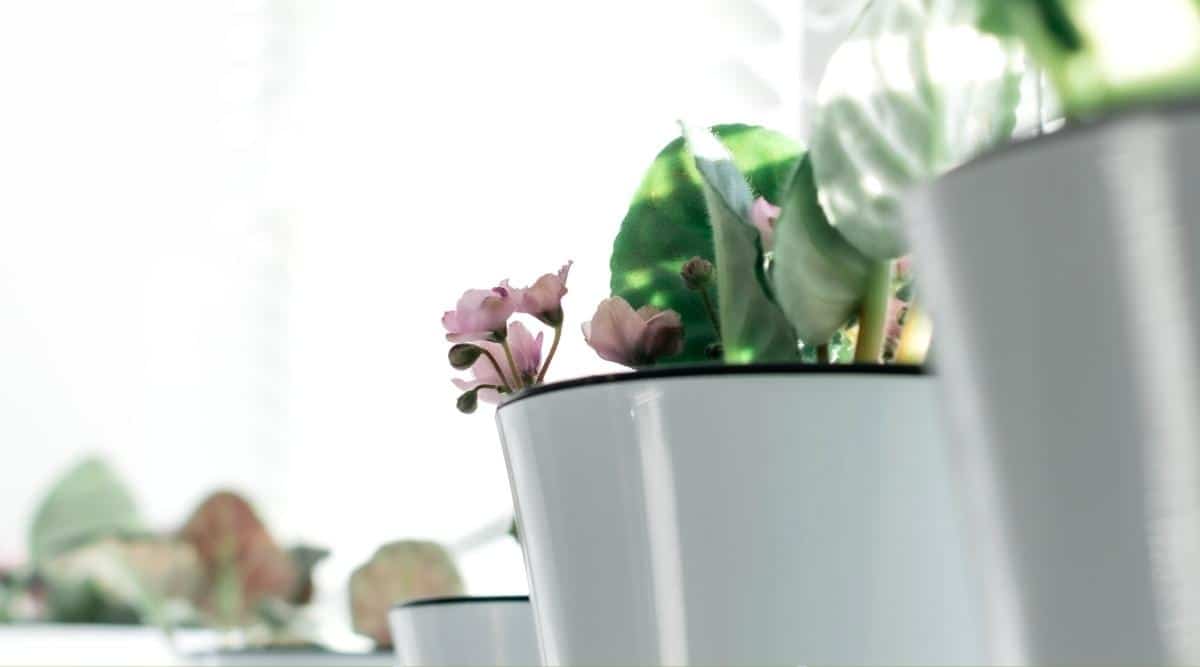
Water temperature also matters. Cold water can shock the plant, causing leaves to curl downward and droop. If water splashes on leaves, brown spots may appear. To prevent this, let water sit at room temperature for a day before watering.
Temperature extremes—both hot and cold—can also cause wilting. African Violets prefer a range of 65-80°F (18-27°C). They can tolerate brief deviations but may suffer permanent damage if exposed for long periods. In winter, a heating mat can help; in summer, keep them below 80°F.
Pests and Fertilizer Issues
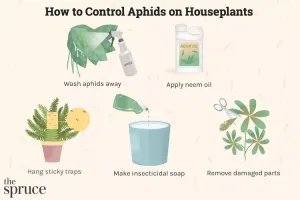
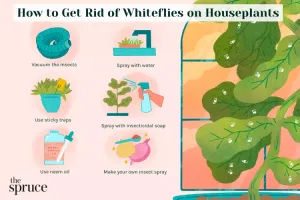
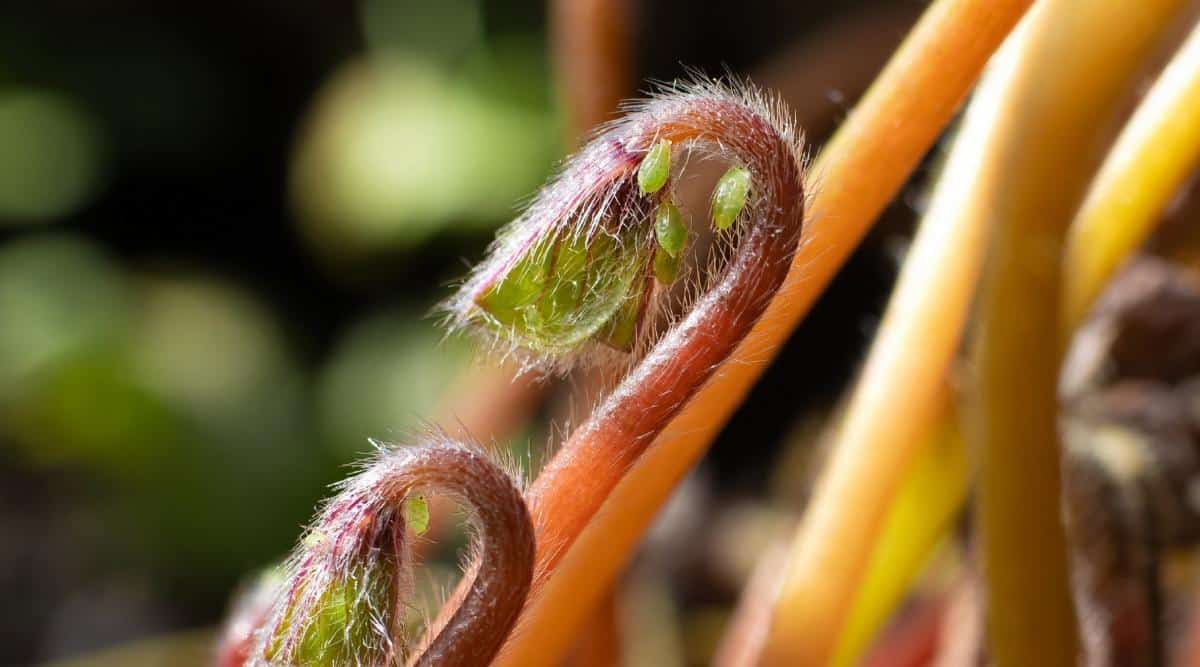
Insect infestations, such as aphids, mites, and mealybugs, can weaken plants and cause leaves to wilt or become misshapen. Check both sides of leaves for clusters of tiny insects. Isolate affected plants, and treat light infestations with a warm water spray or a cotton swab dipped in insecticide. For heavier infestations, use insecticidal soap, pyrethrin sprays, or soil granules, following label directions.
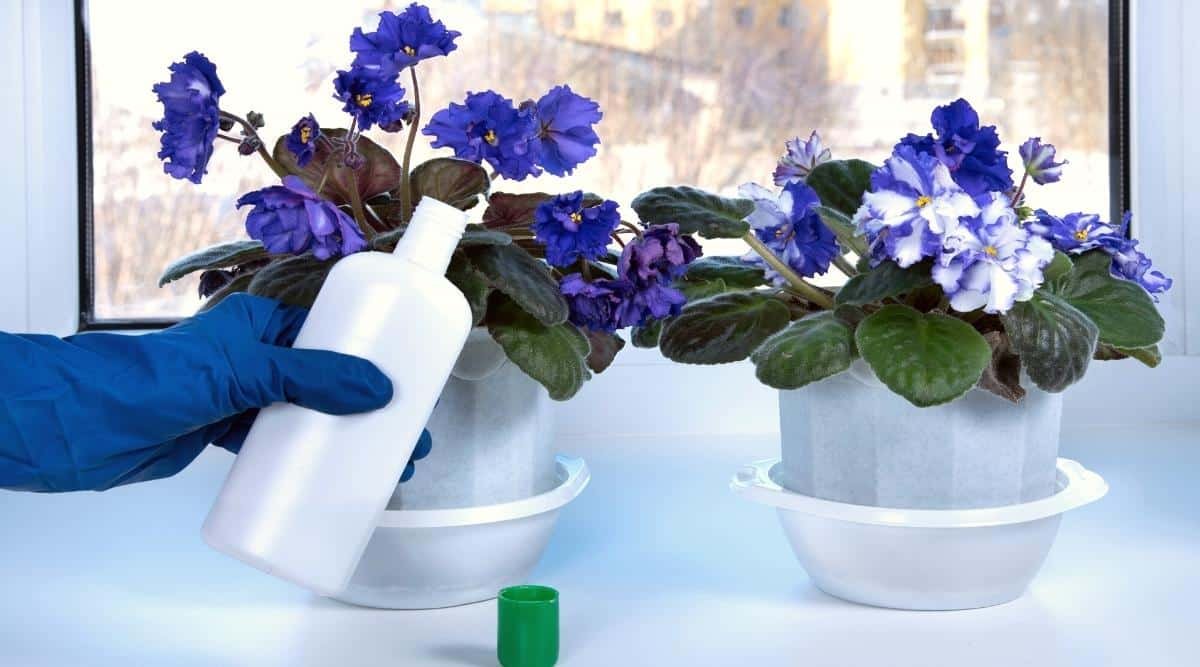
Overfertilization is another common issue. Symptoms include drooping leaves, leaf burn, brittleness, and white crystals on the soil surface from excess salts. To remedy, flush the pot with fresh, room-temperature water to leach out excess fertilizer, allow thorough drainage, and pause fertilization. Use a fertilizer specifically formulated for African Violets and follow the instructions.
Early detection is crucial for recovery. By observing your plant regularly and addressing issues promptly, you can restore its health and enjoy its vibrant blooms. In some cases, severe damage may be irreversible, but with proper care, most African Violets bounce back.