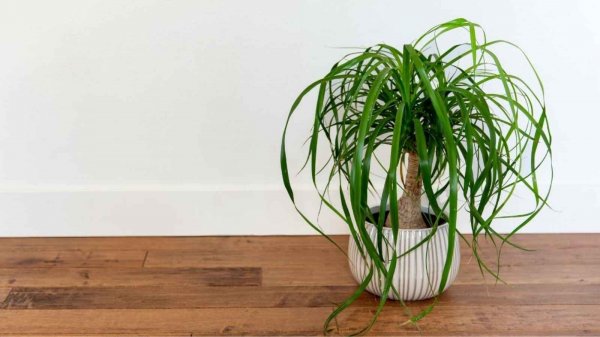
Ponytail palms, with their swollen trunks and cascading foliage, are a favorite among houseplant owners for their low-maintenance nature. However, even these hardy desert natives can show signs of distress. Recognizing the symptoms early and applying the right remedy is key to bringing a stressed ponytail palm back to full health.
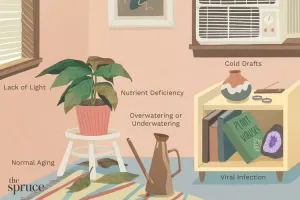
Despite the name, ponytail palms are not true palms but are more closely related to agave. Their ability to store water in a swollen trunk base, known as a caudex, makes them drought-tolerant, but it also makes them susceptible to overwatering. The most common problems include root rot, dehydration, nutrient imbalances, frost damage, and pest infestations. Each issue presents distinct symptoms that, once identified, can be treated with specific steps.
Root and Stem Rot: The Overwatering Hazard
Root and stem rot are among the most frequent issues, often caused by soil that stays too moist. Symptoms include yellowing leaves and a mushy, brown base and roots. While overwatering is a primary cause, poor drainage or an oversized pot can also trap water around the roots. To fix this, allow the soil to dry out completely, then repot the plant in a well-draining mix, such as a cactus or succulent blend. Ensure the new pot has drainage holes and is appropriately sized. Before replanting, prune away any brown, mushy roots.
Dehydration: When the Trunk Shrinks
Brown, crispy leaf tips and inward curling leaves signal dehydration. The trunk may also appear smaller as the stored water is depleted. This often happens during hot summer months or when watering is infrequent. To check, insert a finger into the soil; if the top three inches are dry, it's time to water. The recommended method is bottom watering: place the pot in a basin of tepid water about four inches deep for 45 minutes to an hour. This allows the soil to absorb moisture from the bottom up, rehydrating the plant effectively.
Nutrient Deficiencies and Over-Fertilizing
Yellowing leaves can indicate a lack of essential nutrients, particularly manganese, magnesium, or nitrogen. Since succulent potting mixes are often nutrient-poor, regular feeding is necessary. Use a soil test kit to identify the specific deficiency, then choose a slow-release fertilizer formulated for cacti and succulents. Be patient, as it may take a month or two to see improvement. Conversely, too much fertilizer can cause leaf tips to brown, and in severe cases, burn the roots. Always dilute the fertilizer to half strength and feed only during the active growing season, from spring through fall, avoiding winter.
Frost Damage and Cold Stress
Being desert plants, ponytail palms are sensitive to cold. Temperatures below 20°F can be lethal. Frost damage manifests as browning or blackening leaves and a soft, mushy trunk due to ruptured tissue. To treat, prune damaged parts, clean your shears, and apply a copper-based fungicide. Reapply after ten days. After the second application, fertilize monthly to encourage new growth. New leaves may appear distorted initially, but with proper care and deep watering every two weeks, the plant should recover.
Mealybug Infestations and Other Pests
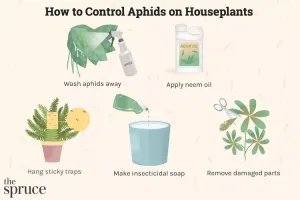
A fuzzy white substance on the plant indicates a mealybug infestation. These pests suck sap, causing yellowing leaves and eventual leaf drop. They also excrete a substance that promotes sooty mold, which can hinder photosynthesis. To control mealybugs, isolate the plant, prune infested areas, and treat with a pesticide containing pyrethrin or neem oil. Alternatively, dab the bugs with 70% isopropyl alcohol or spray with a 1:1 alcohol-water solution, adding a drop of dish soap. Apply during cooler parts of the day to avoid sun damage.
Acclimation: Giving Plants Time to Adjust
Sometimes, a seemingly sick plant is simply adjusting to a new environment. Whether newly purchased or moved to a different room, changes in light, temperature, and air circulation can cause stress. During this period, provide consistent care and minimize disturbances. With time, most plants will acclimate and return to health.
Understanding these common issues and their remedies can help any plant owner maintain a thriving ponytail palm. With proper attention to watering, feeding, and environmental conditions, these resilient plants can live for decades, adding a touch of desert charm to any space.