As temperatures rise in spring and summer, gardeners across the country face a familiar adversary: the squash bug (Anasa tristis). These shield-shaped insects, relatives of stink bugs, feed on the sap of squash and other cucurbits, causing yellowing, wilting, and even plant death. Beyond direct damage, they can transmit cucurbit yellow vine disease, making early identification and control essential for a healthy harvest.
Squash bugs are not picky eaters. While they show a preference for squash and pumpkin, they will readily attack cucumber, watermelon, and cantaloupe vines. They are particularly drawn to winter squash varieties like Hubbard, though summer squash and zucchini are also at risk. Heirloom and older squash varieties tend to show more resistance, offering some hope for gardeners seeking less susceptible options.
Recognizing the Enemy
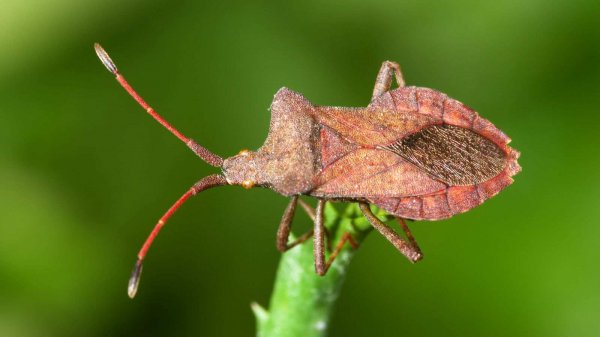
Adult squash bugs are about half an inch long, with a grayish-brown to black body that resembles a shield. When disturbed, they emit a distinctive odor often compared to cilantro or, in some cases, sulfur or rancid meat. Their eggs are small, oval, and bronze to rusty red, laid in clusters of 15 to 40 on the undersides of leaves and along stems. Nymphs, which hatch from these eggs, look like pale green or chalky white spiders with dark legs, gradually darkening as they mature through five instars over about 33 days.
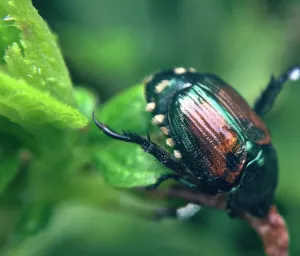
It's easy to confuse squash bugs with other pests, such as the squash vine borer or cucumber beetles. Squash vine borers are moths whose larvae bore into stems, while cucumber beetles are shiny yellow with black spots. Distinguishing between them is critical, as control methods differ significantly.
The Damage They Cause
As squash bugs feed, they inject toxic saliva into plant tissue, leading to dark stippling and yellow spots on leaves. Over time, these spots enlarge, and leaves may droop, mimicking symptoms of bacterial wilt. If populations are left unchecked, they may attack developing fruit, causing lesions and sudden wilting. In severe cases, the entire plant collapses. Furthermore, squash bugs can carry Serratia marcescens, the bacterium responsible for cucurbit yellow vine disease (CYVD), which causes sudden vine yellowing and collapse in mid-summer. The disease persists in overwintering bugs, making year-round management important.
Integrated Management Strategies
Effective squash bug control requires a multi-pronged approach, integrating cultural, biological, and organic methods. Early detection is key: regularly inspect the undersides of leaves and stems for eggs and nymphs. Handpicking adults and nymphs and dropping them into soapy water is a simple, effective method. A wet butter knife can help flick bugs into a bucket of soapy water. Remove egg masses with your fingernail and destroy them.
Planting resistant varieties, such as butternut, royal acorn, and sweet cheese squash, can reduce pressure. Trellising vines makes it harder for bugs to hide, and removing plant debris after harvest eliminates overwintering sites. Placing boards near plants can attract bugs seeking shelter at night, allowing for easy collection in the morning.
Biological control involves encouraging natural enemies. The parasitic tachinid fly (Trichopoda pennipes) lays eggs on nymphs and adults; the resulting maggots kill the bugs. Planting cilantro, dill, fennel, and other flowering herbs attracts these beneficial flies. Parasitic wasps from the families Encyrtidae and Scelionidae also help control squash bug populations.
For organic insecticidal options, horticultural oil, canola oil, and neem oil are most effective on nymphs. Spray in the early morning or dusk to minimize impact on bees, and reapply every 7 to 10 days. Insecticidal soap requires direct contact with the bugs. Diatomaceous earth can be dusted on leaves to control nymphs but should be kept away from flowers to protect pollinators. Pyrethrins are effective but should not be used within two weeks of harvest.
Prevention is the best strategy. Floating row covers, secured tightly to the ground, prevent adult bugs from reaching plants during breeding season in early summer. Delaying planting until early summer can also help, as bugs will have already laid eggs elsewhere. By combining these methods, gardeners can significantly reduce squash bug damage and maintain healthy vines throughout the season.