When houseplants start showing yellow leaves, it's often the first visible sign that something is off in their environment. The causes range from simple watering mistakes to more serious issues like viral infections or pest infestations. While diagnosing the exact problem can sometimes feel like trial and error, understanding the most common triggers can help you take corrective action and restore your plant's health.
Yellowing is a stress response, and plants may drop affected leaves to conserve energy. In many cases, removing fully yellow leaves with a sterile cutting tool can redirect nutrients to healthier parts of the plant. Patience is key—once the underlying issue is addressed, new green growth often follows with the next season.
Moisture Imbalance: The Most Frequent Offender
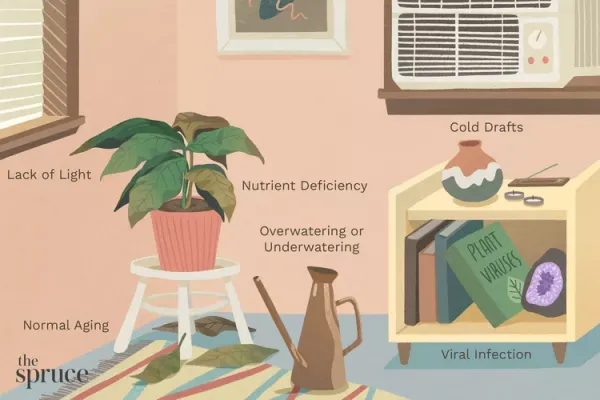
Overwatering or underwatering tops the list of reasons indoor plant leaves turn yellow. Checking the soil is the first step: if it's bone dry, the plant is likely dehydrated and dropping leaves to prevent water loss through transpiration. Yellowing often starts at the tips or appears with brown spots before the leaf falls. Establishing a regular watering schedule can help.
On the flip side, waterlogged soil can drown roots by depriving them of oxygen, leading to root death and yellowing. Ensuring proper drainage is crucial—plants should never sit in standing water.
Environmental Stressors: Light, Drafts, and Aging
Insufficient light is another common cause. When a plant isn't getting enough sun, the lower leaves may yellow and drop, often on the side facing away from the light source. Rotating the pot weekly can help all sides receive equal light, and moving the plant to a sunnier spot—or supplementing with artificial grow lights, especially in winter—can make a difference.
Cold drafts from air conditioners or drafty windows can also trigger yellowing in tropical houseplants. Unlike brief exposure to intense cold, which causes browning or pale spots, drafts cause gradual yellowing and leaf drop. Relocating the plant to a more stable environment and increasing humidity through misting can mitigate the stress.
Natural aging is a normal part of a plant's life cycle. As plants mature, older lower leaves will yellow and fall off. This isn't a cause for concern—simply trim the stem to encourage bushier growth if the plant becomes leggy.
Nutrient Deficiencies and Hard Water
Yellow leaves can also indicate a lack of essential nutrients, such as nitrogen, or an excess of calcium from hard water. Symptoms may appear first on the top leaves, or you might notice dark veins with yellowing tissue between them. Since nutrient needs vary by species, a soil test kit can help pinpoint the exact deficiency. Misdiagnosing can harm a plant that might otherwise recover.
Pests, Viruses, and Repotting Stress
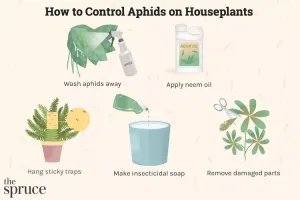
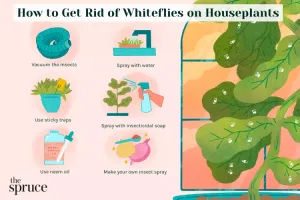
Dry indoor air can invite pests like aphids and spider mites, which feed on plant sap and leave yellow splotches. Checking the undersides of leaves for fine webbing can reveal an infestation. Insecticidal soap can eliminate these pests, and increasing humidity with a humidifier or a pebble tray can make the environment less hospitable.
Viral infections are more serious, often presenting as blotchy, spreading yellow patches, deformed growth, or discolored flowers. There is no cure for most plant viruses, so quarantining the affected plant is essential to prevent spread. Depending on the virus, you might try fungicides or propagate healthy parts, but severely infected plants should be discarded, and tools must be sterilized.
Finally, repotting can stress a plant, leading to yellow leaves as it adjusts to new soil. This is normal—give the roots time to settle, and avoid fertilizing during this period. For newly purchased plants, wait about a week before repotting to let them acclimate to your home.
Understanding these eight factors can turn a frustrating guessing game into a manageable diagnosis. By observing your plant's specific symptoms and environment, you can often reverse the yellowing and keep your indoor garden thriving.