As autumn temperatures begin to fall, gardeners face the annual question of which outdoor plants to bring inside and how to prepare them for the shift. Without careful planning, the move can be stressful for both the plants and the household, as changes in sunlight, humidity, and temperature—along with the risk of introducing pests—can threaten the health of indoor plants.
Experts recommend starting with a clear assessment of which plants need protection. Tropical species such as orchids, gingers, begonias, alocasias, and colocasias are obvious candidates, but the best guide is the plant's climate zone. For gardeners in zones 7 through 9, the decision can be less clear-cut, as some plants may survive outdoors with protection. A practical approach is to prioritize plants that are either valuable or difficult to replace, and to consider digging up bulbs or tubers like dahlias and ginger for winter storage.
Timing and Temperature Thresholds
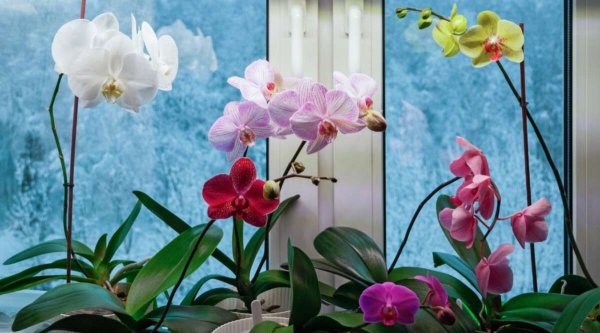
Monitoring the weather is critical. Many tropical plants must come indoors when nighttime temperatures dip below 50°F, while others can tolerate cooler conditions. Some plants, such as certain orchids, actually need a period of cooler temperatures to trigger bud formation. Gardeners should watch forecasts and avoid waiting too long, as an unexpected cold snap can damage foliage.
Before moving plants, a thorough inspection is in order. Remove dead or damaged leaves, which can harbor pests and diseases. Treat any infestations with low-impact options like insecticidal soap, neem oil, or BT, and consider a quarantine period of one to two weeks for new arrivals to prevent spreading issues to established houseplants.
Repotting and Soil Refresh
Autumn is also an ideal time to repot plants that have outgrown their containers or to refresh the soil. Outdoor soil may contain pests or fungal spores, and the same soil that drains well in summer can become waterlogged indoors, leading to root rot. Fresh, well-draining potting mix helps prevent this and provides nutrients for spring growth.
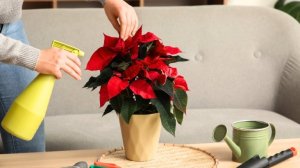
Cleaning foliage is another important step. Leaves can accumulate dust, sooty mold, or residues from insect honeydew. Wiping leaves with a soft cloth dipped in soapy water, then rinsing with clean water, can remove these issues without harming the plant.
Acclimation and Placement
Plants that thrive in full sun, such as hibiscus and petunias, need a gradual transition to lower indoor light. Moving them to a shaded spot for a week or two before bringing them inside helps them adjust and enter dormancy more easily. Alternatively, bring them indoors for a few hours each day, gradually increasing the time over two weeks.
Once inside, placement matters. Most plants still need some sunlight, even during dormancy. Tropical varieties, which often require 60-70% humidity, do well in bright bathrooms or near humidifiers. Pebble trays can also boost local humidity.
Safety is another consideration, especially in homes with pets or children. Many common houseplants, including philodendrons, are toxic if ingested, and bulbs often contain higher toxin concentrations. Keep these out of reach, and be mindful of cacti with hidden spines.
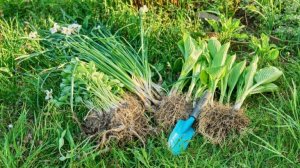
For those who prefer to store bulbs rather than entire plants, proper storage is key. Dahlias and cannas should be dug up after the first frost kills their foliage, while ginger and turmeric are best lifted before temperatures drop below 50°F. Clean and dry the bulbs for a week or two, then store them in a cool, dry place, wrapping some in paper or peat for insulation.
With a little foresight and preparation, gardeners can successfully overwinter their tender plants indoors, ensuring a vibrant return in spring.