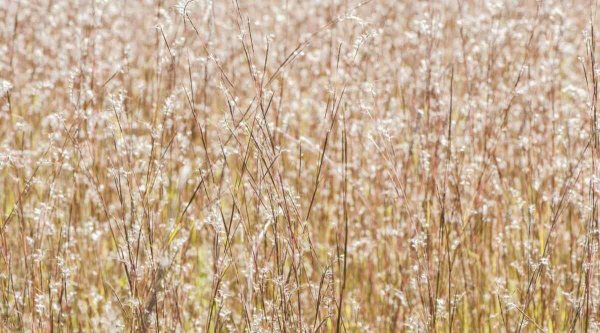
Gardeners looking to fill dry, sunny patches where other plants fail may find an ally in little bluestem (Schizachyrium scoparium), a native ornamental grass that thrives on neglect. This perennial, found across most of North America, offers silvery-blue-green foliage in summer that shifts to warm red and burgundy tones in autumn, providing year-round interest with minimal input.
Little bluestem is naturally adapted to poor, well-draining soils and dry conditions, making it a practical choice for slopes, prairies, and out-of-the-way corners of a yard. It grows in clumps up to two feet wide and can reach three to five feet tall, though taller plants may flop over. Its deep root system also helps with erosion control, and it serves as a host plant for several butterfly species, adding ecological value to any landscape.
Planting and Establishment
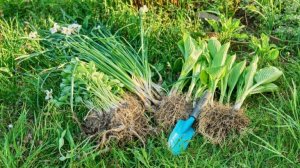
For best results, transplant little bluestem in the spring, giving roots the full growing season to anchor before winter. Choose a sunny location with well-draining soil; dig a hole the size of the clump, place the plant, and backfill. Keep the soil lightly moist for the first few weeks, but avoid overwatering, as the grass cannot tolerate wet feet.
Growing from seed is also straightforward. Seeds need warmth to germinate, so start them indoors with a heating mat or sow directly outdoors once nighttime temperatures stay above 50°F. Plant seeds a quarter-inch deep and keep the soil moist but not soggy. Fall planting is possible if the grass has time to establish before frost.
For those without suitable in-ground conditions, containers work well. Use a pot with drainage holes and coarse soil. Container plants may need more frequent watering since they dry out faster, but the same rule applies: don't overwater.
Care and Maintenance
Once established, little bluestem requires little attention. It needs at least six hours of full sun, though more is better. Watering is rarely necessary beyond weekly, and only when the ground is dry. Too much water can cause the grass to flop and may lead to root rot or fungal diseases.
Fertilizing is almost never needed. Rich soil encourages tall, weak growth that flops over. If you must fertilize, use a low-nitrogen option and only on infertile soil. In late winter or early spring, cut the grass back to two to four inches to promote fresh growth. Division is optional but can be done in early spring to propagate new plants.
To prevent self-seeding, remove seed heads before they mature. The grass reseeds readily, so it's best for areas where spread is welcome.
Common Issues and Solutions
The most frequent problem is flopping, or lodging, which can result from too much water, insufficient sunlight, or excess nitrogen. Ensuring proper drainage and full sun usually prevents this. Pests are rarely a concern, though butterflies may lay eggs on the plant; if you'd rather not have caterpillars, consider planting extra grass for them or relocating them by hand.
Diseases like leaf spot, rust, and root rot can occur, especially in wet conditions. Tangle top, a fungal disease unique to little bluestem, causes distorted leaf tips and a black line down the leaf. Remove and discard infected parts, and improve airflow and drainage to prevent spread.
Little bluestem also has practical uses beyond ornament. Several cultivars, such as 'Camper' and 'Aldous,' were bred for pasture and hay production. Cut in early summer for the most nutritious hay, and dry it in a cool, dark place.
With its adaptability and low demands, little bluestem is a reliable choice for gardeners seeking a native grass that adds beauty and function to difficult areas.