Gardeners looking to rejuvenate tired perennials, curb overgrowth, or multiply their favorite plants can turn to division, a practice that offers multiple benefits when timed correctly. Early fall is the prime window for splitting spring and summer bloomers, while spring is reserved for fall-flowering varieties, according to horticultural guidance. The mild conditions of these seasons give transplants a chance to establish roots before temperature extremes set in.
Division addresses several common garden issues: it revives declining crowns, improves air circulation by reducing crowding, and frees up root space for better access to nutrients and water. It also helps manage the size of vigorous spreaders and produces new plants to expand a collection. Most perennials benefit from division every three to five years, though some, like Christmas ferns, can handle it annually, while others may never need it.
Signs It's Time to Divide
Several indicators suggest a perennial is ready for division: a declining central crown, fewer flowers, woody stems with limited new growth, sparse foliage, or new growth concentrated on the perimeter. Plants growing in suboptimal conditions—such as excessive shade or poor drainage—may also benefit from being moved and divided. Observing these cues helps gardeners decide when intervention is warranted.
Seasonal Timing and Local Conditions
Timing hinges on the plant's bloom cycle. Fall division is ideal for spring and summer bloomers because they are winding down and can direct energy to root development rather than flowering. Spring division suits fall bloomers and any late-season plants missed in autumn. On the day of division, choose a mild, overcast day to minimize stress on both new and existing plants, avoiding extreme heat or cold.
For fall division, check the anticipated first frost date and allow at least four to six weeks before that date, especially in cold climates. This window lets roots establish before the ground freezes. September and October are optimal for many regions, as roots have stored energy from the growing season. Some perennials, like peonies, also require a winter chill to bloom well, making fall division advantageous. In spring, wait until after the final frost and when new growth reaches several inches tall, but before budding and flowering, to encourage quick root development in warming soil.
Perennials Suited for Each Season
Popular selections for fall division include coreopsis, daylilies, hosta, iris, lilies, peonies, phlox, poppies, rudbeckia, and yarrow. Spring division is recommended for asters, autumn sage, chelone, chrysanthemums, dahlias, helianthus, liatris, monarda, penstemon, sedum, and solidago. However, some perennials are sensitive to root disturbance and are best left undivided, such as baptisia, bleeding heart, milkweed, and peonies—though a peony in poor conditions may still benefit from being moved and divided despite the risk.
Tools, Prep, and Technique
Successful division starts with clean, sharp tools. Sanitize digging forks, shovels, pruners, or blades with 70% isopropyl alcohol to prevent disease spread, and sharpen edges to avoid tearing roots. Before dividing, remove dead or diseased growth and decide on the new planting location, preparing the bed by clearing debris, amending soil with compost if needed, and watering deeply the day before to ensure turgid, resilient roots.
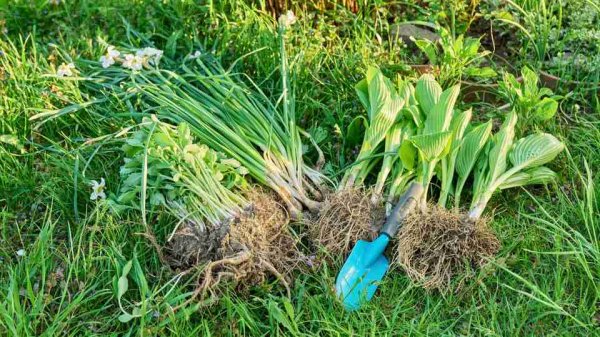
To divide, dig a wide berth around the clump to lift the entire root system intact. Separate the clump into sections, each with three to five viable stems and roots, using a knife, pruners, or even by hand. For tuberous plants like peonies and dahlias, ensure each section has bud eyes—peonies need three to five, dahlias at least one. Replant divisions promptly at the same depth as the original, spacing them appropriately for mature growth. Containers and raised beds also work, provided they have good drainage and winter protection in cold climates.
After replanting, water thoroughly to settle the soil, maintaining even moisture without oversaturating. Mulch with a two-inch layer, keeping it off stems, and add extra mulch in fall for winter protection. Fertilizer is generally unnecessary in rich soils; if desired, apply in spring once active growth resumes. With careful timing and technique, division can invigorate a garden and expand its bounty for years to come.