As spring transitions into summer, gardens across the United States can burst into color with native plants that bloom in late spring. From the Pacific Northwest's towering rhododendrons to the Rocky Mountains' delicate columbines, these 11 species offer regional diversity and ecological benefits. Whether you garden in a cool, moist climate or a dry, sunny one, there is a native plant suited to your area.
Native plants are adapted to local conditions, making them resilient choices for gardeners. They also support local pollinators, including bees, butterflies, and hummingbirds. The species listed here range from ground covers to shrubs, each with unique bloom times and growing requirements.
Regional Standouts
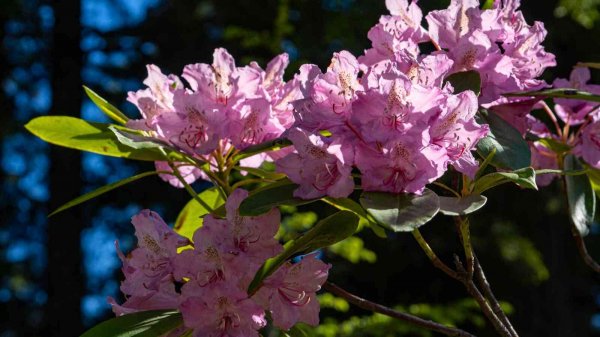
One of the most striking is the Pacific rhododendron (Rhododendron macrophyllum), which can grow into a 25-foot-tall tree in the dappled shade of coastal forests. It is the state flower of Washington and produces large pink or white blossoms with spotted throats. This species thrives in moist, wooded areas of Oregon and Washington, attracting bees during its bloom period.
For gardeners in the Rocky Mountains, the Rocky Mountain blue columbine (Aquilegia coerulea) is a standout. Its spurred flowers are a favorite of hummingbirds, which feed on the nectar and help pollinate the plant. Other columbine species, such as the red columbine (Aquilegia canadensis) in the East and the western columbine (Aquilegia formosa) on the West Coast, offer regional alternatives.
In the Pacific Northwest, the Pacific bleeding heart (Dicentra formosa) spreads vigorously through underground rhizomes, making it an excellent ground cover under trees and shrubs. Its heart-shaped, pendulous flowers are delicate and attractive, and it is not invasive, allowing gardeners to dig up and share extra plants.
For Shade and Moisture
Wild ginger (Asarum spp.) is a low-growing perennial that thrives in cool, shady conditions. Several species are native to different regions: the western wild ginger (Asarum caudatum) grows in zones 7-10, the showy heartleaf ginger (Asarum arifolium) in zones 5-9, and the Canadian wild ginger (Asarum canadense) in zones 4-6. These plants have aromatic leaves and unique flowers that are pollinated by flies and beetles, with seeds dispersed by ants.
False Solomon's seal (Maianthemum racemosum) is another shade-loving option, producing airy clusters of white blossoms in late spring. These flowers turn into bright red berries that attract birds and small mammals. The plant spreads via rhizomes to form wide clumps, which can be divided in early spring or fall.
Sun-Loving Choices
For sunnier spots, the dwarf checkermallow (Sidalcea malviflora) offers bright pink flowering spikes that draw bees, flies, and butterflies. It is a meadow plant that performs best in mass plantings with other natives like columbines and asters. After setting seeds, some plants may die, so allowing them to self-seed ensures the planting persists.
The western buttercup (Ranunculus occidentalis) is a low-growing perennial with golden blossoms that brighten shady corners. It is hardy in zones 4-8 and is often confused with the invasive creeping buttercup, but the latter has white patches on its leaves, while the western species has plain green foliage.
Nodding onion (Allium cernuum) is a close relative of garden onions and is edible, with a pungent flavor. It grows well in dry, sunny spots and forms pink-white clusters of nodding blooms in late spring. Mature clumps are drought-tolerant in late summer and fall.
Unique Additions
Brown's peony (Paeonia brownii) is one of only two peony species native to North America. It thrives in harsh conditions, such as rocky mountainsides, and prefers cold winters, wet springs, and hot summers. Its maroon petals contrast with gray-green, lacy foliage, and it goes dormant in summer, making it ideal for rock gardens.
Spotted geranium (Geranium maculatum) is a true geranium, unlike the common garden center pelargoniums. It is hardy in zones 3-11 and produces bright pink or purple flowers in late spring. It naturalizes easily, spreading via seeds and clumps, and is well-suited to partially shady spots with moist, fertile soil.
Large leaf avens (Geum macrophyllum) features small yellow flowers on tall stems, with foliage that changes appearance as it grows. The blooms turn into fluffy seed heads that add ornamental interest to borders and wild plantings. It is adaptable to full sun or full shade, making it a versatile choice.
Before planting, gardeners are encouraged to research which species are native to their specific region. Local native plant nurseries are excellent resources for finding suitable specimens. By choosing plants that naturally occur in the area, gardeners can create a thriving, low-maintenance landscape that supports local ecosystems.