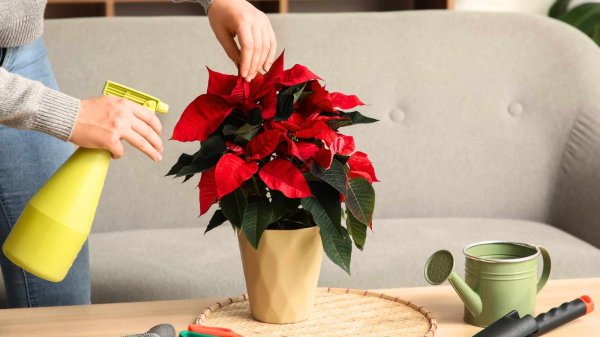
As the holiday season winds down, many households are left with a collection of festive plants, from poinsettias to Norfolk pines, wondering how to keep them thriving into the new year. The good news is that with a few adjustments in watering, light, and temperature, most of these plants can remain vibrant well past New Year's Day.
While each species has its own preferences, some universal principles apply. Most holiday plants are popular because they require minimal maintenance to look good for a month or so, but extending their life involves understanding their specific needs. Here's a breakdown of what to focus on.
Watering: The First Step to Plant Health
Proper watering is the cornerstone of plant care, and holiday favorites are no exception. For forced bulbs like amaryllis and paperwhites, keep the water clean and fill the container only enough to touch the roots. Submerging the bulbs can lead to rot. Hellebores, cyclamen, and poinsettias prefer moist, well-drained soil; if they dry out, their leaves will drop. Poinsettias, in particular, become leggy and lose leaves if left dry for extended periods.
Evergreens like spruce, fir, rosemary, and Norfolk pine need good drainage but enjoy moist soil. Water them when the soil looks dry, but avoid overwatering, which causes root rot. Rosemary is more drought-tolerant than most, making it an easy-care option. Christmas cacti, being succulents, have roots sensitive to fungus; they require well-draining soil and should be watered sparingly during bloom, as this marks the start of their dormant period.
Temperature and Humidity: Mimicking Tropical Conditions
Many indoor winter plants, including poinsettias, Christmas cacti, and amaryllis, are tropical natives. They prefer steady, warm temperatures. Fluctuations can stress even evergreens, signaling dormancy. Avoid placing plants in drafty windows on cold nights—they can freeze—and keep them away from fireplaces. Aim for consistent warmth.
Humidity is another critical factor, especially for tropicals like amaryllis and poinsettia. Indoor air, particularly in winter when heating systems run, is much drier than their native balmy climates. Low humidity can cause withered flowers and crispy leaves. Using a humidifier can help both your plants and your skin, and it also benefits live Christmas trees. Misting is an alternative, though less effective.
Light and Fertilizer: Timing Is Everything
Light requirements vary widely among holiday plants. Poinsettias thrive in bright, indirect light to full sun, so keep them near a window. Hellebores, on the other hand, prefer lower light and should be shielded from direct sun; a sheer curtain provides ideal filtered light. Amaryllis and paperwhites need partial sun or bright indirect light while growing, but once they bloom, moving them farther from the window can prolong the flowers. Evergreens generally tolerate full sun but are happy in partial shade, though some hollies require partial shade. Christmas cacti prefer bright indirect light, with morning sun being acceptable, but harsh afternoon exposure can burn leaves and shorten bloom life.
Fertilizer is best withheld during winter. Most plants are dormant, and a buildup of fertilizer can burn roots, causing leaf and flower edges to look dry. If you plan to keep plants beyond the holidays, resume fertilizing in late winter, just before the growth season resumes.
Deadheading and Repotting: Small Steps, Big Impact
Deadheading—removing spent flowers—is crucial for bloomers like hellebore, Christmas cactus, and amaryllis. This tricks the plant into continuing to flower rather than setting seed. Use sharp scissors to snip off spent blooms. For amaryllis, removing a finished flower stalk encourages the bulb to put energy into the next one, extending the display.
Finally, avoid major changes like repotting while plants are thriving. Repotting can cause stress and lead to flower or leaf drop. Wait until after the holidays, when plants are entering a growth phase, to repot or propagate—they'll recover faster.
By following these care guidelines, your holiday greenery can remain a vibrant part of your home well into the new year, bringing a touch of nature's beauty to the winter months.