As temperatures drop and frost becomes a nightly occurrence, gardeners in cold regions face the annual question of how to keep hydrangeas alive through the winter. While some varieties shrug off freezing conditions with ease, others need deliberate intervention to protect the flower buds that will become next spring's blooms. Understanding which type of hydrangea you have and how it responds to cold is the first step in tailoring your winter care strategy.
For many gardeners, winter protection is unnecessary. Smooth hydrangeas (Hydrangea arborescens) and panicle hydrangeas (H. paniculata) are notably cold-hardy, withstanding temperatures well below zero in their respective hardiness zones. These species bloom on new wood, meaning they produce flower buds in the spring on fresh growth, so winter frost doesn't threaten their display. But for those growing bigleaf (H. macrophylla), oakleaf (H. quercifolia), or mountain hydrangeas (H. serrata), which bloom on old wood, the buds that form in late summer and fall are vulnerable to freezing. A little extra effort can mean the difference between a spring full of blossoms and a season of bare stems.
Bringing Potted Hydrangeas Indoors
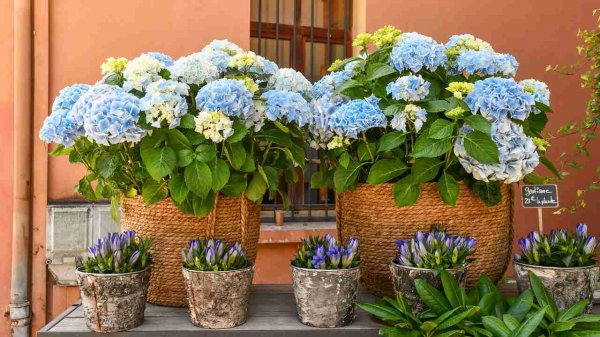
Container-grown hydrangeas face a unique challenge: their roots, confined above ground, are exposed to cold air that can damage or kill them. Unlike in-ground plants, where soil insulates the root system, potted shrubs are at risk when temperatures drop. The solution is to move them to a sheltered location—a garage, cold room, or covered porch—where they can remain dormant but protected. Placing pots against a house wall also helps, as the structure radiates heat. For those with access to a cold frame or hoop house, these structures provide ideal insulation without waking the plants from dormancy. As a last resort, burying the entire pot in the ground offers natural soil insulation.
Protecting New Transplants
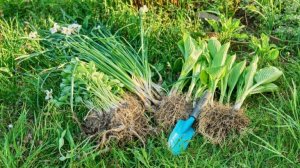
Newly planted hydrangeas need more attention than established shrubs. The best time to transplant is in the fall, at least a month before the first hard frost, giving roots time to settle. When planting, ensure the root flare—the point where the trunk meets the roots—is level with the soil line. This prevents roots from being exposed or growing too shallow. Light pruning of new transplants can help balance top growth with the smaller root ball, but avoid heavy pruning, which can stress the plant.
Insulating the Soil and Maintaining Moisture
A layer of mulch serves as a protective blanket for hydrangea roots. Organic materials like fall leaves, leaf mold, compost, and wood chips are excellent choices; they insulate the soil, protect beneficial organisms, and gradually decompose to feed the plant. In regions where snow arrives early, it acts as a natural insulator. Avoid synthetic mulches, which can impede air and water flow.
Even in winter, hydrangea roots remain active. Keeping the soil consistently moist—but not soggy—is crucial. Dry roots are more susceptible to frost damage. The same applies to potted plants: water them enough to keep the soil from drying out completely, but avoid overwatering. Moist soil holds heat better than dry soil, providing an extra layer of protection against freezing.
Timing Pruning and Fertilizing
Pruning hydrangeas in winter is generally discouraged, as it can remove next year's flower buds and leave wounds that invite frost damage. The timing depends on the blooming type. Old wood bloomers should be pruned after they flower in summer, while new wood bloomers can be pruned in late winter or early spring before new growth begins. Fertilizing should also wait until spring, when the plant shows signs of new leaves or buds.
Using Frost Cloth and Burlap
For frost-tender varieties, covering the shrub with frost cloth is a simple and effective method. Drape the cloth over the plant at dusk and weigh down the edges to keep it in place. It can remain through the winter, but remove it on sunny days to allow the ground to warm. Old bedsheets work just as well.
Burlap offers heavier insulation. Wrap the shrub loosely, leaving space between the burlap and stems, and fill that space with dry leaves or straw. This method is particularly useful in very cold zones or for hydrangeas grown outside their recommended hardiness range. However, burlap blocks more light, so it should be removed on warm days in late winter to avoid shading the plant as it awakens.
Building a Protective Cage
For the ultimate protection, a cage filled with leaves or straw can be built around the shrub. Stake posts around the plant, wrap with wire netting, and fill the enclosure with dry leaves or straw, covering the shrub completely. This method is ideal for areas with recurring hard frosts.
After winter storms, inspect hydrangeas for debris that may weigh down branches. Remove any accumulated leaves, branches, or ice to prevent breakage. Climbing hydrangeas, which may be harder to reach, are vigorous growers and will recover on their own.
By taking these steps, gardeners can help their hydrangeas not only survive the winter but emerge ready to flourish in the spring.