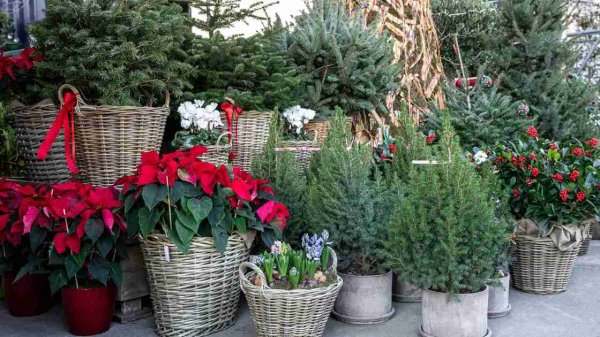
Gardeners seeking enduring structure and color on patios and balconies often turn to evergreen container plants, which anchor arrangements with year-round presence. These plants, ranging from compact shrubs to small trees, offer a reliable framework that supports seasonal blooms and provides visual interest even in the depths of winter. According to horticultural experts, choosing the right evergreen for a pot involves considering light, hardiness, and the plant's ultimate size, ensuring a long-lasting and low-maintenance display.
Evergreens serve as the backbone of container gardens, offering a quiet consistency that unifies diverse plantings. Their foliage comes in a spectrum of hues—from deep olive and fresh green to silvery blue and variegated cream—and their forms vary from upright and pyramidal to low and mounding. This diversity allows gardeners to create tailored compositions, whether they prefer a formal topiary look or a more relaxed, naturalistic arrangement. With a sufficiently large container, even small trees can thrive, and many can be transplanted into the landscape once they outgrow their pots.
Selecting for Structure and Color
Among the most versatile choices is the boxwood, particularly the ‘Green Mountain’ cultivar. This hybrid, known for its vigorous growth and fresh green foliage that holds color through winter, naturally forms a pyramidal shape. It can be pruned for a more formal appearance or left to grow naturally. Boxwoods have a long history, dating back to ancient Egypt and Rome, and have been a staple in historic gardens since arriving in North America in the 1600s. For a mounding alternative, ‘Green Velvet’ offers a similar appeal.
For a cooler palette, the ‘Carolina Sapphire’ cypress stands out with its bright, silvery blue needles and graceful, soft-textured branches. This Arizona cypress variety is low-maintenance, tolerating hot, dry spells once established, and requires minimal pruning. It grows into a vigorous tree, so it needs a large container and eventual transplanting to the garden. Similarly, the ‘Blue Point’ juniper offers a columnar shape with blue needles and produces waxy blue berries in winter, making it a dramatic focal point. Junipers, like arborvitae, respond well to shaping and can be trained into topiary forms.
Compact Choices for Small Spaces
Gardeners with limited space can choose from several dwarf cultivars that stay small and manageable. The inkberry holly ‘Gem Box®’ is a North American native with dense, fine leaves and red tips in spring, forming a neat ball without pruning. Its relative, the Japanese holly ‘Soft Touch,’ offers a soft, non-spiky texture and a mounding habit, and it takes shearing well. Both hollies are drought-tolerant once established and provide food for pollinators and wildlife.
The loropetalum ‘Purple Daydream®’ is another compact option, with deep purple foliage and rose new growth. It belongs to the witchhazel family and produces strappy, fringe blooms in spring. For a touch of gold, the dwarf threadleaf cypress ‘Filifera Nana’ and its relatives like ‘Sungold’ and ‘Golden Mop’ provide feathery, mounding forms in bright gold and green. These slow growers are well-suited to containers, reaching their mature height over a decade.
Flowering Evergreens for Seasonal Highlights
Several evergreens also offer the bonus of blooms. The camellia ‘Yuletide’ is prized for its bright red flowers that open during the holiday season, contrasting with glossy, dark leaves. It thrives in partial shade and is well-suited to the American South, where it attracts bees and other pollinators. The winter daphne ‘Aureomarginata’ is another fragrant option, with mint green leaves edged in creamy yellow and deep purple-pink blossoms that appear in late winter. It is hardy to about 10°F and can be overwintered in containers in sheltered spots.
The gardenia ‘Jubilation™’ is renowned for its sweet fragrance and white blossoms that fade to creamy yellow. It is more cold-hardy than some other gardenias and can be grown in containers in colder climates if brought indoors for winter. For a unique texture, the mahonia ‘Soft Caress’ offers ferny, airy foliage and bright yellow bloom spikes in winter, followed by dark berries. This shade-loving plant adds a tropical elegance to any arrangement.
Finally, the olive tree ‘Little Ollie®’ brings a Mediterranean flair, with slender, silvery-green leaves and a shrubbier habit that suits topiary training. It is hardy only in zones 8-11 and must be brought indoors in colder regions. This dwarf variety is seedless, so it won't spread invasively, a concern with some olives in arid parts of California.
When planting evergreens in containers, experts recommend using a high-quality potting mix and ensuring good drainage. Container plants dry out faster than those in the ground, so regular watering is essential, especially during hot spells. With proper care, these evergreen fixtures will enrich patios and balconies for years, providing a constant backdrop for seasonal changes.