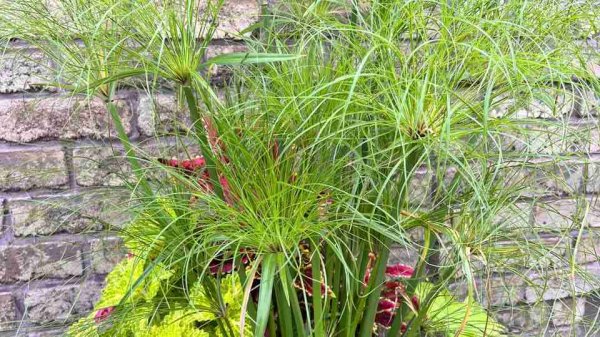
Gardeners seeking a striking, low-maintenance addition to wet or boggy areas often turn to Cyperus papyrus 'King Tut', a dwarf variety of the ancient papyrus plant. Known for its tall, triangular stems topped with umbrella-like clusters of foliage, this ornamental sedge brings a tropical flair to ponds, container gardens, and borders. While it thrives in warm climates, it can be grown as an annual or overwintered indoors in cooler regions, making it accessible to a wide range of gardeners.
Botanically, 'King Tut' is not a true grass but a sedge, part of the Cyperaceae family. It was developed by Proven Winners for their Graceful Grasses series, and it is trademarked, which means propagation is prohibited. The plant typically reaches heights of four to six feet, with some cultivars staying more compact. Its native range spans Africa and the Mediterranean, where it grows along streambanks and in shallow water.
The historical significance of papyrus is profound. Nearly 5,000 years ago, ancient Egyptians used it to create paper, as well as for medicine, boatbuilding, and clothing. The plant also held mythological importance, featuring in the story of Isis and Horus, where papyrus thickets provided protection. Today, most papyrus species are sold as ornamentals, but their heritage remains a point of fascination for many gardeners.
Planting and Growing Conditions
Cyperus papyrus 'King Tut' is adaptable to full sun or partial shade, but it demands consistent moisture. It thrives in boggy conditions and is ideal for planting at the edge of ponds, provided the crown remains above water. In containers, it can even be grown without drainage holes, making it a candidate for repurposed vessels. The soil should be fertile and rich in organic matter, with compost or manure added to mimic its native habitat.
When planting, space individual specimens three to four feet apart, as they spread quickly. If the roots are potbound, tease them out and score the sides to encourage growth. The plant is a vigorous grower and may need division or a larger pot as it matures. It is considered invasive in some regions, including California, Florida, Louisiana, and Hawaii, so gardeners there should avoid planting it in the ground.
Water, Light, and Temperature Needs
Watering is the most critical aspect of care. The more sun the plant receives, the more water it requires. In partial shade, it is more forgiving of occasional dryness. For those growing it in full sun, keeping the soil consistently moist is essential to prevent leaf burn. This plant is so thirsty that it can be grown in pots without drainage, which is a boon for gardeners who struggle with overwatering other species.
Temperature-wise, 'King Tut' is only perennial in USDA zones 10-11, where temperatures rarely drop below 40°F (4°C). In cooler climates, it can be overwintered indoors in a bright, sunny spot. Gardeners with in-ground plants can dig up the rhizomes and store them indoors until spring. Placing the plant on a tray of pebbles and water can help increase humidity during the winter months.
Maintenance and Common Issues
This sedge is relatively low-maintenance. It is not a heavy feeder, but an occasional dose of balanced or nitrogen-rich organic fertilizer, such as fish emulsion, can keep it healthy. In aquatic settings, a specialized aquatic plant fertilizer is recommended. As the culms age, they turn brown and should be cut down to the rhizome to encourage new growth.
Pests are not a major concern, though fungus gnats may appear in wet soil; these can be treated with hydrogen peroxide or neem oil. Rust fungus is the most common disease, but it can be prevented by keeping leaves dry and removing affected culms. Yellowing culms may indicate a lack of water or nutrients, so adjusting care accordingly is advised.
For those interested in similar plants, Proven Winners also offers 'Prince Tut', a more compact variety reaching two to three feet, and 'Queen Tut', which tops out at two feet and is hardy to zone 9. Another option is Cyperus alternifolius 'Baby Tut', known as umbrella grass, which grows to two feet and has the added benefit of filtering pollutants like copper and manganese from the soil.
In summary, Cyperus papyrus 'King Tut' is a versatile and visually striking plant that suits a range of garden settings, from rain gardens to container displays. Its ease of care, combined with its historical resonance, makes it a rewarding choice for both novice and experienced gardeners.