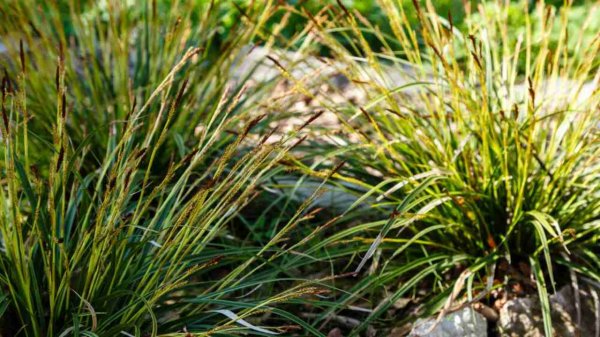
For gardeners seeking a resilient, low-maintenance alternative to ornamental grasses, sedges offer a diverse and adaptable solution. With nearly 2,000 species worldwide, these versatile plants thrive in conditions that often challenge other garden favorites, particularly in shaded or consistently moist areas. From drought-tolerant ground covers to moisture-loving bog plants, the following selection highlights 21 sedge varieties that bring texture, color, and ecological value to a range of garden settings.
Sedges are not true grasses but belong to the family Cyperaceae, and their grass-like appearance makes them a popular choice for borders, walkways, and container plantings. Unlike many ornamental grasses that demand full sun, sedges are naturally suited to partial or even full shade, making them indispensable for those tricky, low-light corners of the landscape. Their ability to stabilize soil and prevent erosion further enhances their utility, while their non-aggressive growth habits allow them to coexist harmoniously with neighboring plants.
Ground Covers and Grass Alternatives
Pennsylvania sedge (Carex pensylvanica) is a standout for gardeners looking to replace traditional turf in shaded areas. This low-growing, spreading species forms a dense, attractive mat that requires minimal upkeep. Surprisingly drought-tolerant for a sedge, it adapts to a wide range of soil and moisture conditions, though it does not withstand heavy foot traffic. Its white spring flowers attract pollinators, making it a valuable addition to a pollinator-friendly garden.
Spreading sedge (Carex laxiculmis) is another excellent ground cover option, particularly for areas where grass struggles due to lack of sunlight. Despite its name, this species spreads slowly, forming colonies over time without becoming invasive. It stays under a foot tall, even without mowing, and prefers partial to full shade with consistently moist soil. Native to the central and southeastern United States, it makes an ideal border or walkway plant.
Moisture-Loving and Bog Garden Favorites
For gardens with consistently wet or boggy soil, several sedge species are particularly well-suited. Shallow sedge (Carex lurida) thrives in moist conditions and can grow up to three feet tall, producing spiky, bottle-brush-shaped flowers in spring. Its seed heads turn brown when ripe and provide a valuable food source for local birds. This vigorous grower is perfect for pond edges or rain gardens.
Fringed sedge (Carex crinita) is another moisture-loving option, reaching up to three feet tall with striking, weeping seed heads that resemble fringe. It grows well in full sun to partial shade and can even tolerate standing water, making it a robust choice for wetland gardens. Similarly, tussock sedge (Carex stricta) forms large, fountain-like clumps of narrow blue-green leaves, reaching up to three feet. It is not picky about soil and thrives along riverbanks or pond margins, provided it receives ample moisture.
Drought-Tolerant and Unique Varieties
While many sedges prefer moist conditions, some species are notably drought-tolerant. Sand-bracted sedge (Carex adusta) is a resilient choice for dry, sandy soils, growing two to three feet tall with thin, dark green leaves. It does most of its growing in the cooler months of spring and fall, and its tall flower stems bear short, spiky clusters. Blue sedge (Carex flacca) is another adaptable species, tolerating both drought and boggy conditions. Its blue-green, strap-like leaves add a cool, airy feel to the garden, and it spreads more slowly when kept dry.
For those seeking ornamental flair, orange New Zealand sedge (Carex testacea) offers vivid fall color, transitioning from olive green to shades of brown, tan, and bright rust orange. This species prefers moist, well-drained soil and full to partial sun, making it a striking addition to cottage gardens or container arrangements. Leatherleaf sedge (Carex buchananii), also from New Zealand, features fine bronze leaves that retain their color year-round, providing a bold contrast in mixed plantings.
Japanese sedge (Carex morrowii) is prized for its variegated green and white striped leaves, making it one of the most ornamental species. It grows best in partial to full shade with moist, well-drained soil, and its flowers, while not showy, are popular with pollinators. Another eye-catching variety is Bowles’ golden sedge (Carex elata 'Aurea'), which produces bright chartreuse foliage in spring, intensifying in full sun. This moisture-loving plant is ideal for pond edges and retains its color year-round in milder climates.
Frosted curls (Carex comans) is a whimsical variety with fine, gray-green leaves that curl downward, adding texture and movement to the garden. It is drought-tolerant once established but prefers moist soil, and its evergreen foliage fades to silvery white with age. This sedge is particularly effective in breezy spots, where the wind creates beautiful swirling patterns.
For native plant enthusiasts, California field sedge (Carex praegracilis) is a sturdy choice for West Coast gardens, tolerating foot traffic, poor soil, and high salinity. It grows to about one foot tall and can be mowed to keep it shorter. Foothill sedge (Carex tumulicola) is another West Coast native, valued for erosion control and mass plantings, though it requires partial to full shade and consistent moisture.
Other notable species include weeping brown sedge (Carex flagellifera), a New Zealand native with arching brown leaves that soften landscapes, and palm sedge (Carex muskingumensis), whose tall stems resemble small palms and turn copper in fall. Appalachian sedge (Carex appalachica) is a graceful, weeping species native to the eastern United States, where it is endangered in the wild; it prefers partial to full shade and moderate moisture. Plantain leaf sedge (Carex plantaginea) offers a bolder look with broad, flat leaves and showy purple-tipped flowers in spring. Bristly sedge (Carex comosa) is a versatile North American native that thrives in marshes and swamps, producing large, bottle-brush-shaped seed heads. Finally, tussock sedge (Carex stricta) and shallow sedge (Carex lurida) round out the list with their robust growth and wildlife value.
In summary, sedges are a remarkably versatile group of plants that can solve many landscaping challenges. Whether you need a shade-tolerant ground cover, a moisture-loving accent for a water garden, or a drought-resistant border, there is a sedge species suited to your needs. Their low-maintenance nature, ecological benefits, and diverse appearances make them a valuable addition to any garden.