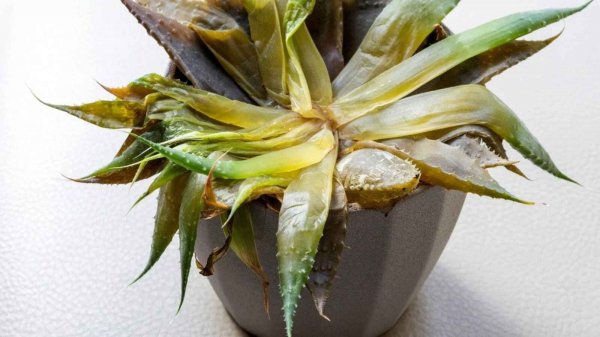
When an aloe vera plant begins to turn brown and take on a soft, mushy texture, it is sending a clear distress signal. While this hardy succulent is often nicknamed the “Plant of Immortality” for its resilience, it has limits. Understanding the most common triggers—from watering habits to environmental shifts—can help gardeners intervene before the damage becomes permanent.
Aloe vera has been cultivated for centuries across the globe, prized for its fleshy leaves and soothing gel. But even this desert native can succumb to improper care. The symptoms—browning leaves, soggy textures, and collapsing stems—are rarely random. They point to specific problems in the plant’s environment or maintenance routine.
Watering: The Most Common Culprit
Overwatering is the leading cause of decline in aloe vera and other succulents. Many well-meaning owners water on a fixed schedule, such as every Friday, without checking the soil’s actual moisture. The surface may look dry, but deeper layers can remain wet, leaving roots sitting in excess moisture. This leads to root rot, which manifests as slimy, darkened leaves. Aloe prefers to dry out completely between waterings; when in doubt, wait a few extra days.
Underwatering, while less frequent, is also a risk. Aloe stores water in its leaves, allowing it to survive long dry spells, but indoor plants should never reach that point. Symptoms of thirst include pale yellow or tan leaves, brown spots, and crispy leaf edges. A month without water is often too long for a potted aloe.
Environmental Stress: Light and Temperature
Sudden changes in environment can shock an aloe, much like a person plunging into icy water. Moving a plant from indoors to full summer sun without acclimation can cause sunburn, turning leaves brown, red, or gray. Proper acclimation takes 7 to 10 days, gradually increasing sun exposure every 2 to 3 days, starting in shade and ending in bright, filtered light.
Conversely, too little light leads to weak, spindly growth and pale yellow leaves. Aloe needs at least six hours of sunlight daily, ideally from east- or west-facing windows where intensity is moderate. South-facing windows require filtering to prevent scorching.
Cold is another stressor. Aloe vera struggles when temperatures drop below 50°F (10°C). Indoor plants near drafty windows, between curtains and glass, or beside air conditioning vents can suffer tissue damage. Frost damage appears as soft, translucent leaves, similar to frozen lettuce. If caught early, the plant may recover, as roots often remain intact.
Disease, Drainage, and Fertilizer
Fungal and bacterial infections also cause browning and mushiness. Aloe rust, anthracnose, and basal stem rot are common fungal issues, while bacterial soft rot leads to watery, collapsing leaves. These diseases thrive in cool, humid conditions—opposite of what aloe prefers. Ensuring warm temperatures and low humidity helps prevent outbreaks.
Poor drainage compounds many problems. A well-draining mix is essential, ideally one-third organic matter and two-thirds inorganic material like pumice, sand, or perlite. This structure creates air pockets that keep roots healthy. Without it, soil compacts and water pools, inviting rot.
Fertilizer is rarely needed for aloe. Desert soils are nutrient-poor, and a quality cactus mix provides enough nutrition. Over-fertilizing can burn roots and leaves due to salt buildup, a lesson many gardeners learn the hard way. If fertilizing is unavoidable, water the soil first and apply at half strength.
Finally, transplant shock can trigger discoloration after repotting. To minimize stress, disturb roots gently, use sanitized tools, and choose a pot only one size larger. Water thoroughly and return the plant to its original spot.
Diagnosing the cause of browning requires attention to patterns—where the discoloration occurs and how care habits align. Often, a process of elimination reveals the issue. Addressing these common pitfalls not only helps the aloe recover but also strengthens care practices for the entire plant collection.