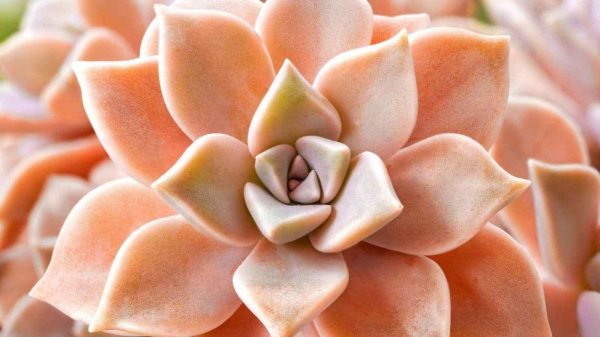
Ghost plants (Graptopetalum paraguayense) are popular succulents known for their rosy pink hue and yellow flowers, but even these hardy plants can encounter problems. From sap-sucking insects like aphids and mealybugs to care mistakes such as overwatering and insufficient light, several issues can affect their health. Fortunately, most of these problems have straightforward solutions that can restore the plant's vigor and appearance.
Common Pests and How to Handle Them
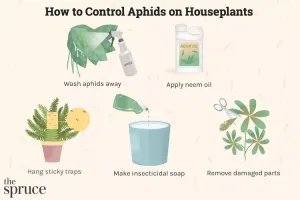
Aphids are a frequent spring and summer nuisance, targeting the soft, new growth of ghost plants. These soft-bodied insects come in various colors, including pink, green, yellow, black, and brown, and some may have wings. They feed by piercing plant tissue and sucking sap, and they reproduce rapidly—some females are born pregnant, leading to explosive population growth. A simple dish soap solution can smother aphids: mix one or two drops of liquid dish soap (not dishwasher detergent) into a 32-ounce spray bottle of water, spray the plant until dripping, and repeat weekly until they are gone. Alternatively, moving the plant outdoors to a shady spot can attract natural predators like ladybugs.
Mealybugs are another common pest, appearing as white, cottony clusters at the nodes of the plant. They also suck sap and can reproduce without males under certain conditions. Signs of infestation include sticky leaves or a black powdery substance, which is actually their sugary excrement. Control methods are similar to those for aphids, including dish soap sprays and introducing predatory insects.
Spider mites, though less common, can be detected by the fine webbing they leave between leaves and stems. These arachnids cause leaf discoloration and drop, and if left unchecked, they can eventually kill the plant by preventing photosynthesis. A dish soap solution or rubbing alcohol applied to the leaves can be effective, but avoid using both simultaneously. Increasing humidity around the plant—via a small humidifier, a pebble tray, or a light mist—can also help, as spider mites thrive in warm, dry conditions.
Light and Watering Issues
Ghost plants stretch and elongate their stems when light is insufficient, a process called etiolation. While this can be desirable for a trailing effect in hanging baskets, it may not suit a single specimen. Moving the plant to a brighter location gradually can prevent scorching. Light also affects leaf color: high light (6+ hours) produces reddish-yellow leaves, while lower light yields a bluish-gray tint. Sudden moves to intense light can cause straw-colored patches or leaf scorch, so acclimate the plant over 7–10 days.
Overwatering is the leading cause of death for succulents, leading to root rot and plant collapse. Symptoms include overly soft, oozing leaves or blackened stems. If caught early, you can save the plant by removing damaged roots, washing the pot, using fresh potting soil, and watering sparingly. Underwatering, on the other hand, results in thin, wrinkly, leathery leaves. A thorough watering—ideally twice, a few hours apart—can rehydrate the plant, with visible improvement within 24–48 hours.
Why Flowering Is Irregular
Ghost plants typically bloom after reaching three years of age, producing white to yellow star-shaped flowers. Flowering is influenced by factors such as temperature differences between day and night, pot size, and root-bound stress. Patience is key, as these conditions are not always within the gardener's control.
Overall, ghost plants are forgiving and versatile, making them an excellent choice for beginners. By addressing pests and cultural practices promptly, you can keep your succulent healthy and thriving.