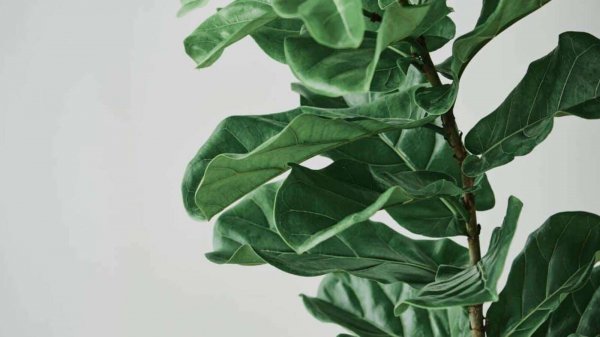
If your Fiddle Leaf Fig has started to tilt, it's a clear signal that something is off in its environment. The most frequent culprit is inadequate light, which causes the plant to stretch toward the nearest window, resulting in a lopsided appearance. However, other factors like watering habits, nutrient availability, and pot size can also contribute. Fortunately, this is a solvable problem that typically responds well to a few adjustments.
Fiddle Leaf Figs, scientifically known as Ficus lyrata, are native to the tropical rainforests of West Africa, where they can tower over 40 feet. Indoors, they are cherished for their large, fiddle-shaped leaves and dramatic presence. Yet they are notoriously sensitive, dropping leaves at the first sign of stress. A leaning stem is one of the more common issues, but it's rarely a sign of imminent death.
Light: The Primary Cause of Leaning
In their natural habitat, these trees receive bright, dappled sunlight. As houseplants, they are typically grown in shaded greenhouses, so they adapt to indoor conditions. However, they still need a full day of bright, indirect sunlight to thrive. If placed in a low-light corner, the plant will begin to reach for the nearest light source, causing branches to elongate and leaves to face the window. This uneven growth leads to a noticeable lean.
To correct this, move the plant to a brighter location, ideally near an east-facing window. If the change in light is drastic, acclimate the plant gradually over a week to prevent leaf burn. Rotate the pot weekly to encourage even growth, and position the side that is leaning away from the light source to help it straighten.
Other Contributing Factors
While light is the most common reason, other issues can also cause a Fiddle Leaf Fig to lean. Overwatering, for instance, can soften the stems, making them unable to support the weight of the leaves. If you suspect overwatering, allow the top two inches of soil to dry out before watering again, and ensure the pot has proper drainage. In severe cases, repotting may be necessary to trim any rotten roots.
A lack of nutrients can also weaken the plant's structure. Applying a balanced slow-release fertilizer and repotting every few years can help maintain healthy growth. Additionally, if the plant becomes too tall and top-heavy for its pot, it may lean or even topple over. As a rule of thumb, keep the plant's height to no more than double the pot's height, and prune back any excessive growth.
For plants that are already leaning, staking can provide immediate support. Install a stake next to the main stem and tie it loosely with flexible fabric to allow for natural movement. Pruning is another option, especially for larger plants. Cut just above a node to encourage upright new growth, but avoid removing more than a quarter of the plant to prevent shock.
In summary, a leaning Fiddle Leaf Fig is a manageable issue. By addressing the underlying cause—whether it's light, water, nutrients, or pot size—you can help your plant regain its upright posture and continue to thrive. Regular care and observation are key to preventing future problems.