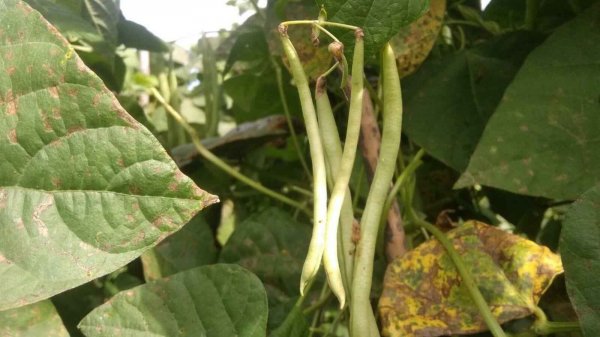
When green bean plants start showing yellow leaves, it's a clear signal that something is off in their growing environment. While the symptom is uniform, the underlying causes vary widely, from simple watering mistakes to more serious infections. Identifying the root of the problem is the first step toward restoring your plants to health and ensuring a productive harvest.
Green beans are a favorite among home gardeners, but their relatively straightforward growth can be disrupted by several factors. Yellowing leaves often indicate that the plant is stressed, which can reduce its yield if not addressed promptly. The challenge lies in the fact that multiple issues can produce the same visual cue, so a careful assessment of growing conditions is necessary.
Watering and Sunlight: The Balancing Act
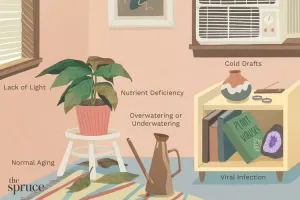
One of the most frequent culprits is improper watering. Both over-watering and under-watering can lead to yellow leaves, though the mechanisms differ. Under-watering prevents the plant from absorbing essential nutrients, while over-watering suffocates the roots, also impeding nutrient uptake. To determine which is the issue, gardeners can check soil moisture by inserting a finger a few inches into the ground. If the soil is dry, it's time to water; if it's moist, hold off for a few days. Green beans generally need about two inches of water per week, and allowing the soil to dry slightly between waterings is advisable.
Sunlight is another critical factor. Green beans are warm-season plants that thrive with six to eight hours of direct sun daily. Insufficient light hampers photosynthesis, causing leaves to yellow, while excessive sun can burn the plant. Lower leaves turning yellow first is a common sign of inadequate light. Using row covers can help protect plants from too much sun, and ensuring they are placed in a spot with the right light exposure is key.
Temperature and Soil Conditions
Temperature extremes also take a toll. Green beans prefer temperatures between 70 and 80 degrees Fahrenheit. Cold conditions can yellow established leaves and stunt growth, while heat above 90 degrees Fahrenheit can be equally damaging. For gardeners in cooler climates, a greenhouse can provide the necessary warmth, though sun protection is still needed to prevent burning.
Soil quality is equally important. Green beans do best in well-draining, sandy or silty loam soils, and they prefer a neutral to slightly alkaline pH between 5.5 and 7.5. Poor drainage can lead to root rot and moisture stress. Testing soil pH and amending it with lime to raise alkalinity or sulfur to lower it can help. Adding organic mulch helps maintain soil temperature and moisture, and incorporating compost or fertilizer enriches the soil with nutrients.
Nutrient Deficiencies and Root Health
A lack of essential nutrients often manifests as yellow leaves with green veins, with the top leaves affected first. While green beans produce their own nitrogen, they still require balanced fertilization. Using too little fertilizer, especially in poor soil, can lead to deficiencies. However, over-fertilizing can burn the plant, so following package instructions is crucial. Soil test kits can identify specific nutrient gaps, allowing gardeners to choose the right fertilizer.
Root damage, particularly in container-grown plants, is another cause. When roots become compacted due to a pot that's too small, they cannot deliver water and nutrients effectively, leading to yellowing leaves. Replanting into a larger container or into the ground, and pruning roots, can help. Checking root color is a good diagnostic: healthy roots are pale and whitish-yellow, while darker roots with a foul odor indicate rot, in which case the plant may need to be discarded.
Infections and Acclimation
Bacterial and viral infections are more serious causes. Bacterial blights, such as common blight and halo blight, produce yellow-ringed spots and lesions. These spread through moisture, so it's best to avoid working with wet plants and to control weeds and pests. Infected plants should be removed to prevent spread.
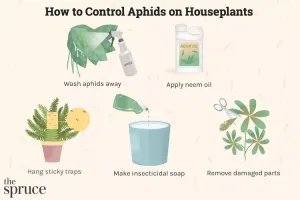
Viral diseases, like bean common mosaic virus (BCMV) and bean yellow mosaic virus (BYMV), are spread by aphids. Symptoms include mosaic patterns, leaf curling, and stunted growth. These viruses are often managed by using disease-resistant seed varieties and controlling aphid populations with insecticidal soap or neem oil.
Finally, acclimation can be a temporary issue. Newly purchased plants may yellow when introduced to a new environment, but they typically recover within a few days. Also, remember that green beans are annuals, so yellowing at the end of the season is natural.
Diagnosing the specific cause of yellowing requires a bit of investigation, but the solutions are often straightforward. By addressing watering, sunlight, temperature, soil, and potential infections, gardeners can help their green bean plants return to a healthy green and continue producing a bountiful crop.