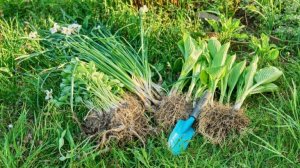
Autumn is the season when many gardeners turn their attention to planting perennials, and hostas are among the most rewarding choices for shaded spots. With the National Gardening Bureau declaring 2024 the Year of the Hosta, these leafy perennials are gaining renewed attention for their versatility and low-maintenance appeal. Planting in October gives hostas time to develop roots before the ground freezes, ensuring a vigorous start in spring.
Hostas are prized for their diverse foliage—ranging from cool blues to bright golds—and their ability to thrive where other plants struggle. Their summer flower spikes attract pollinators like hummingbirds and bees, adding ecological value to the garden. Whether you're a beginner or a seasoned collector, hostas are easy to grow and can be divided to share with friends or expand your own beds.
Notable Varieties for October Planting
Among the many cultivars, several stand out for their unique characteristics. 'Above the Clouds', a Shadowland® Collection introduction from Walters Gardens in Michigan, features large, cupped blue leaves and pale lavender blooms in midsummer. Its spread of up to five feet makes it a commanding presence in any border.
'Abiqua Drinking Gourd', an Oregon-bred variety, is known for its twisted, blue-green leaves that form deep cups capable of holding rainwater. This RHS Award of Garden Merit winner and American Hosta Growers Association Hosta of the Year also offers good slug resistance, a common concern for hosta growers.
For small spaces, 'Curly Fries' provides a compact, chartreuse option with wavy, narrow leaves. It performs best with morning sun to enhance its golden hue, and pairs well with blue hostas and purple-toned shade plants like heuchera and epimedium.
'Rainbow's End' brings bold variegation with creamy gold streaks against rich green, maturing to ivory. Its late-summer deep purple blooms on red scapes add pollinator appeal. 'Blue Mouse Ears' is a miniature favorite, forming tidy clumps of blue, rounded leaves just six inches tall, ideal for rock gardens or containers.
Gold-leaved varieties like 'Dancing Queen' offer a striking contrast to blues. Its large, ruffled leaves can reach over a foot long, with pale lavender blooms on tall scapes. 'Fire and Ice' features creamy white leaves with dark green margins, a reverse sport of 'Patriot', and benefits from dappled light due to its low chlorophyll content.
At the other end of the spectrum, 'Empress Wu' is a giant, growing four to five feet tall with a spread of six to eight feet. Its waxy blue leaves mature to glossy green, and it was named Hosta of the Year in 2023. 'Stained Glass', a sport of 'Guacamole', offers large, chartreuse leaves with darker green margins and shows better sun tolerance than many others.
'Blueberry Muffin' provides a calming blue presence with puckered, corrugated leaves that mature to green. Its light purple flowers are complemented by rosy speckles on the petioles. 'Minuteman', a sport of 'Francee', is a fast-growing variety with dark green leaves and wide, milky white margins, making it a top choice for pots and shaded beds.
Why Fall Planting Works
Fall planting allows hostas to establish roots in cooler soil, reducing transplant shock and promoting strong growth the following season. The varieties listed here are among the most reliable for October planting, offering a range of sizes, colors, and textures to suit any shade garden. With proper placement and minimal care, these perennials will provide years of beauty and pollinator support.