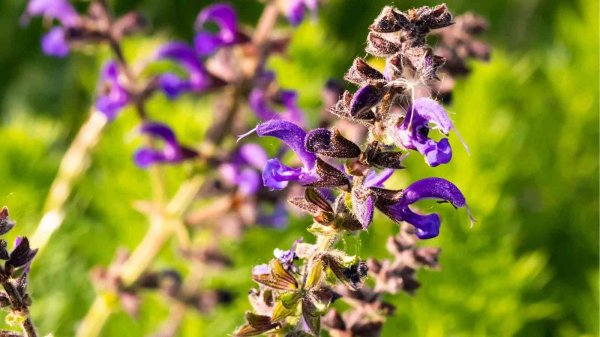
Salvia, a flowering perennial that anchors many wildflower gardens, is generally a low-fuss plant, but it is not immune to trouble. Gardeners may notice a range of issues, from leaves turning yellow or wilting to stems that flop or fail to bloom. Identifying the root cause is the first step to restoring plant health.
Known for its ability to thrive in hot, dry conditions and poor soil, salvia also resists deer and rabbits, making it a favorite for low-maintenance landscapes. Yet even this sturdy plant can be affected by environmental stress, fungal diseases, or insects. The following guide addresses the most frequent salvia problems and offers practical solutions.
Why Salvia Stops Flowering
If salvia is not blooming, the most common culprit is insufficient sunlight. The plant needs at least six to eight hours of full sun daily to produce its characteristic flowers from late spring through fall. Deadheading spent blooms can also encourage new growth and extend the flowering period. Young plants, especially those recently transplanted, may simply need more time to mature before they start blooming.
Fungal Issues: Powdery Mildew and Mold
White, powdery spots on leaves are a classic sign of powdery mildew, a fungus that thrives in humid conditions and during rainy spells. It appears as a grayish coating on the tops of leaves and can spread to other parts of the plant. Downy mildew, a related fungus, shows similar symptoms but on the undersides of leaves. Both are triggered by excess moisture. To manage these, allow foliage to dry between waterings, water at the base of the plant, and apply a fungicide if the infection is widespread.
Gray or white mold, often caused by Botrytis fungus, can also develop in damp, poorly ventilated areas. It typically appears on lower stems and older leaves. Remove affected parts immediately and let the soil dry out before watering again. A fungicide may be needed if the mold persists.
Watering Woes: Wilting, Yellowing, and Rot
Wilting leaves can be a sign of heat stress, but overwatering can produce the same symptom, making diagnosis tricky. Salvia generally needs water only once a day, preferably in the morning, and in many climates even less. Underwatering can also cause wilting, but salvia is more drought-tolerant than many plants. Check the soil to determine the cause.
Yellow leaves often point to watering issues as well. Overwatering typically turns lower leaves yellow first, while underwatering causes the whole plant to wilt and yellow. Feel the soil: if it is soggy, hold off on watering; if it is dry several inches down, give the plant a deep soak. For in-ground salvia with poor drainage, amend the soil with compost to improve aeration.
Excessive moisture can also lead to stem rot, causing stems to turn brown and mushy. Conversely, severe drought can make stems and leaves crispy and brown. In both cases, adjust watering habits and remove damaged foliage.
Leggy and Floppy Growth
Leggy stems, characterized by long, thin growth, usually result from insufficient sunlight or inconsistent watering. Moving the plant to a sunnier location can help, though it may take a couple of weeks to adjust. Floppy stems, on the other hand, are often due to too much rain or waterlogged soil. Allow the soil to dry out and consider staking the plant for support.
Winter Survival and Transplant Shock
Salvia is perennial in zones 4-10, but winter survival depends on the variety, planting time, and location. Spring planting gives roots time to establish before winter. Fall planting is possible but requires consistent watering. Plants that are not hardened off properly may suffer transplant shock, which can affect their ability to withstand cold. Brown leaf tips can also indicate transplant shock or sun scorch if the plant is moved to full sun too quickly.
Pest Problems: Aphids, Beetles, and Caterpillars
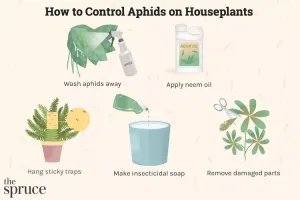
While salvia is not highly susceptible to pests, aphids, Japanese beetles, and caterpillars can cause damage. Aphids, tiny green or white insects, gather on the undersides of leaves and feed on foliage. They can often be sprayed off with a strong hose blast; for heavier infestations, insecticidal soap or neem oil applied early in the morning is effective. Japanese beetles, active in mid-summer, chew ragged holes in leaves and should be removed by hand. Caterpillars, which appear in late summer, can defoliate the plant if left unchecked; hand-picking is usually sufficient.
By recognizing these common issues and their remedies, gardeners can keep their salvia healthy and vibrant throughout the growing season.