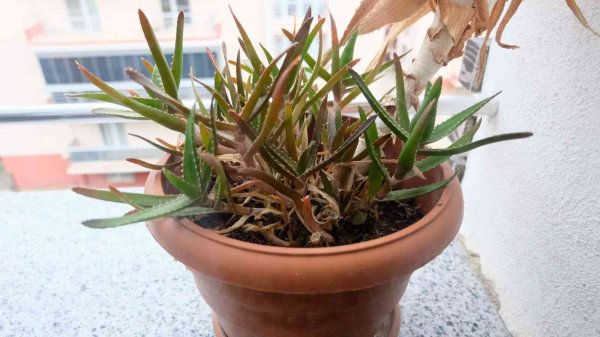
Aloe vera, a staple in many American homes, is prized for its low-maintenance nature and soothing gel. Yet even this hardy succulent can succumb to well-intentioned but misguided care. The most frequent errors—overwatering, insufficient light, and improper potting—are easily avoidable with a bit of knowledge.
Native to desert regions, aloe thrives when left mostly alone. It requires bright, indirect sunlight, infrequent watering, and a well-draining container. Once these conditions are met, it becomes a nearly self-sufficient plant. However, as the so-called "plant of immortality" can quickly face mortality if basic rules are broken.
Watering: The Most Common Pitfall
Overwatering is the leading cause of death for cacti and succulents, and aloe is no exception. Signs include swollen, waterlogged leaves that may burst, stem collapse, yellowing, and a musty soil smell. If you suspect overwatering, check the roots: healthy roots are plump and white, while rotted ones are brown or black and mushy.
Underwatering is less common but equally harmful. Wrinkled, grayish leaves and shriveled roots indicate dehydration, which halts photosynthesis and leaves the plant vulnerable to pests. To water correctly, always check soil moisture first—stick a finger deep into the pot or use a moisture meter. If in doubt, delay watering; aloe recovers more easily from dryness than from soggy roots.
Use tepid water, not hot or cold, to avoid shocking the plant. Water thoroughly from the top until it drains out the bottom, or use the bottom-watering method, ensuring the topsoil gets wet. Avoid wetting the leaves to prevent rot.
Light and Temperature: Balancing Sun Exposure
Aloe needs bright, indirect light. Too little light causes leggy, drooping growth; too much direct sun leads to sunburn, with leaves turning yellow, red, or brown and developing dry tips. A south- or west-facing window is ideal, but keep the plant off the windowsill to avoid harsh rays.
If moving aloe outdoors for summer, acclimate it gradually over 7-10 days, increasing sun exposure every 2-3 days. Even then, provide afternoon shade to prevent scorching.
Temperature-wise, aloe prefers 50-80°F (10-27°C). Below 50°F, leaves may yellow or spot; below 40°F is fatal. Avoid placing it near drafty windows, exterior doors, or heating vents, which can cause temperature stress.
Container and Soil: Foundation for Health
A pot without drainage holes is a death sentence for aloe. Without drainage, excess water accumulates, depriving roots of oxygen and inviting root rot. Choose a container one size larger than the current one—too large a pot leaves excess wet soil, while too small restricts growth. If using a large pot, plant multiple aloes or compatible companions to help absorb moisture.
Use a well-draining potting mix formulated for cacti and succulents. These mixes typically contain about one-third organic materials (like peat moss or compost) for moisture retention and nutrients, and two-thirds inorganic materials (like perlite, sand, or pumice) for drainage and aeration. You can also make your own mix with these components from a garden center.
Fertilizing is rarely necessary; aloe prefers nutrient-poor soil. If you do fertilize, use a diluted solution during the active growing season (fall to spring), avoid concentrated fertilizers that can burn roots, and skip foliar sprays, as succulent leaves may not absorb them and can be damaged by salt residue.
In summary, aloe vera is an easy houseplant if you respect its desert origins. By avoiding overwatering, providing proper light and temperature, and using the right pot and soil, you can enjoy a healthy, thriving plant for years.