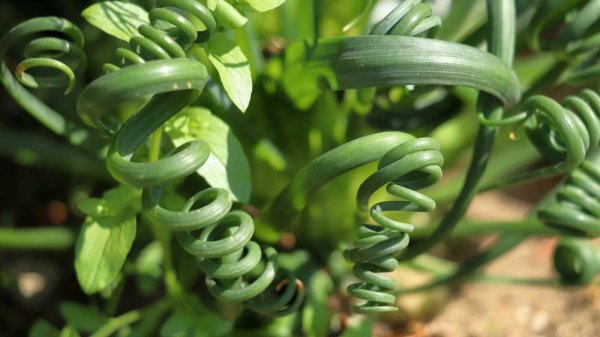
The Frizzle Sizzle (Albuca Spiralis) is a sought-after succulent for indoor gardeners, but its distinctive corkscrew foliage can quickly turn brown or collapse when conditions aren't right. While many owners assume the plant is beyond saving, most problems stem from a handful of easily corrected mistakes—often related to watering, light, or temperature. Understanding these common pitfalls can help you keep your plant thriving.
Before troubleshooting, it's important to recognize that the plant's natural life cycle can mimic decline. After blooming in spring or summer, the tips of the leaves naturally brown as the plant directs energy to flower production. This is not a sign of death, but a normal phase. If your plant has been watered correctly, this browning is likely just part of its seasonal rhythm.
Watering: The Most Common Culprit
Overwatering is a frequent mistake among Frizzle Sizzle owners. When the soil stays soaked, roots can rot, leading to yellowing leaves and a collapsing base. To avoid this, water thoroughly until excess drains from the bottom, and never leave standing water in the tray. Dark green leaves often signal too much water, while light yellow leaves indicate the opposite.
Underwatering is equally problematic. These plants require evenly moist soil, not the dry conditions typical of many succulents. Check moisture by inserting a finger about half an inch into the soil; if it feels dry, water, but if damp, wait a day. Consistency is key—this plant thrives when its water needs are met regularly.
Root Rot and Temperature Stress
Root rot is a direct consequence of overwatering and can be identified by yellow leaves, mold on the soil surface, and a weak base. If you suspect root rot, de-pot the plant and inspect the roots. Brown, mushy roots confirm the issue, while healthy roots are yellow and firm. If the roots are healthy, look elsewhere for the problem.
Temperature extremes also take a toll. Native to humid regions of South Africa, Cameroon, and Nigeria, the Frizzle Sizzle prefers temperatures between 40 and 80 degrees Fahrenheit. Prolonged heat above 80°F can cause wilting, while frost or cold below 40°F is fatal. Keep the plant away from direct heat sources and bring it indoors during winter. Humidity above 40 percent is also beneficial.
Light and Flowering
Lighting is another critical factor. These plants need indirect sunlight, preferably morning sun, for about 4 to 6 hours per day. Too much direct sun can burn the leaves, causing browning and death. While they can adapt to more light over time, it's best to start with the recommended amount, especially for young plants.
Flowering is a natural process that can alarm owners. When the plant blooms, the leaf tips brown and the corkscrew shape straightens. This is not a sign of death but a normal cycle. If you prefer the curled appearance, trim the flower stalks before they fully develop. Otherwise, let the plant bloom and expect new coils to appear next season.
Frequently Asked Questions
If your plant isn't curling, it may be overwatered, lacking sunlight, or recovering from flowering. Trimming back the non-curled areas and adjusting care can encourage new growth. Brown leaves are often due to flowering, root rot, or underwatering—none of which are necessarily fatal. Drooping usually signals underwatering; these succulents need more water than typical varieties. Fertilize only once a year in early spring with an all-purpose fertilizer, following label instructions to avoid over-fertilizing, which can also cause browning.
In most cases, a dying Frizzle Sizzle is a fixable problem. By addressing watering, light, temperature, and seasonal changes, you can help your plant recover and continue its unique growth.