Indoor gardeners who spot clusters of tiny, pear-shaped insects on new growth may be facing an aphid infestation. These sap-sucking pests, belonging to the family Aphididae, can multiply rapidly indoors, where the absence of winter allows females to produce nymphs year-round. With over 5,000 species worldwide, aphids can appear in shades of green, pink, white, gray, or black, and winged forms can emerge to colonize other plants.
Aphids damage houseplants by piercing soft stems and new foliage to feed on sap, leading to crinkled or stunted leaves. In severe cases, plants may drop leaves, and the honeydew secreted by aphids can foster sooty mold. While outdoor colonies are often tended by ants attracted to the honeydew, indoor infestations spread through crawling or flying.
The most effective strategy is prevention: healthy, vigorous plants are less susceptible to attack than weak, under-potted, or stressed ones. However, if aphids do appear, several low-cost methods can eliminate them, with most requiring only basic household items.
Manual and Water-Based Removal
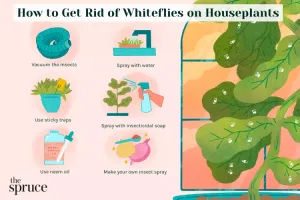
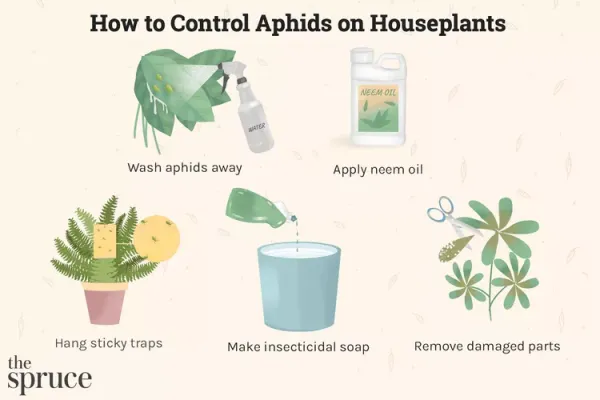
For light infestations, simply wiping aphids off with fingers or a cotton swab is effective. Alternatively, a strong stream of water can dislodge the pests; for delicate foliage, submerging the plant upside down in a bucket of room-temperature water works well. This approach is immediate and avoids chemicals.
Soaps, Oils, and Homemade Sprays
Insecticidal soaps, available commercially or made from a mild dish detergent like Ivory Liquid, can be sprayed on plants, especially the undersides of leaves. A weak concentration, starting at 1 teaspoon per gallon of water, is recommended. Neem oil, derived from the neem tree, is an organic option that affects insects' feeding and acts as a repellent; it is considered safe for vegetables and ornamentals, according to the Environmental Protection Agency.
For a DIY spray, a blend of 1 garlic bulb, 1 small onion, and 1 teaspoon of cayenne pepper processed into a paste, steeped in 1 quart of water for an hour, then strained and mixed with a tablespoon of liquid dish soap, can be stored in the refrigerator for up to a week. This recipe, from Organic Gardening magazine, is a natural alternative.
Other Control Options
Rubbing alcohol applied with a swab kills aphids on contact, though it is time-consuming for larger infestations. Heavily infested plant sections can be pruned and discarded outdoors. Sticky traps, available at garden centers, can capture winged aphids and other flying insects. As a last resort for prized plants, chemical sprays containing pyrethrins, imidacloprid, or pyrethroids can be used; pyrethrin-based products are lower in toxicity.
Ultimately, regular inspection and prompt action are key to keeping indoor plants aphid-free. By combining preventive care with these targeted methods, gardeners can protect their houseplants without resorting to harsh chemicals.