When summer heat arrives, lettuce plants often send up a flower stalk, a process known as bolting. This natural response to stress causes leaves to turn bitter and tough, making them less appealing for salads. Gardeners can take several practical steps to delay bolting and extend their harvest, according to horticultural experts.
Bolting is a normal part of the plant's life cycle, triggered by environmental cues. For lettuce, the primary trigger is warm weather, especially when daytime temperatures exceed 75°F and nighttime lows stay above 60°F. Even young seedlings exposed to cool temperatures between 40°F and 50°F for several days can begin forming flower buds early, though the stalk may not appear until later. Dry soil can also push plants to seed prematurely.
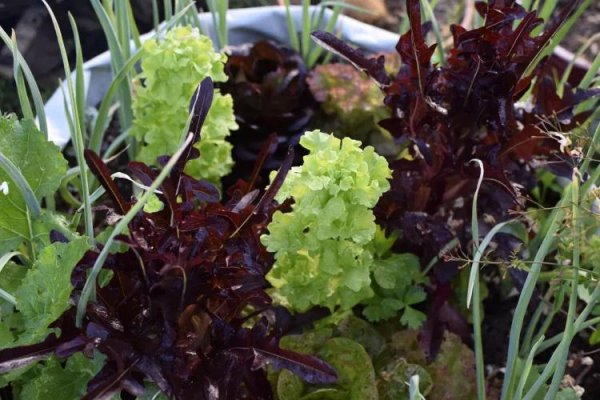
The good news is that gardeners can take proactive measures to keep lettuce productive longer. One of the simplest steps is selecting the right varieties. Seed packets often indicate bolt resistance, with names like 'Slobolt' and 'Summer Bibb' hinting at their tolerance. In general, crisphead and romaine types are slower to bolt than looseleaf varieties.
Shade and Water: Key Allies
Planting lettuce in a spot that receives afternoon shade, such as under taller crops, can help keep soil cool. For container gardeners, moving pots to a shadier location during the hottest part of the day works well. Regular watering is essential, as lettuce has shallow roots and needs consistent moisture. Keeping the soil moist at least an inch deep, and checking twice a week, helps maintain succulent leaves.
For summer sowings, a clever trick involves pre-cooling the soil. Water the area thoroughly with cold water, then cover it with a wide board for a couple of days. This lowers the soil temperature, which can be verified with a soil thermometer. After sowing seeds, replace the board until sprouts appear, then remove it to allow growth.
Shade cloth is another effective tool. Designed to let in rain and sunlight while blocking harsh UV rays, it can protect young seedlings and leafy greens. The cloth must be supported above the plants to allow room for growth.
Mulch and Timing
Adding about three inches of mulch around plants helps retain soil moisture and suppresses weeds. This is especially beneficial after heavy rain, as it regulates water levels. Planting at the right time is also crucial. Early spring and fall are ideal for lettuce, as cooler temperatures reduce bolting risk. Harvesting outer leaves regularly can extend the season, though it doesn't stop the bolting process itself.
If flower buds do appear, pinching them out can delay bolting slightly, giving you a bit more time to harvest. However, once the plant has fully bolted, it will not regrow. The leaves can still be eaten, but they are better suited for cooked dishes where bitterness is acceptable. Soaking bolted leaves in cold water for up to ten minutes can help restore some sweetness.
Understanding these triggers and using a combination of strategies can help gardeners enjoy fresh lettuce for a longer period, even as temperatures climb.