Japanese maple trees, prized for their delicate foliage and vibrant autumn color, can sometimes develop unsightly brown leaves—a condition known as leaf scorch. This issue can affect trees at any age, from young saplings to mature specimens, and is often a sign of environmental stress rather than a fatal disease. Understanding the causes and implementing preventive measures can help keep these ornamental trees healthy and vibrant.
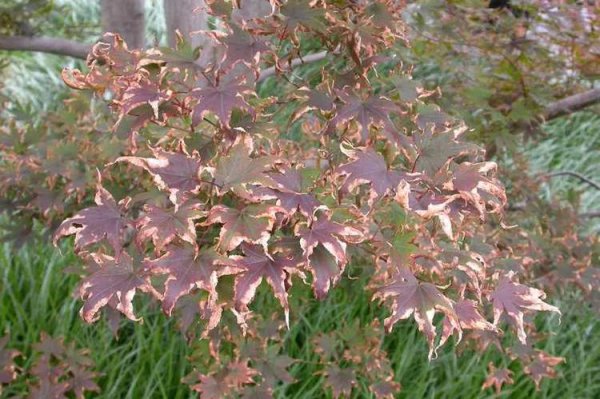
Leaf scorch typically manifests as browning or greying along the leaf margins, with leaves appearing dry and brittle. In some cases, yellowing or darkening may occur between the main veins. The severity can vary: mild cases may only affect a few leaves on upper branches, while severe cases can cause widespread browning, leaf drop, and even premature dormancy.
Primary Triggers of Leaf Scorch
Excessive sun exposure is the most common culprit. In their native habitat, Japanese maples often grow as understory trees, sheltered by taller canopy trees from intense afternoon sun and strong winds. When planted in full, direct sunlight, the leaves can quickly dry out and scorch. If your tree consistently shows scorch symptoms, consider relocating it to a spot with dappled shade or planting a taller companion tree to provide natural protection.
Inadequate watering also exacerbates the problem. Japanese maples prefer consistently moist, well-drained soil. Deep, infrequent watering is more beneficial than frequent shallow irrigation, as it encourages deeper root growth and helps the tree withstand dry spells. Checking soil moisture between waterings can help avoid both drought stress and overwatering, which can lead to root issues.
Chemical damage from fertilizers or pesticides is another potential cause. Over-fertilizing, especially during hot summer months, can burn leaf edges and pull moisture from root tissues, leading to wilting and yellowing. The recommended time for fertilizing is late winter or early spring, using a slow-release formula. Pesticides should be applied sparingly, only when necessary, and during cool, dry conditions below 85°F to minimize leaf damage.
Environmental Stress and Winter Injury
Harsh winter conditions can also harm Japanese maples. Root damage from freezing temperatures, salt from snow plows, and drying winter winds can all contribute to leaf scorch the following season. To protect your tree, choose a planting site sheltered from high winds, and apply a layer of mulch around the base to insulate the roots and retain soil moisture.
Prevention and Recovery
Leaf scorch is not necessarily a death sentence. It is the tree's natural defense mechanism, and many trees will produce a second set of leaves from secondary buds. However, resist the urge to fertilize a stressed tree, as this can worsen the condition. If scorch persists despite corrective measures, consider planting sun-tolerant cultivars such as 'Crimson Queen' or 'Bloodgood', which are known to withstand more sun exposure.
By understanding the factors that contribute to leaf scorch and taking proactive steps, gardeners can help their Japanese maples thrive and maintain their ornamental appeal.