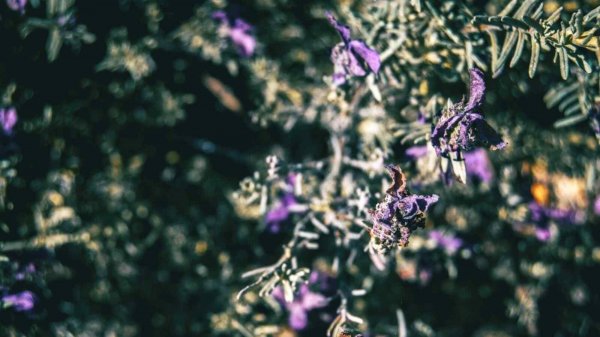
When lavender plants begin to droop or wilt, it is often a signal that something in their environment is off balance. While many gardeners assume wilting means thirst, lavender—a Mediterranean native—usually reacts to excess moisture rather than a lack of it. The condition can stem from several factors, including poor soil drainage, overwatering, transplant shock, nutrient imbalances, or even fungal infections. Identifying the underlying cause is the first step toward restoring the plant's characteristic upright, fragrant form.
Lavender thrives in dry, well-drained soils with a gritty texture, such as sandy or gravelly mixes. Its roots are adapted to breathe in loose substrates and quickly suffer when water accumulates around them. Soggy conditions can lead to root suffocation, nutrient deficiencies, and eventually root rot—a fungal disease that can be fatal. In regions with heavy clay or compacted earth, drainage becomes a critical concern, as water tends to pool rather than filter through the root zone.
Watering: The Delicate Balance
Overwatering is the most frequent mistake among novice gardeners. A sudden flush of water—whether from irrigation or a heavy rain—can be beneficial after a dry spell, but continuous moisture or standing water around the roots causes the plant to look heavy and limp. Conversely, underwatering is less common because lavender tolerates drought well. To avoid overwatering, allow the soil to dry out thoroughly between waterings. A simple finger test—inserting a finger about six inches into the soil—can indicate whether moisture is still present. If the soil feels dry, watering is safe; if not, wait. In most climates, lavender needs supplemental water only during the hottest, driest days of summer.
Transplant Shock and Container Size
Wilting shortly after planting or moving lavender is often due to transplant shock. This temporary stress occurs as the plant adjusts to a new location, and it usually resolves on its own. Factors like rough handling, compacted soil, or extreme weather can worsen the response. To minimize shock, handle young plants gently, avoid disturbing roots, and water consistently for the first month. For mature plants with root-bound pots, loosening the roots before replanting helps them adapt. Amending the soil with perlite, pea gravel, or horticultural sand improves drainage, and maintaining a slightly alkaline pH (7.0–7.5) supports recovery.
Container size also plays a role. Lavender develops extensive root systems, and a pot that is too small restricts growth, leading to drooping. When roots hit the container walls, they may circle and become bound, reducing water uptake. Small pots also dry out quickly and fail to insulate roots from temperature swings. Transplanting to a container at least two to three times the size of the root ball—or a minimum of 16 inches in diameter—can resolve the issue. For compact spaces, dwarf varieties bred for small containers are a better choice.
Nutrient and Heat Stress
Unlike many garden crops, lavender thrives with little to no fertilizer. Excessive nitrogen, especially synthetic quick-release forms, prompts lush leaf growth at the expense of stem strength, causing weak, wilted appearance. Lower leaves often show the first signs, followed by overall droopiness and reduced flowering. If fertilizer has been over-applied, transplanting to a less fertile area or replacing soil with gravel or sand may help. Watering can also flush excess nutrients over time, and pruning redirects energy to root development.
Heat stress is another trigger, particularly during sudden heat waves when temperatures exceed 90°F. Though lavender loves full sun, extreme heat can cause temporary wilting. This usually subsides as the plant acclimates. Avoid watering in the midday heat; instead, wait for cooler evening hours and check soil moisture first. In hot climates, heat-tolerant varieties like 'Phenomenal' hybrid lavender or Spanish lavender (Lavandula stoechas) are more resilient.
Fungal Diseases: Root Rot and Shab
Root rot, the most common lavender disease, often accompanies overwatering. Symptoms include yellowing or browning leaves, mushy or foul-smelling roots, and water pooling on the soil surface. The disease thrives in cold, wet winters, particularly in the Northeast and Northwest. Once established, root rot is difficult to reverse; some gardeners successfully prune away affected roots and relocate the plant to better-drained ground, but severe cases may require disposal to prevent spread. Prevention is key: prepare soil with sand, gravel, or perlite, and loosen the earth to a depth of 1–2 feet before planting.
Another fungal threat is shab, caused by the pathogen Phomopsis lavendulae. It attacks young shoots in early spring, causing them to wilt, brown, or develop black spots. There is no cure for shab; infected plants should be dug up and burned to avoid contamination. Planting disease-free stock and choosing resistant varieties, such as 'Dwarf French', can reduce risk.
In essence, most wilting issues trace back to water and soil conditions. Lavender's preference for dry, well-drained, low-nutrient environments means that overcare—especially overwatering and overfertilizing—often does more harm than good. Providing at least six to eight hours of direct sunlight, ensuring excellent drainage, watering sparingly, and giving roots ample space are the cornerstones of healthy lavender. By addressing these factors, gardeners can help their plants regain their upright, aromatic glory.