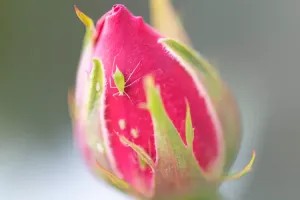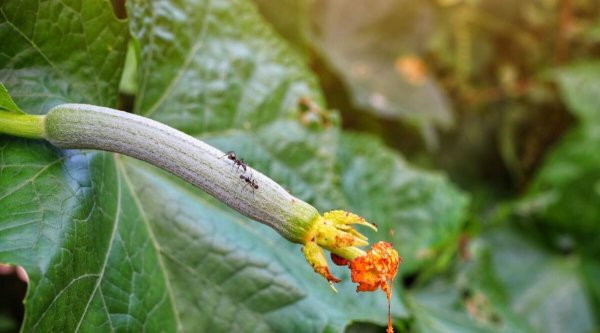
Gardeners who spot ants swarming their zucchini plants may worry about damage, but the insects are usually a secondary clue. Ants are drawn to the sweet, sticky honeydew excreted by aphids, and they often "farm" these pests, protecting them from predators. The real concern is the aphids themselves, which can weaken plants and transmit a serious virus.
Aphids are tiny, soft-bodied insects that come in shades of green, white, gray, yellow, or even red and brown. They cluster on the undersides of leaves, where they pierce plant tissue and suck out water. This feeding can cause leaves to curl, yellow, and stunt, though a light infestation may not harm a healthy zucchini plant.
Why Ants Appear and What They Signal
Ants are not typically eating zucchini foliage or fruit. Instead, they are attracted to the honeydew that aphids secrete. By following ants, gardeners can locate aphid colonies hidden in leaf crevices. The presence of ants is often the first visible sign of an aphid problem, but other indicators include a sticky film on leaves, white or gray residue when fresh, and black sooty mold when the honeydew is older.
Aphids thrive in warm conditions, so in temperate regions they may persist for much of the growing season. They can also colonize weeds and wild plants near the garden, making them a constant challenge. Additionally, aphids tend to target the weakest plants, which have fewer natural defenses.
The Virus Risk and How to Minimize It
The most serious threat from aphids is their ability to spread Cucumber Mosaic Virus (CMV). This disease affects cucurbits and many other plants, including nightshades, legumes, and some woody species. Symptoms include yellow-green mottled foliage, mosaic patterns on leaves and fruit, and stunted growth. CMV can also be transmitted through gardening tools or hands, so once present, careful hygiene is essential to prevent spread.
Preventing aphid infestations is the most effective way to reduce the risk of CMV. Choosing resistant seed varieties, inspecting transplants before planting, and ensuring good airflow through proper spacing and pruning all help. Avoid over-fertilizing, as excess nitrogen attracts aphids.
Practical Control Methods
Integrated Pest Management (IPM) emphasizes starting with cultural and physical controls before turning to chemicals. Spraying aphids off plants with a strong jet of water is a simple and effective physical method. This may need to be repeated regularly during warm weather. Improving soil health with compost and organic mulches strengthens plants and makes them less susceptible.
Biological control involves releasing beneficial insects like ladybugs, whose larvae are voracious aphid eaters. While adult ladybugs consume fewer aphids, they will lay eggs and produce a new generation of larvae, so patience is needed. For ant control, a band of diatomaceous earth at the base of plants can discourage climbing, but it must be reapplied after rain. A homemade bait of equal parts peanut butter, honey, and Borax can reduce ant numbers, though it should be kept away from children and pets.
Chemical options are a last resort. Insecticidal soaps or horticultural oils can be effective, but they may harm beneficial insects. Always follow label directions and consider whether the damage level justifies intervention.
Keeping Zucchini Healthy
Healthy zucchini plants are more resilient to pests. They prefer hot, humid weather, fertile soil, and consistent moisture. Mulching helps suppress weeds and reduces soil splatter on fruit. Proper spacing is crucial, as mature plants can spread four feet or more; compact varieties are available for smaller spaces.
Harvesting regularly, when fruits are under 12 inches and skin is shiny, encourages continued production. Overgrown zucchini become spongy and less flavorful, but they can still be used for baking. Varieties like 'Costata Romanesco' offer unique flavor and texture, while yellow crookneck squashes are sweeter and more tender.
In most cases, a minor aphid presence is tolerable and won't ruin the harvest. By focusing on prevention, soil health, and encouraging beneficial insects, gardeners can keep ant and aphid problems manageable without drastic measures.