Dahlias, with their vivid blooms and lush foliage, are a magnet for a range of garden pests. From sap-sucking insects to four-legged foragers, these plants can fall victim to damage that threatens their beauty and health. Recognizing the signs early and applying the right control measures can keep your dahlia bed thriving throughout the season.
Among the most frequent offenders are snails and slugs, which leave telltale irregular holes in leaves and a silvery mucus trail. These mollusks thrive in moist, dark conditions, often feeding at night. To deter them, water at the base of plants to keep foliage dry, and clear away debris that offers hiding spots. For active infestations, beer traps, copper barriers, and hand-picking under the cover of darkness are effective, though care should be taken with stronger chemicals that may harm beneficial insects.
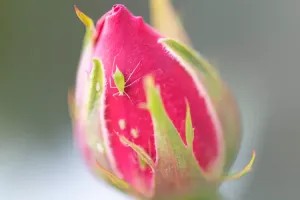
Aphids are another common nuisance, appearing as small, pear-shaped insects in green, brown, red, or black. They cluster on the undersides of leaves, causing yellowing and distortion, and excrete a sticky honeydew that attracts ants. A strong jet of water from a hose can dislodge them, and introducing natural predators like ladybugs and lacewings helps keep their numbers in check. Companion planting with garlic, chives, or catnip may also repel them.
Thrips, slender insects ranging from transparent to black, leave black puncture marks and a stippled yellow pattern on leaves. They can be managed with forceful hose sprays, neem oil, and the presence of predatory mites or parasitic wasps. Pruning infested foliage promptly is crucial. Reflective mulch can deter these flying pests, as can selecting pest-resistant dahlia cultivars.
Spider mites are tiny, fast-moving pests that create fine webs and cause leaves to become mottled and dry. They often start at the bottom of the plant, so removing lower leaves can slow their spread. Horticultural oils and soaps applied to the undersides of leaves are effective, but heavily infested plants should be removed to prevent further contamination. Keeping dahlias well-watered, especially during dry spells, reduces their vulnerability.
Leafhoppers, which resemble aphids but jump sideways, cause pale, stippled leaves that may curl or drop. While they pose a low threat to plant health, their feeding can be unsightly. Removing faded blooms and debris, and applying a narrow-range oil to leaf undersides, can reduce their numbers. Encouraging natural predators like spiders and lady beetles also helps.
Earwigs, recognizable by their forceps-like pincers, chew ragged holes in leaves and petals. They are not typically life-threatening but can be visually damaging. Managing their habitat by removing rocks, dense groundcover, and debris is key. Traps made from rolled newspaper or toilet paper rolls can lure them away, and chickens or toads are natural predators that can be allowed to roam the garden.
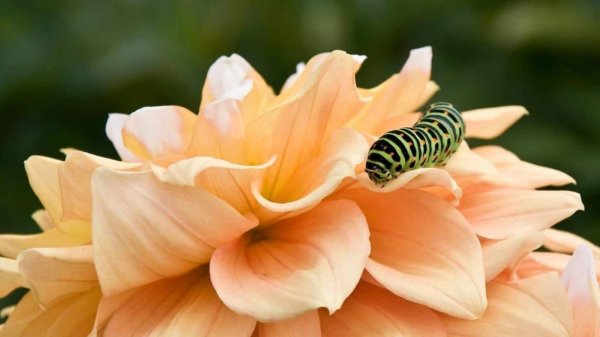
Caterpillars, in their larval stage, can quickly destroy seedlings, stems, and buds. Look for punched holes in leaves or rolled leaves held together by webs. Hand-picking and dropping them into soapy water is effective, as is using microbial insecticides and encouraging birds and parasitic wasps. Reflective mulch can disorient them, and keeping the area weed-free reduces hiding spots.
Larger pests like deer and rabbits also pose a threat. Deer, which feed on herbaceous plants for moisture and nutrients, leave shredded leaves and blooms at heights of 1 to 4 feet. Fencing at least 6 feet tall is the most reliable deterrent, though some gardeners resort to homemade repellents like human hair or strong-smelling items. Rabbits, on the other hand, leave clean 45-degree cuts on stems between 2 inches and 1 foot above ground. Removing clutter, sealing access to sheds, and installing mesh fencing buried at least 6 inches deep can keep them at bay.
Rodents such as voles and squirrels also cause damage. Voles gnaw on roots and stems, leaving small burrows in mulch; they are deterred by keeping vegetation sparse and burying wire fencing below ground level. Squirrels dig up roots and leave scattered plant parts, especially in fall. Eliminating bird feeders and water sources can encourage them to move on, and motion-activated lights or sprinklers may help.
While no garden can be completely pest-free, a balanced approach that combines vigilance, habitat management, and targeted controls can minimize damage. Regular monitoring, quick identification, and a willingness to try different methods will help keep your dahlias vibrant and healthy.