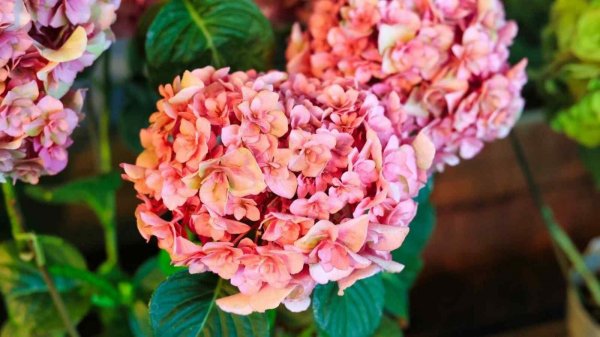
Gardeners who nurture hydrangeas for their showy blooms can be left puzzled when a season passes without a single flower. While the foliage is attractive, the real reward is the clusters of blue, pink, or white petals. Fortunately, most bloom failures trace back to a handful of identifiable causes, many of which are correctable with a few adjustments.
According to horticultural guidance, the leading culprit is often pruning at the wrong time. Hydrangeas fall into two categories: those that flower on new wood (current season's growth) and those that bloom on old wood (previous season's growth). Species like arborescens and paniculata bloom on new wood, while macrophylla, serrata, quercifolia, and anomala bloom on old wood. Pruning old-wood bloomers at the wrong time removes the buds that would have become flowers. The fix is simple: prune new-wood types in fall after flowering, and for old-wood types, prune minimally—only to contain size or remove winter-killed stems. Quercifolia can be pruned as late as April, while anomala should be pruned after flowering in late June by removing spent blooms.
Soil and Fertilizer: The Nitrogen Trap
Fertilizer choices can also suppress flowering. Overusing a balanced 10-10-10 fertilizer, or unintentional overlap with lawn fertilizer, can introduce excess nitrogen. While nitrogen encourages leafy growth, too much of it diverts energy away from flower production and may promote leggy stems that attract pests. The remedy is to switch to a fertilizer formulated for flowering shrubs, which contains higher phosphorus—essential for bloom development. Adding bone meal can also boost phosphorus levels in the soil.
Cold weather poses a significant threat, especially for old-wood bloomers like macrophylla. These plants form their flower buds in advance, and temperatures dropping below 5°F can kill them. Late spring frosts are equally damaging. Protective measures include wrapping plants in burlap for winter and covering them with breathable fabric when frost is forecast. Leaving spent blooms on the plant can also shield newly formed buds.
Light, Water, and Wildlife
Sunlight is a double-edged sword. Hydrangeas generally need partial shade—four to six hours of sun—but too much shade (less than four hours) or too much direct sun can stress the plant, leading to scorched leaves and reduced flowering. Paniculata tolerates more sun, but others prefer the four-to-six-hour range. If a plant is in a poor location, pruning overhead branches or transplanting in fall or spring can help.
Water stress is another factor. Hydrangeas are thirsty plants; insufficient water forces them into survival mode, prioritizing roots and leaves over flowers. Well-draining soil enriched with organic matter and a layer of mulch can help retain moisture.
Wildlife can also be culprits. Deer, especially in winter, may nibble on the buds of old-wood bloomers. Burlap wrapping or companion planting with deer-resistant species can deter them.
Finally, consider the plant's age and hardiness. Newly planted hydrangeas often skip a year of blooming while establishing roots. Also, check that the plant is suited to your USDA hardiness zone; if it's not cold-hardy enough, buds may die over winter. For gift hydrangeas, which are greenhouse-grown, reblooming is unlikely because they aren't hardy in most outdoor settings.
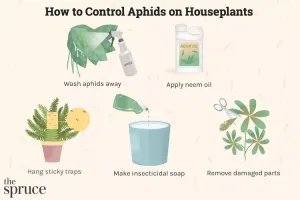
Pests like aphids and weeds add further stress. Weeds compete for water and nutrients, while aphids suck sap from stems and leaves, weakening the plant. Regular weeding and mulching can limit weeds, and aphids can be swept off by hand if populations are large.
In most cases, identifying the specific issue and applying the appropriate fix will restore blooms in the following season. Patience and careful observation are key to enjoying a vibrant hydrangea display.