Gardeners who step out one morning to find their prized zinnias reduced to tattered brown lace know the frustration of a sawfly larvae infestation. These small, caterpillar-like insects, often overlooked until damage is severe, can strip a plant of its foliage in a single night. While they rarely kill large, established plants, they can devastate smaller ones, leaving a trail of skeletonized leaves and discolored needles. Understanding their life cycle and habits is the first step in protecting your garden.
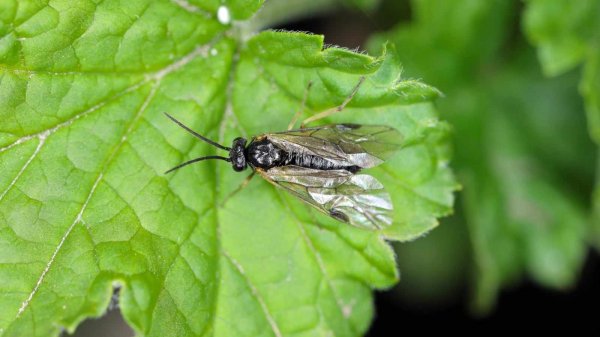
Sawflies are actually related to bees and wasps, though they lack the ability to sting. Their name comes from the saw-like shape of the female's ovipositor, which she uses to cut into leaves and deposit eggs. The larvae, which resemble caterpillars but are typically under one inch long, are the primary culprits of garden damage. They feed in groups, often on the undersides of leaves, and can quickly defoliate a plant. Some species, like the Elm sawfly, can grow up to two inches long. These insects spend most of their lives in the larval stage, with adults living only a few days. Many species are parthenogenetic, meaning females can reproduce without males, and they may lay anywhere from one to 100 eggs per leaf, depending on the species.
The damage caused by sawfly larvae varies by species. Some chew leaves down to the midrib, while others eat the tissue between veins, leaving a window-like appearance. Leaf miners create white winding tunnels, and pine sawflies prefer old needles. The severity of damage depends on the number of larvae and the size of the plant. A large plant may only suffer cosmetic harm, but a heavy infestation can kill a small one.
Identifying Sawfly Larvae and Their Damage
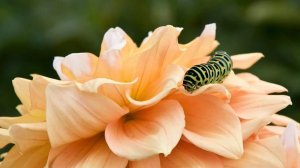
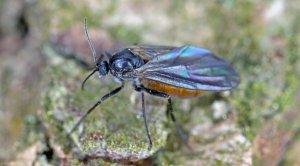
Adult sawflies are small, stingless wasps that are rarely noticed. Their larvae, however, are easy to spot. They look like tiny, smooth caterpillars with six pairs of prolegs (caterpillars have five or fewer), and they often feed in groups. When disturbed, they may rear up their front bodies as a defense. Look for them on the undersides of leaves, especially where you see skeletonized or chewed foliage. On conifers, early feeding causes needles to turn brown and straw-like.
Control Methods: From Simple to Advanced
Early intervention is key. For small infestations, hand removal is effective: pluck off affected leaves and squish the larvae, or drop them into soapy water. Pruning heavily infested branches from shrubs and trees can also help. A strong stream of water from a hose can knock larvae off plants, though this is not recommended for delicate specimens. Encouraging natural predators, such as ground beetles, lacewings, and ladybugs, provides long-term control. These beneficial insects are attracted to pollen and nectar-rich flowers, as well as mulch and leaf litter for shelter.
For a more targeted approach, diatomaceous earth (DE) can be dusted on the undersides of leaves. This powder, made from fossilized aquatic organisms, damages the insects' outer layer, causing them to dehydrate and die. It is safe for humans and animals, but avoid inhaling the dust, and note that it must stay dry to be effective. Kaolin clay, mixed with water and sprayed on plants, creates a barrier that deters feeding and egg-laying, though it needs reapplication after rain.
Horticultural oil, insecticidal soap, and neem oil are effective as a last resort. These products can harm beneficial insects, so use them sparingly and spray in the evening to minimize pollinator contact. Repeat applications every week to ten days until the pests are gone. Contact residual insecticides are also effective but are harmful to pollinators and other beneficial insects, and are not recommended.
Prevention Strategies for Long-Term Protection
Preventing an infestation is preferable to treating one. Regularly inspect your plants, especially in May and early June when larvae hatch. Encourage natural predators by planting a variety of flowering plants that provide nectar and pollen. Treating the soil with an insecticide like dinotefuron can prevent overwintering adults from emerging, but this also harms beneficial soil-dwelling insects. Improving soil health and choosing native plants can make your garden more resilient to pest damage. Planting trap crops, such as zinnias, which are particularly attractive to sawflies, can draw pests away from other plants. Using weed cloth can create a physical barrier against soil-dwelling adults. Ultimately, maintaining overall plant health through proper watering and fertilization is the best defense, as healthy plants can tolerate and recover from pest damage more effectively.