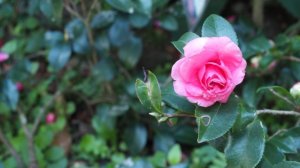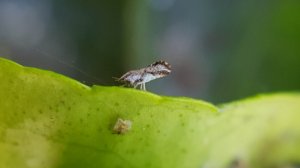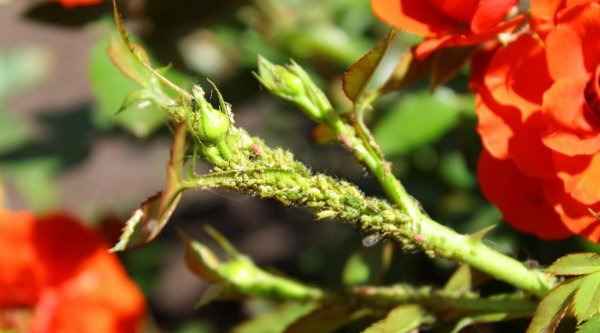
As spring temperatures rise, rose gardeners often notice clusters of small, soft-bodied insects congregating on the tender new shoots of their plants. These are aphids, a common pest worldwide, and while they are a sign of the season, they can weaken roses by sucking vital sap from the growth tips. Fortunately, there are several effective strategies to manage these pests without resorting to harsh chemicals.
Aphids are typically about a quarter-inch long and can be seen with the naked eye, often appearing in shades of light green, pink, or brown. The most common species on roses is the rose aphid, Macrosiphum rosae. These insects reproduce rapidly, with the first generation of the season capable of producing live young without mating, and later generations may develop wings to move to new plants when overcrowded. Their feeding can distort new growth, and they secrete a sticky substance known as honeydew, which can lead to the growth of sooty mold—a gray fungus that, while unsightly, washes off easily.
Seven Ways to Tackle Aphids
One of the simplest and most immediate methods is to use a strong jet of water from a garden hose. Aphids are slow-moving and, once knocked off the plant, often cannot find their way back. This method is inexpensive and harmless to pollinators, provided they are not sprayed directly. However, it requires thorough coverage of the undersides of leaves and may need to be repeated.
Another approach is to encourage natural predators. Ladybugs, lacewings, hoverflies, and parasitic wasps are among the beneficial insects that feed on aphids. In many cases, an aphid population boom in early spring is naturally controlled within two weeks if left unsprayed. Planting a variety of flowers such as yarrow, penstemon, nepeta, and sweet alyssum can attract these helpful insects and create a balanced ecosystem in the garden.
Companion planting can also be used to repel or confuse aphids. Plants with strong odors, such as chives, feverfew, and hardy geraniums, can deter aphids, while marigolds and basil can mask the scent of roses, making it harder for aphids to locate their preferred host. These plants are often easy to grow and establish quickly.
Using trap plants is another long-term strategy. Certain plants, such as nasturtiums, astrantia, calendula, and dill, are highly attractive to aphids and can lure them away from roses. This method allows gardeners to focus their control efforts on the trap plants, which can be hosed off or removed if necessary.
For those who prefer a hands-on approach, manual removal is effective, especially early in the season. Wearing gloves, gardeners can squish aphids along the stems and leaves, providing instant gratification and reducing the population before it explodes. This method is low-tech and requires no special tools, though it may not be practical for large infestations.
Horticultural oils, such as neem oil, are another option. These oils suffocate aphids and disrupt their life cycle. However, they can also harm beneficial insects and may damage plants if applied in hot, sunny conditions. It is recommended to spray in the evening and avoid temperatures above 85 degrees Fahrenheit.
Insecticidal soaps, available at garden centers, work by penetrating and dehydrating aphids. While effective, they also kill beneficial insects and pollinators, and repeated applications may be necessary. Homemade dish soap solutions are not recommended, as they can strip the protective coating from leaves, making them susceptible to disease.
Avoid Broad-Spectrum Insecticides
Experts advise against using broad-spectrum insecticides on roses. While these chemicals may provide quick results, they eliminate natural predators, leading to a resurgence of aphids and potentially causing secondary outbreaks of other pests like spider mites. Over time, this can create a cycle of repeated pest problems and harm birds and other wildlife that feed on insects.
Ultimately, aphids are a manageable nuisance. With a combination of patience and natural control methods, gardeners can protect their roses while maintaining a healthy garden ecosystem. Early detection and intervention are key, and working with nature rather than against it will yield the best long-term results.