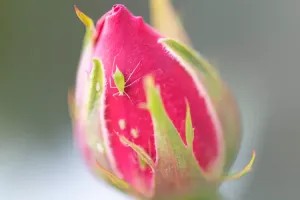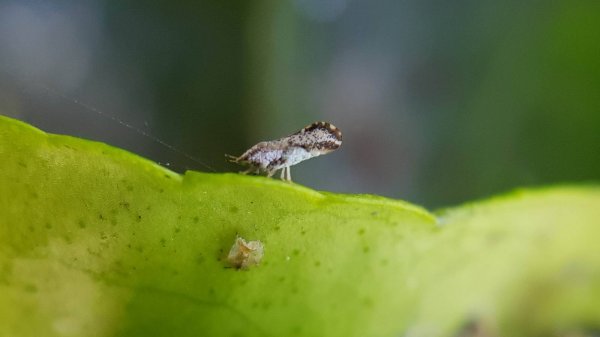
The Asian citrus psyllid (Diaphorina citri), a tiny insect no larger than a few millimeters, has become one of the most significant threats to citrus production across North America. First detected in Florida in the late 1990s, this invasive pest has since spread to warm regions throughout the southern United States, Hawaii, Guam, and the Virgin Islands. Its rapid expansion is particularly concerning because it transmits Huanglongbing (HLB), also known as citrus greening disease, which is fatal to citrus trees and has no cure.
The psyllid feeds on the sap of citrus plants and related species, including grapefruit, lemon, lime, orange, and pomelo. While the direct damage from feeding can stunt growth, the real danger lies in its role as a vector for HLB. Infected trees develop yellowing leaves and produce stunted, misshapen fruit before dying within a few years. The economic impact on commercial growers has been devastating, making the psyllid a top priority for agricultural agencies.
Identifying the Pest and Its Lifecycle
Adult psyllids are about three to four millimeters long and resemble miniature cicadas, with mottled brown bodies and wings. They often appear dusty due to waxy secretions and leave similar droppings on plants. Nymphs are yellow or orange with red eyes and grow through five developmental stages, or instars. Eggs are almond-shaped, roughly 0.3 millimeters long, and change from pale yellow to orange as they mature.
The lifecycle is rapid: each female can lay between 500 and 800 eggs on new citrus shoots, and nymphs mature in as little as 15 days under favorable conditions. This allows multiple generations per year—up to nine or ten in warm climates—with slowed development during winter or dry spells. Adults congregate on the undersides of leaves, while nymphs are found on new growth, where they feed and produce a distinctive waxy, curly tube with a bulb at the end.
Control Strategies for Home Growers
Because HLB has no cure, management focuses on reducing psyllid populations and preventing spread. Home gardeners are urged to inspect new growth regularly, using a magnifying glass to spot small nymphs and adults. Local agricultural commissioner offices provide hotlines and maps of known infections; reporting suspected cases is critical.
For organic control, horticultural oils, insecticidal soaps, and pyrethrins can be effective if applied directly to the pests. Sprays should be repeated every 7 to 10 days during active growth, and applied outside pollinator activity hours to minimize harm. Chemical options include imidacloprid, applied as a soil drench or foliar spray, though professional application is often recommended for best results. Kaolin clay and diatomaceous earth are deterrents that must be reapplied after rain.
Biological and Environmental Approaches
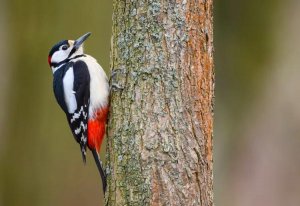
Encouraging natural predators—such as lacewing larvae, lady beetles, spiders, and birds—can help keep psyllid numbers in check. A more targeted biological control is the parasitic wasp Tamarixia radiata, whose larvae develop inside psyllid nymphs, killing them. In California, researchers at the University of California Riverside, in collaboration with the California Department of Food and Agriculture, have released these wasps in residential areas of Southern California. However, ants that feed on psyllid honeydew can protect the pests, so ant control is necessary in areas where wasps are active.
Prevention remains the best strategy. Proper fertilization and pruning at the right times strengthen trees and reduce new growth that attracts psyllids. If HLB is suspected, immediate testing and removal of infected trees are essential to protect neighboring plants. With no cure available, vigilance and early action are the only defenses against this devastating disease.