Root-knot nematodes, microscopic roundworms belonging to the Meloidogyne genus, are a silent but widespread threat to garden and agricultural plants. These parasites invade root systems, causing galls that disrupt nutrient and water uptake, often leading to yellowing, stunted growth, and reduced yields. With over 90 known species affecting thousands of plant types—from vegetables like tomatoes and carrots to trees and ornamentals—they pose a significant challenge for home gardeners and commercial growers alike.
Nematodes are a diverse group of roundworms, with more than 25,000 species, but only a fraction are harmful. Predatory nematodes are beneficial, attacking pests like cutworms and squash vine borers, while plant-parasitic species, including root-knot nematodes, feed on living root tissue. The damage they cause can also open the door to secondary infections, compounding the problem.
Life Cycle and Symptoms
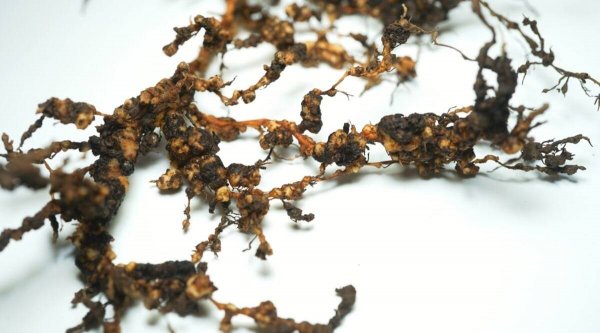
Root-knot nematodes have a complex life cycle: an embryonic stage, four juvenile stages, and adulthood. A single adult female can lay up to 1,000 eggs in a gelatinous mass on the root surface. After hatching, second-stage juveniles burrow into roots, triggering the formation of bulbous galls as the plant attempts to heal. These galls are the telltale sign of infestation, but symptoms above ground—chlorosis, wilting, and stunted growth—can be subtle, especially in vigorous plants.
Because symptoms mimic other stresses, the only reliable diagnosis is to inspect roots for galls. The parasites are often overlooked, particularly on larger plants like trees, where damage may go unnoticed for years.
Organic Control Strategies
Chemical nematicides are largely unavailable to home gardeners, but several organic methods can help manage infestations. Products containing geraniol or Quillaja saponaria (soap bark) act as nematicides, though they also kill beneficial nematodes. Azadirachtin, derived from neem oil, offers lighter control and also targets other pests.
Soil amendments like neem seed meal, crab meal, and oyster shell flour can suppress nematode populations while improving soil health. Neem seed meal adds nitrogen and strengthens roots; crab meal encourages beneficial microbes; oyster shell flour makes the soil less hospitable to nematodes. Black walnut leaves and hulls, which contain juglone, are highly effective but must be composted for three to six months to avoid harming other plants.
Soil solarization is a non-chemical option: till and moisten the soil, cover with clear plastic for two to three months during the hottest period. This kills nematodes, but also beneficial organisms, so it is essential to reintroduce beneficial microbes and nematodes afterward. Marigolds and sudangrass as cover crops release natural nematicidal compounds; tilling them into the soil at season's end adds organic matter and further protection.
Prevention and Long-Term Management
Prevention is the most effective strategy. Choose nematode-resistant plant varieties, often marked with an 'N' on seed packets. Practice crop rotation, remove infected root tissue, and till soil in the fall to expose nematodes to sunlight. Planting winter cover crops like rye or wheatgrass, and regularly adding compost, can also keep populations in check.
While root-knot nematodes are a formidable foe, a combination of cultural practices, organic amendments, and vigilant monitoring can protect your garden. The key is early detection and consistent management to minimize their impact on your prized plants.