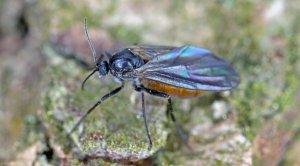
Gardeners across North America are facing a persistent threat that can decimate cucurbit crops and spread incurable plant diseases. Cucumber beetles, belonging to the genera Diabrotica and Acalymma within the Chrysomelidae family, are not just a nuisance; their larvae feed on plant roots while adults chew foliage, and they are primary vectors for bacterial wilt and cucumber mosaic virus. Understanding the specific species, their habits, and implementing a layered defense strategy is essential for protecting your garden.
While many species exist, the most common pests fall into two categories: striped and spotted cucumber beetles. The striped cucumber beetle (Acalymma vittatum) is prevalent in the central and eastern United States, feeding primarily on cucurbits. The spotted cucumber beetle (Diabrotica undecimpunctata howardi) has a wider host range, impacting beans, corn, and potatoes. Other notable species include the western corn rootworm (Diabrotica virgifera virgifera), a major corn pest that has spread to Europe, and the banded cucumber beetle, found from the southern U.S. to Colombia and Venezuela.
Life Cycle and Feeding Habits
Adult beetles emerge in spring, mate within a week, and females lay eggs on the undersides of leaves or flower petals. Larvae, known as rootworms, tunnel into the soil to feed on roots for several weeks before pupating. Depending on the species, some adults overwinter in compost piles or soil, entering a state of diapause until warmer weather returns. This cycle means that controlling both adult beetles and soil-dwelling larvae is crucial to breaking the pest population.
Despite their name, cucumber beetles are not picky eaters. Their diet includes cucumbers, squash, melons, corn, soybeans, potatoes, grapes, tomatoes, and wheat. This wide palate makes them a significant agricultural pest, not just a backyard nuisance. The damage they cause is twofold: direct feeding stress and the transmission of diseases that can wipe out entire plantings.
Disease Transmission: The Hidden Danger
The most severe impact of cucumber beetle infestations is the spread of bacterial wilt and cucumber mosaic virus. Both diseases are incurable, and infected plants must be removed and destroyed to prevent further spread. Bacterial wilt causes leaves to lighten, wilt, and collapse, while mosaic virus results in mottled yellow-green foliage, white banding along veins, or yellow rings. Prevention through beetle control is the only effective strategy.
Control efforts should start with environmental methods, as cucumber beetles are notoriously difficult to manage with insecticides alone. Encouraging beneficial insects is a first line of defense. Ladybugs and lacewings consume beetle eggs and young larvae, while spined soldier bugs and tachinid flies are effective predators of adult beetles. Planting yarrow, cosmos, coreopsis, goldenrod, Queen Anne's lace, dill, and parsley attracts these allies. Beneficial nematodes in the soil target larvae, providing underground protection.
If environmental controls are insufficient, organic pesticides offer a next step. A blend of pyrethrin and potassium salts of fatty acids is a broad-spectrum option, while horticultural oils can deter pests and smother eggs. Spinosad sprays are effective but should be used as a last resort due to potential harm to beneficial insects. Some beetles have developed resistance to pyrethrins, so having alternatives is important.
Prevention: Keeping Beetles at Bay
Preventing beetles from reaching plants is the most effective strategy. Kaolin clay dust creates a film on leaves that deters feeding and egg-laying. Floating row covers physically block adult beetles, but must be removed during flowering to allow pollination. Research suggests that using vermicompost as fertilizer may reduce striped cucumber beetle attacks, possibly due to increased phenolic compounds in the plants. While not a guaranteed solution, it adds another layer of protection.
For gardeners dealing with an active infestation, handpicking beetles and dropping them into soapy water is a direct, effective method. Companion planting with flowers that attract beneficial insects can also help, though no plant has been proven to repel cucumber beetles outright. Combining these strategies—identification, environmental controls, and preventive measures—offers the best chance of keeping your garden healthy and productive.