As summer winds down, gardeners often notice their petunias wilting, with buds turning brown and holes appearing in flowers. The culprit is often the tobacco budworm (Chloridea virescens), a moth larva that tunnels into buds and leaves. These pests can quickly ruin a season's bloom, but with a combination of prevention and targeted management, gardeners can protect their plants.
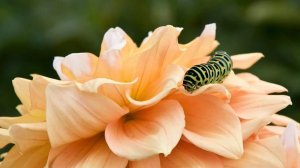
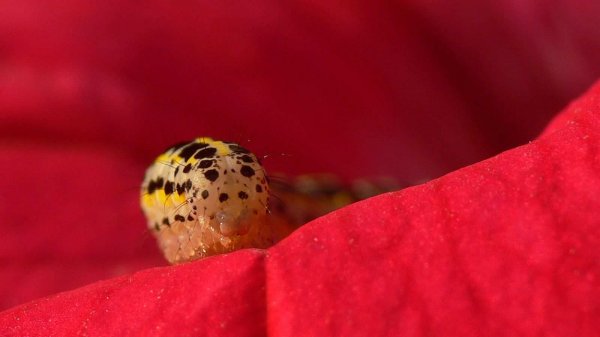
The tobacco budworm is one of several caterpillar species that damage garden plants. Adult moths are whitish-brown with three distinct stripes on their wings, and they lay eggs on susceptible crops and ornamentals. The larvae that emerge are small, yellow-white caterpillars with white stripes along their sides. As they feed, they change color to brown or green, blending into the foliage. They consume buds, leaves, and stems, leaving behind small round holes and dark frass (excrement). In severe cases, the wounds they create can allow pathogens to enter, leading to rot and wilting.
Early detection is key. Gardeners should inspect plants for symptoms such as a lack of flowers, brown or black buds, and the presence of frass. The caterpillars themselves can be found inside unopened buds or on stems, and they writhe when disturbed. They resemble corn earworms, but treatment for both is similar.
Prevention: Discouraging the Moths
Preventing budworm infestations starts with good garden hygiene. Removing garden debris, such as old stems and dead leaves, reduces overwintering sites for pupae. Weeds also provide cover and food for moths and larvae, so keeping the area weed-free is essential, especially for container-grown petunias.
Row covers are an effective physical barrier. Because moths lay eggs in the evening, draping a mesh cover over petunias in the afternoon and removing it in the morning can prevent egg-laying. Greenhouse plastic can be used in the fall, but it traps more heat and humidity, so it should be used with caution.
For potted petunias, simply moving them to a covered porch or patio can help. The moths are less likely to find flowers in enclosed or sheltered spaces. Planting geraniums as trap crops, placed away from petunias, can also lure moths away.
Management: Reducing Populations
When prevention fails, manual removal is the first line of defense. Wearing gloves, gardeners can inspect plants and squish the caterpillars or drop them into soapy water. This is most effective when done diligently during the active season, which runs from midsummer onward.
Biological controls offer a more natural approach. Parasitic wasps, such as Campoletis sonorensis and Cardiochiles nigriceps, target budworm larvae. Encouraging these wasps by planting ground cherry and flowering tobacco can help. Other beneficial insects, including pirate bugs, spiders, and damsel bugs, also prey on budworms. Providing a water source, like a bird bath, can attract these predators.
For those considering pesticides, a biopesticide containing Nosema heliothidis, a fungus-like parasite, can be effective. However, it is important to follow label instructions carefully. Bacillus thuringiensis (Bt) is often recommended but is not very effective against budworms, as they do not consume enough of the bacteria to be harmed. Broad-spectrum insecticides should be avoided, as they can harm pollinators and disrupt the natural predator-prey balance.
Ultimately, a combination of vigilance, prevention, and targeted controls is the best way to keep petunias healthy and blooming throughout the season.