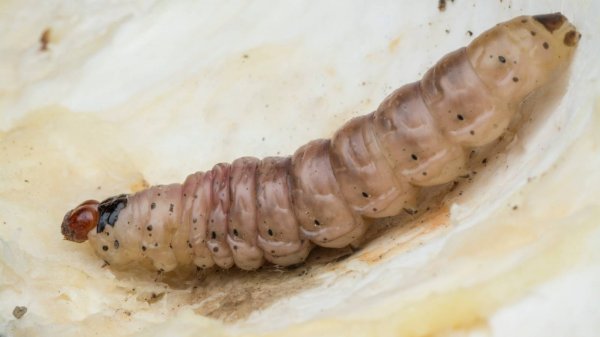
Iris borers, the larvae of the brown moth Macronoctua onusta, are the most destructive pests for iris plants, capable of ruining an entire stand within a single growing season. These caterpillars hatch from eggs laid on leaves in spring, then tunnel into the rhizomes, feeding on the fleshy tissue and leaving behind frass that invites mold and bacterial rot. Gardeners who act early—starting with inspections in early spring—can prevent widespread damage and avoid the need for harsh chemicals.
The borer's life cycle is tied to the warming weather: eggs hatch when iris leaves reach four to six inches tall, typically in early spring. The young caterpillars are small and white, later maturing to a reddish-pink with a dark brown head. Because they are hidden inside the plant, the first signs of trouble are often brown leaf edges, tunneling holes, and soft, water-soaked patches on foliage. Some plants may appear weak or yellow, but healthy irises can mask the infestation until it is too late, making close inspection—especially of the lower leaves—essential.
Early Intervention: Squishing and Digging
When caught while still in the upper leaves, the larvae can be physically removed by squeezing them between the fan-like foliage. This method, while not for the squeamish, is highly effective and prevents the caterpillars from reaching the rhizomes. Once they burrow deeper, the only recourse is to dig up the affected plants. The best time for this is after the flowers have finished blooming, as digging during flowering stresses the plants and disrupts their energy flow.
After lifting the irises, gardeners should rinse off the soil and inspect the rhizomes for softness, tunnels, or frass. Infested rhizomes can be cleaned if the damage is mild: cut away rotted portions, remove the caterpillar, and discard it in soapy water. For severely damaged plants that lack shoots, disposal is the safer option. Placing infested rhizomes in a sealed plastic bag and leaving it in direct sunlight for a few weeks will kill any remaining borers through heat, allowing the material to be composted safely.
Breaking the Cycle: Fall Cleanup and Spring Sprays
After feeding, borers move into the soil to pupate, emerging as adult moths in late summer and early fall to lay eggs on nearby debris. These eggs overwinter and hatch the following spring, so fall cleanup is a critical preventive measure. The ideal time is immediately after the first hard frost, when temperatures drop to 28°F (-2°C) for four or more hours, killing adult moths. Removing dead leaves, stems, and weeds reduces the number of eggs that will hatch next season. Hot composting or disposing of debris in a green waste bin ensures any eggs are destroyed.
For persistent infestations, an organic pesticide like spinosad can be applied in early spring when leaves are four to six inches tall. However, spinosad is toxic to bees and other pollinators while wet, so applications should be timed for morning or evening when pollinators are less active. Always follow the label instructions—the label is the law—and wear protective gear during application.
By combining these seven steps—early detection, manual removal, post-bloom digging, inspection, cleaning or disposal, fall cleanup, and targeted organic sprays—gardeners can protect their irises from borer damage and maintain healthy, vibrant stands year after year.