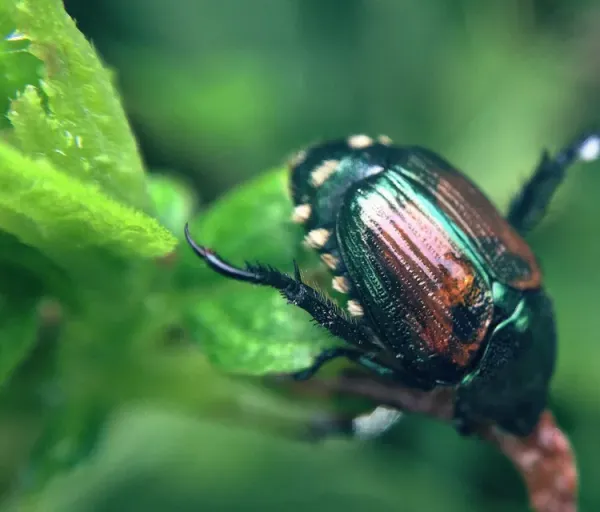
Japanese beetles (Popillia japonica), an invasive species first detected in the United States around 1919, have since become a formidable adversary for gardeners and farmers across the continent. Their arrival, likely via imported ornamental plants, marked the beginning of a persistent battle against a pest that can strip foliage and devastate turf.
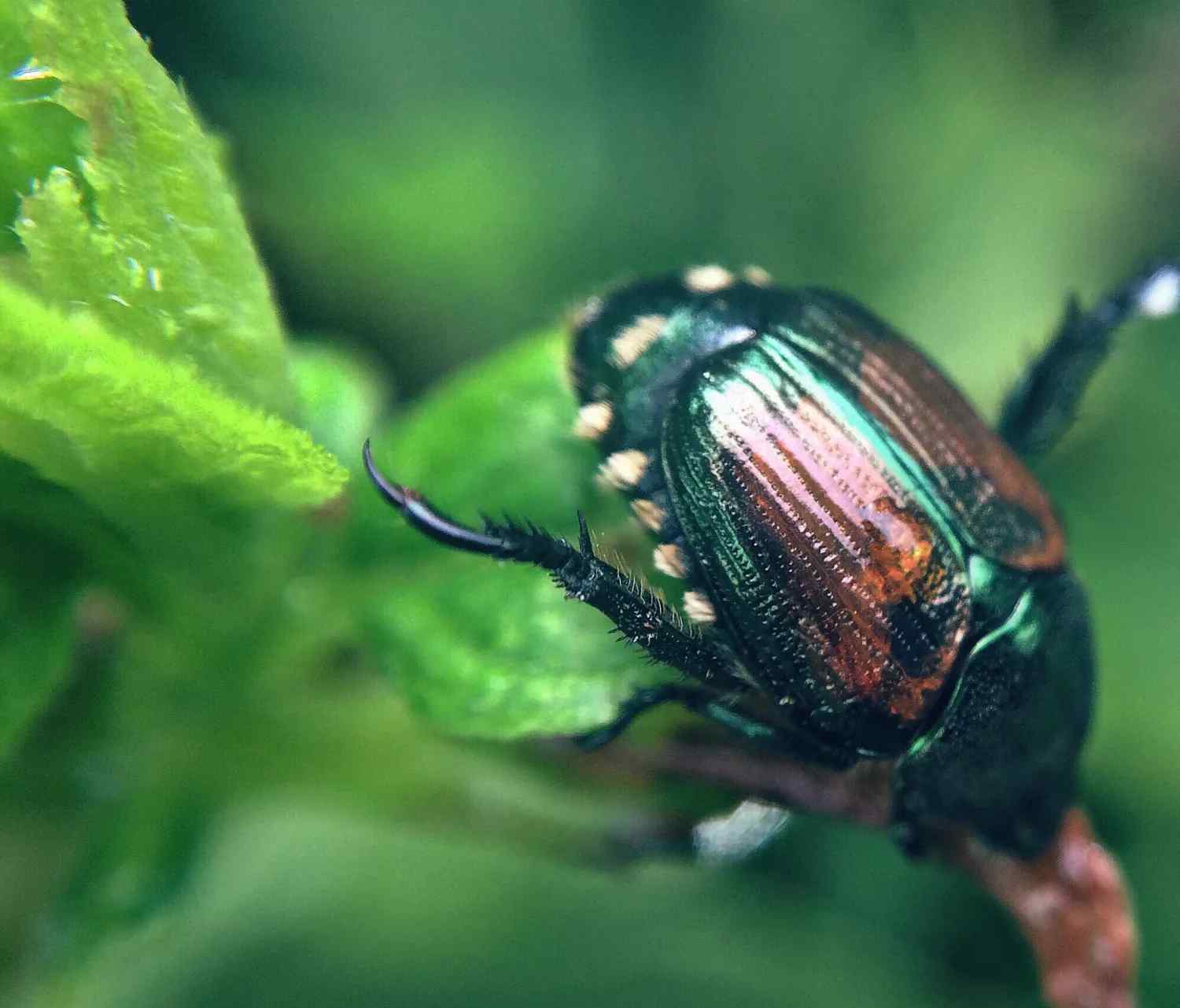
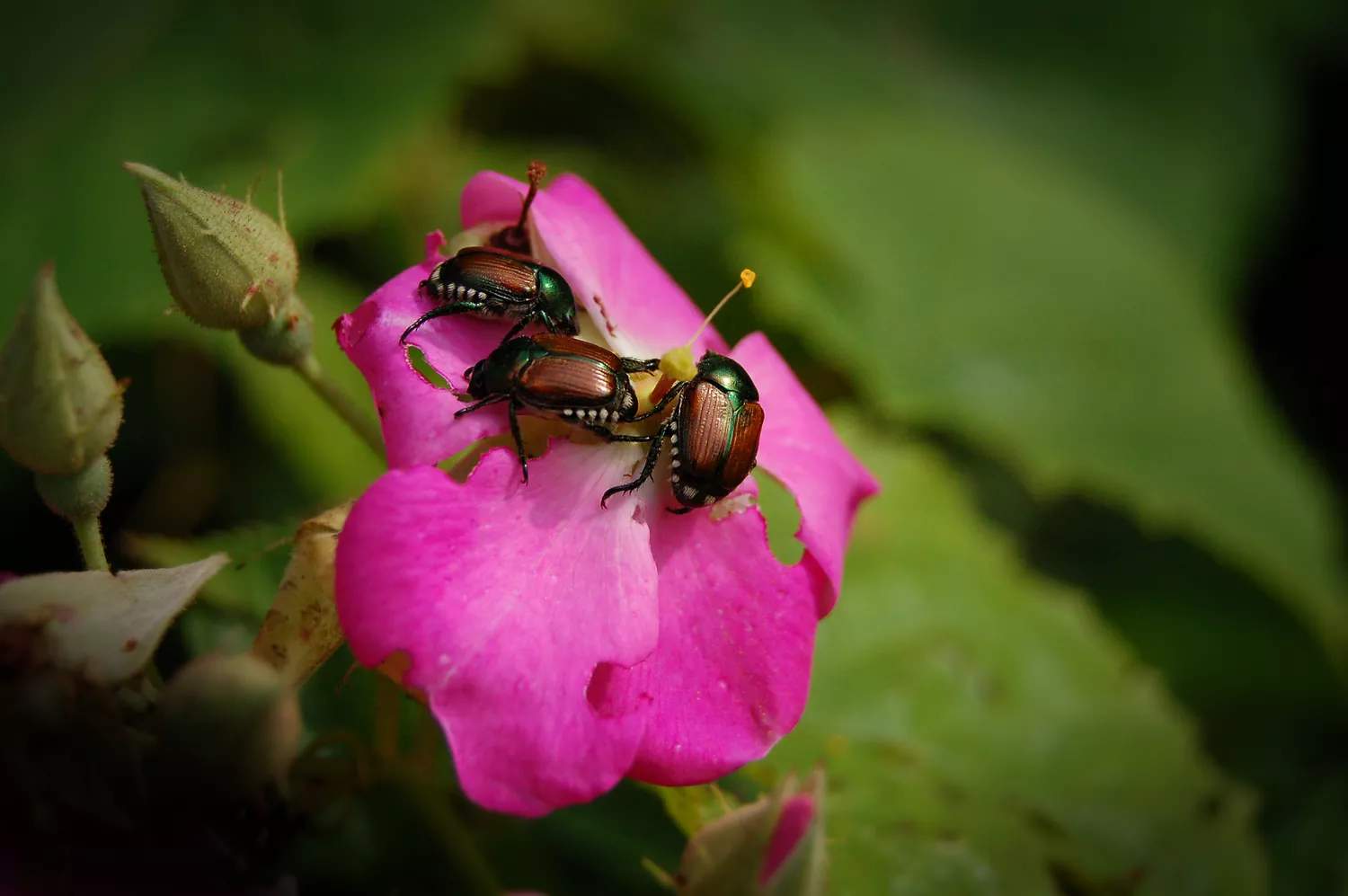
Adult beetles, measuring about 3/8-inch long, are identifiable by their metallic green bodies and copper-brown wing covers. However, look-alikes exist, so confirming their identity involves checking for five small white tufts under the wing covers and one at the abdomen's tip.
Why Japanese Beetles Pose a Serious Threat
While a single beetle is harmless, they emerge in massive numbers, quickly defoliating shrubs and trees. Their populations fluctuate cyclically, with some years nearly beetle-free and others experiencing severe infestations. The sheer volume of insects makes eradication challenging, but targeted control measures can mitigate damage.
Their diet includes over 300 plant varieties, from trees and shrubs to non-woody plants. During peak years, no plant seems safe. Recognizing the signs of an infestation—skeletonized leaves, brown patches in lawns, and increased bird or raccoon activity digging for grubs—is crucial for early intervention.
Understanding the Beetle's Lifecycle
Effective control hinges on understanding the four developmental stages: egg, larva, pupa, and adult. Eggs, laid in soil, hatch into larvae (white grubs) that feed on roots, potentially killing large lawn areas. As soil cools, grubs burrow deeper for winter, then resurface in spring to pupate. Adults emerge between May and June, depending on region, and immediately seek plants to feed on and mate. Females lay about 50 eggs each, living 30 to 50 days, continuing the cycle.
Timing Your Control Efforts
Control timing is stage-specific. Hand-picking or spraying pesticides is effective during the adult feeding period, roughly a month in late May, June, or July. Targeting grubs is best done in late summer to fall when they are actively feeding on roots. It's important to note that complete eradication is impossible; new beetles will fly in from surrounding areas. Natural predators are limited, and pheromone traps, while useful for monitoring, can actually attract more beetles to your yard.
Manual and Chemical Control Methods
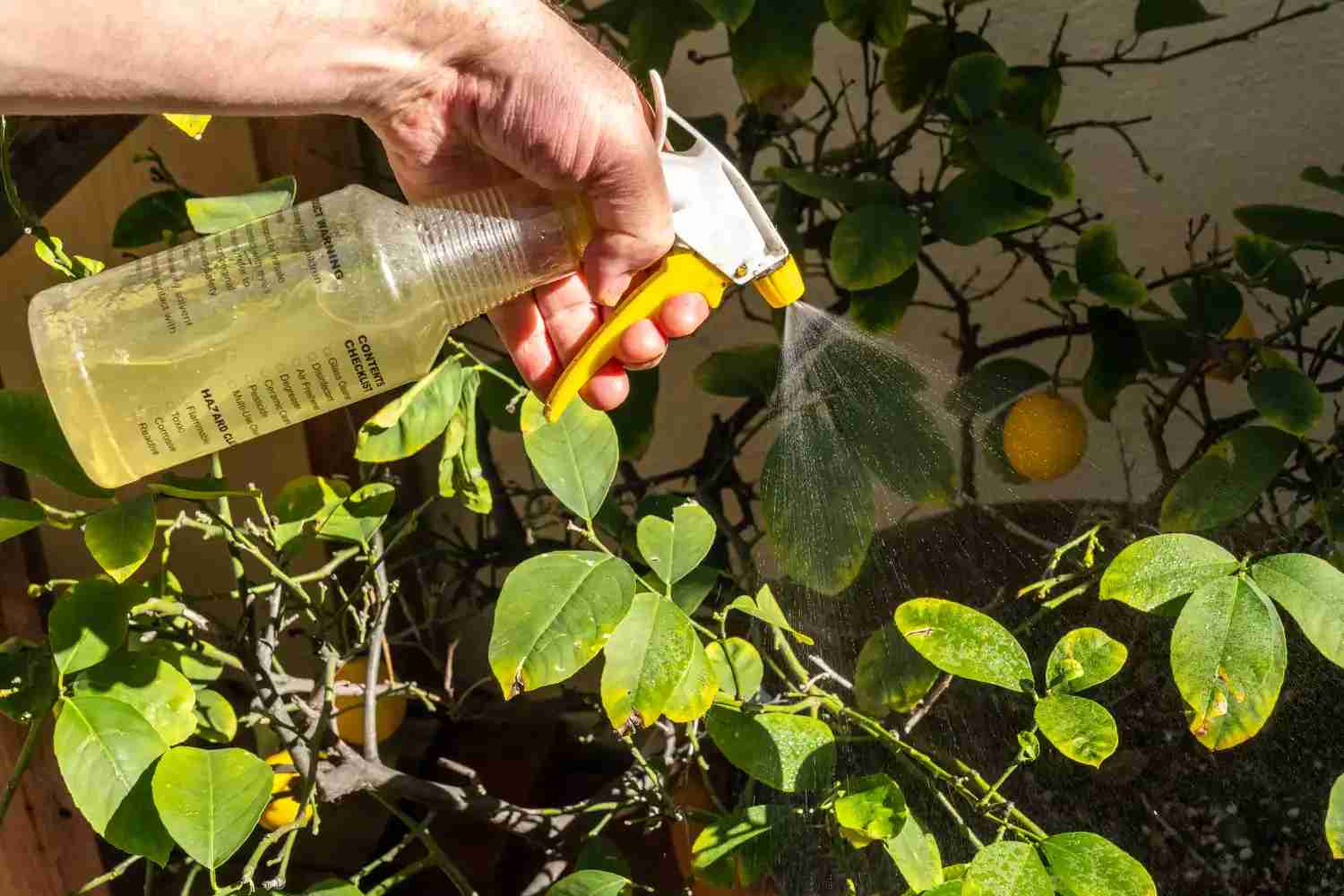
The most straightforward method is hand-picking. Brush beetles into a jar of soapy water, where they drown. This must be repeated every few days throughout their active period. For larger infestations, insecticidal soap sprays are effective when applied directly to the beetles, as they have no residual effect. A solution of one gallon of water mixed with up to four tablespoons of pure castile soap, optionally with a cup of cooking oil to suffocate the insects, can be used. Always test on a small plant area first, as some plants like tomatoes, cherries, and cucumbers are sensitive to soap sprays.

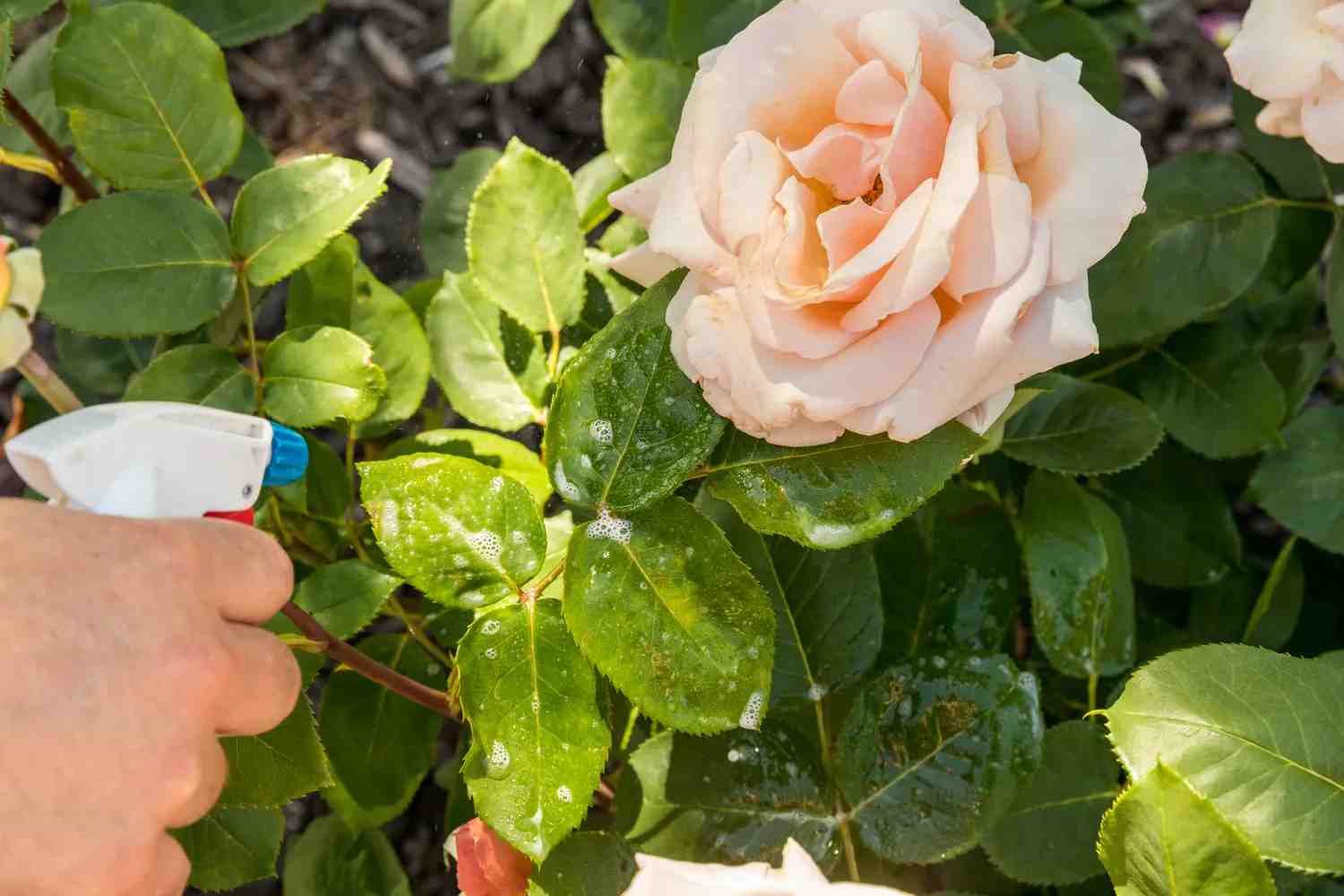
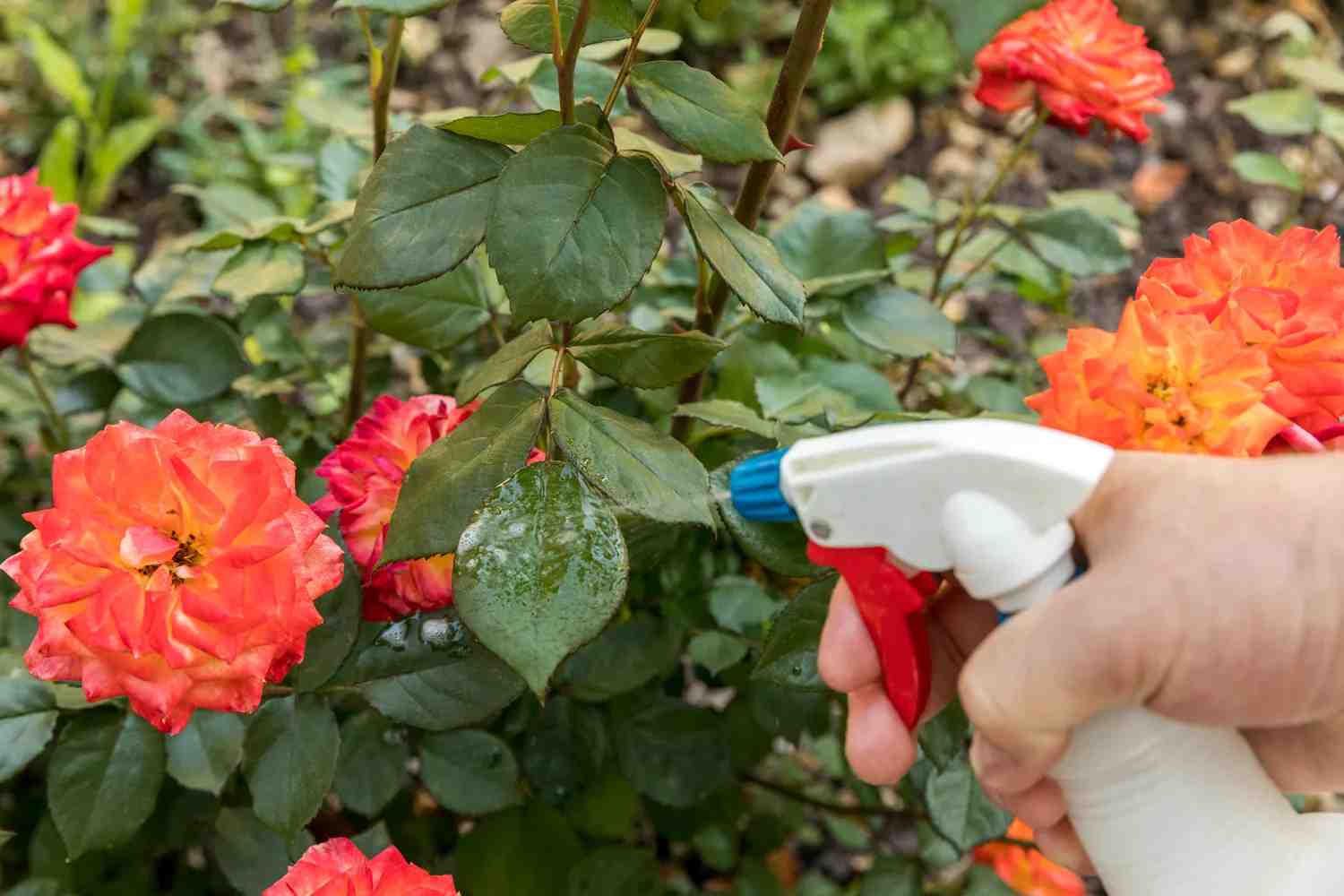
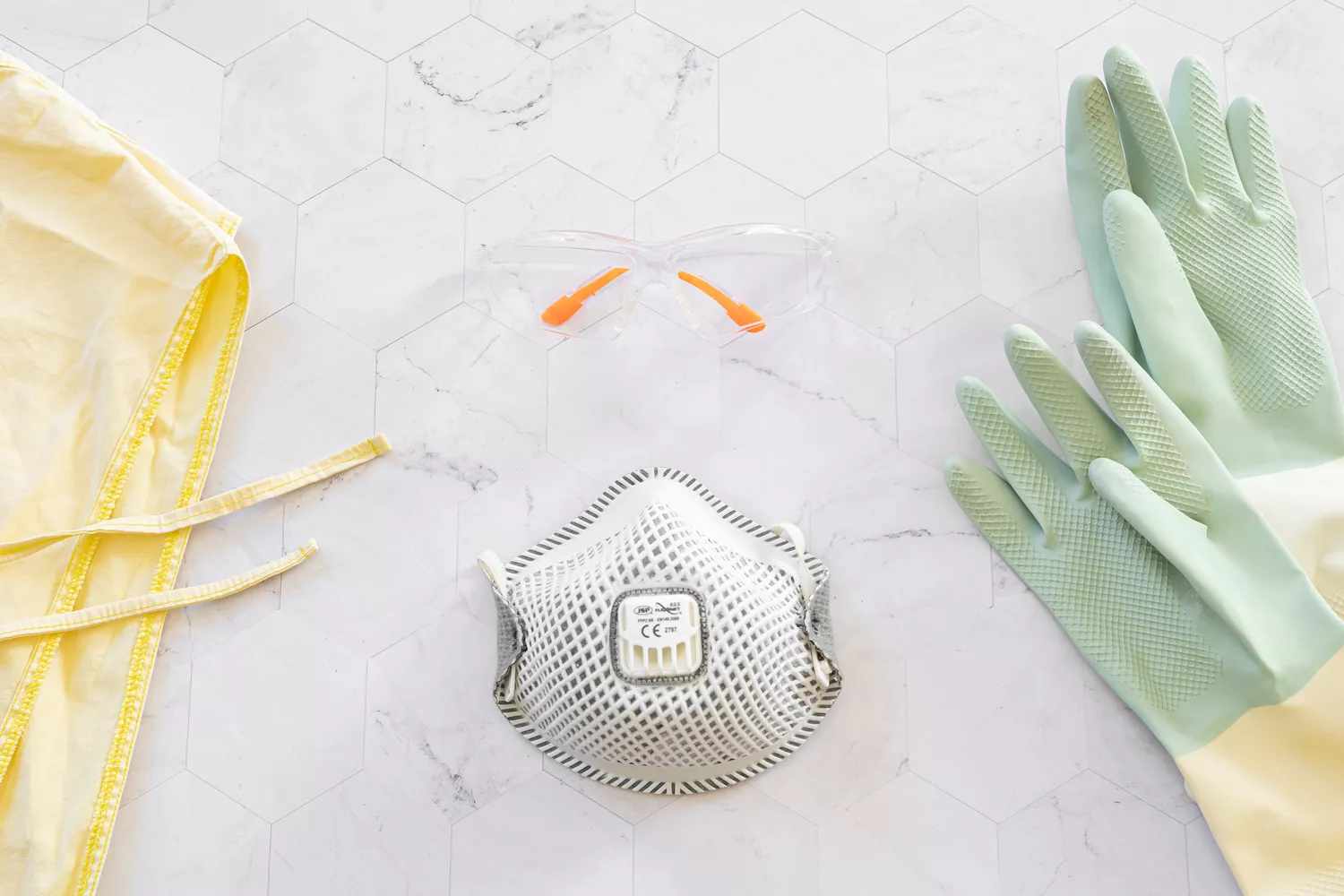
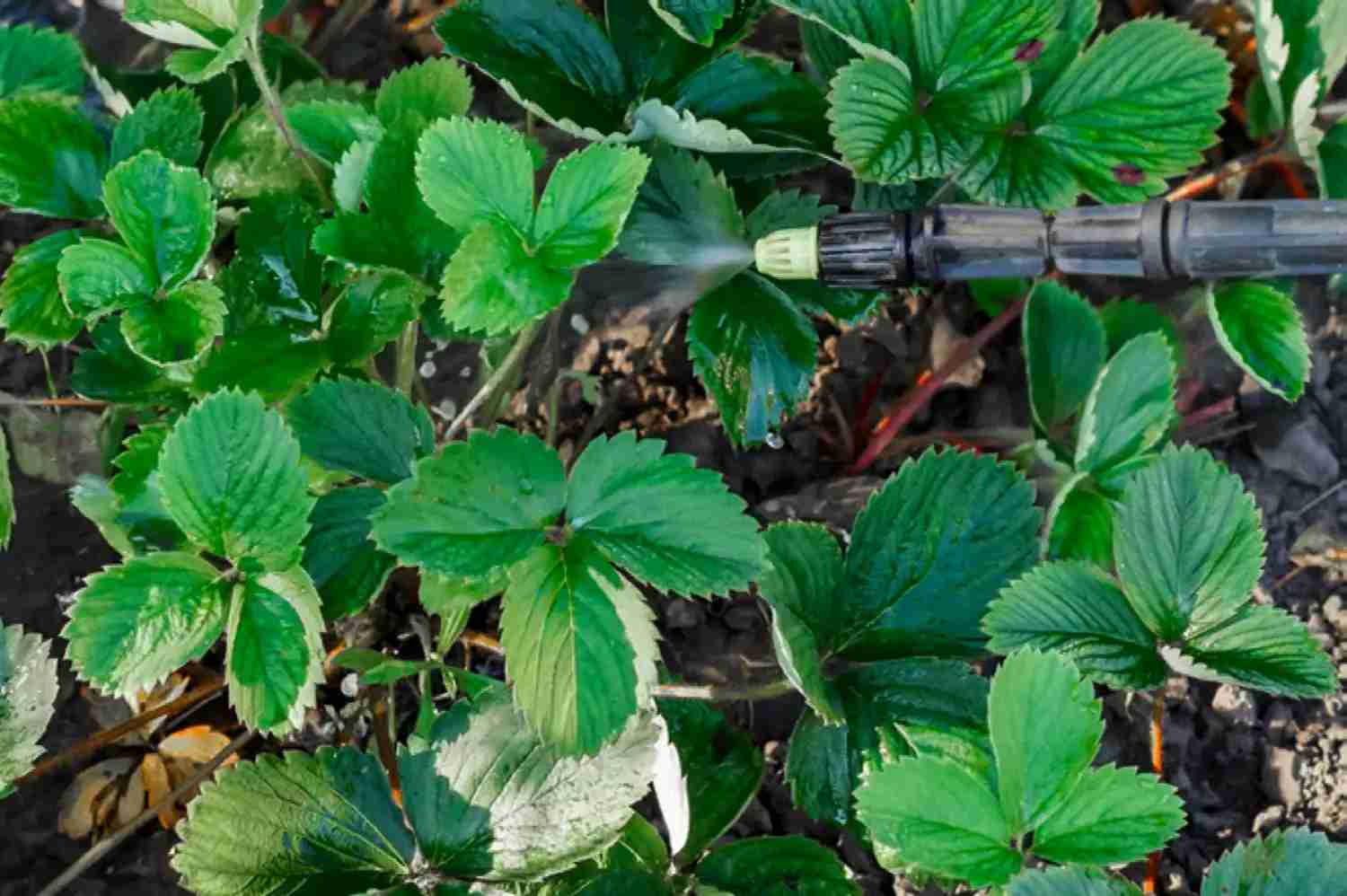
Chemical pesticides, including neem oil and pyrethrin-based products, are alternatives, but they require careful application to avoid harming beneficial insects like bees and butterflies. Protective gear—gloves, long sleeves, eye protection, and a respirator—is essential. When applying, cover all plant parts thoroughly, avoiding drift into water sources, as these chemicals are toxic to aquatic life.
Targeting Grubs in the Lawn
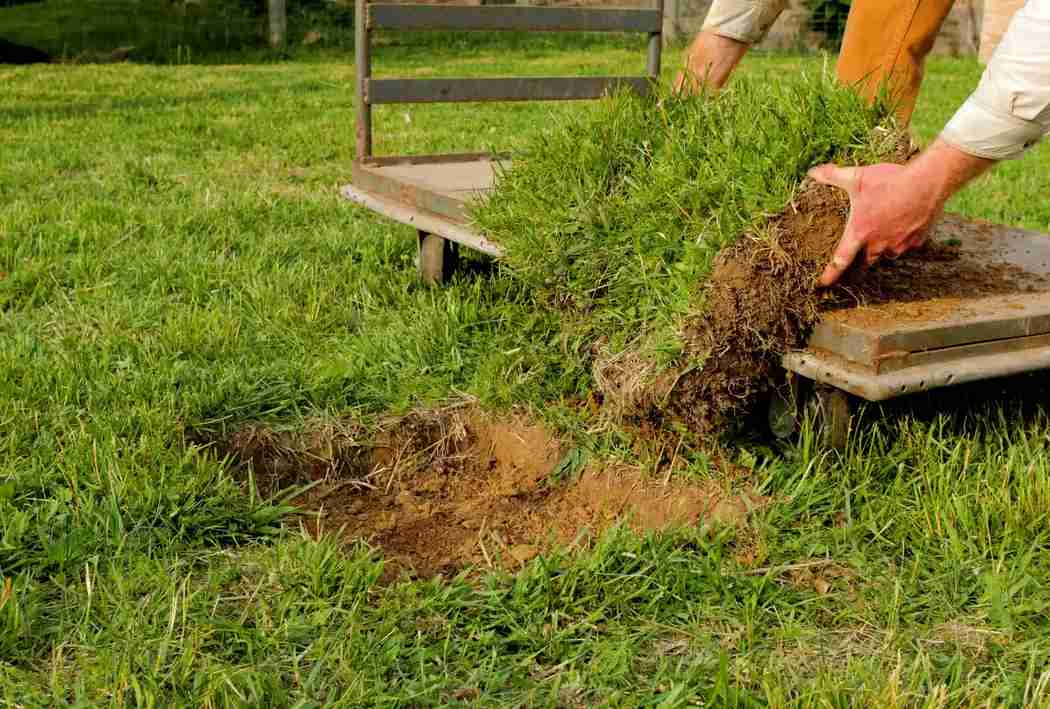
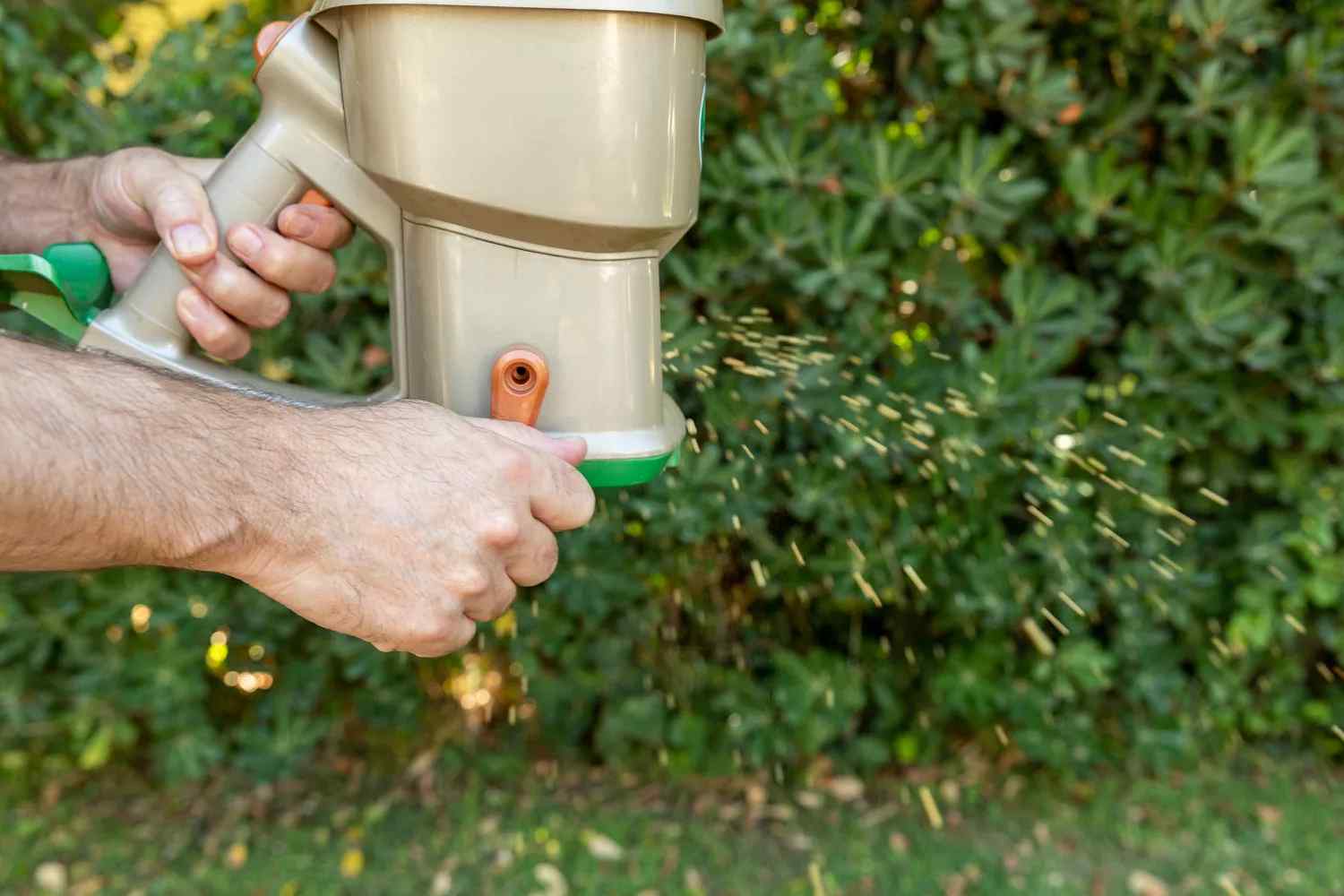
For persistent infestations, inspect the soil in late summer. Lift a one-square-foot section of turf; if more than a dozen grubs are present, consider applying a granular grubicide. These baits are relatively safe, but avoid products containing Sevin, which harms earthworms and other beneficial organisms.
Biological Controls: Milky Spores and Nematodes
For a long-term solution, milky spores (Bacillus popilliae) and nematodes (Steinernema spp.) are effective against grubs. Milky spores infect and kill grubs within 7 to 21 days, and can persist in soil for over 20 years, though establishment in colder climates may take up to five years. Nematodes, microscopic worms, also target grubs and should be applied on cloudy days or at dusk to avoid UV damage, followed by watering.
Preventive Measures and Landscape Choices
Controlling grubs not only reduces beetle populations but also addresses mole problems, as moles dig for grubs. Choosing plants less attractive to Japanese beetles, such as arborvitae, boxwood, dogwood, firs, hemlock, holly, junipers, lilac, magnolia, pines, redbud, red maple, and rhododendron, can reduce the appeal of your landscape.
While Japanese beetles are a persistent challenge, a combination of vigilant monitoring, timely intervention, and strategic landscaping can keep their impact manageable.