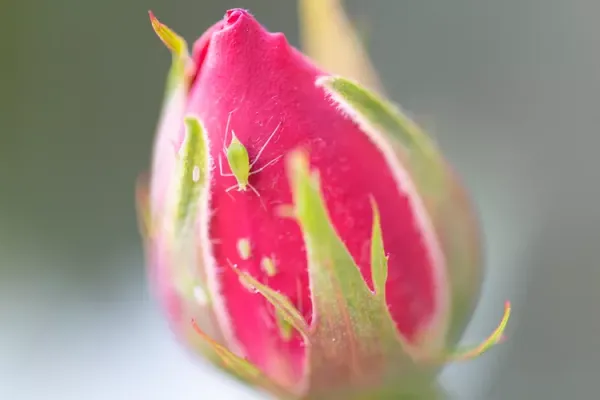
For organic gardeners, aphids—also known as plant lice—are a persistent nuisance that often calls for creative, chemical-free solutions. Two homemade sprays, one derived from tomato leaves and another from garlic oil, have gained a reputation for effectiveness. While the recipes are simple, understanding how they work and when to use them is just as crucial as the application itself.
Before reaching for any spray, a straightforward approach is to rinse the pests off with a garden hose. A standard nozzle with moderate pressure can dislodge aphids without harming the plant. For minor infestations, wiping leaves with a damp cloth may suffice.
Recognizing Aphids and Their Damage
Correct identification is the first step. Aphids are small, pear-shaped insects, typically measuring 1/16 to 1/8 inch in diameter, and may appear fuzzy. They come in shades of brown, black, red, yellow, or green, and close inspection reveals tube-like structures called cornicles at the rear of their abdomens. Infested plants often show curling or stunted leaves, a sticky residue known as honeydew, distorted flowers or fruit, and in severe cases, slowed growth or death of young plants.
Tomato Leaf Spray: A Natural Toxin
Tomato plants, members of the nightshade family, contain alkaloids in their leaves—compounds that are toxic to aphids but safe for humans and plants when used properly. To make the spray, chop one to two cups of fresh tomato leaves and steep them in two cups of water overnight. After straining the mixture with cheesecloth or a fine strainer, add another cup of water and transfer to a labeled spray bottle. Apply generously to stems and foliage, paying special attention to the undersides of leaves, where aphids tend to gather.
This method is particularly valuable because it does not harm beneficial insects, making it a preferred choice when ladybugs or other natural predators are present.
Garlic Oil Spray: Sulfur-Based Defense
Garlic has long been a staple in organic pest control, thanks to its sulfur content, which acts as an antibacterial and antifungal agent. The dish soap in the mixture also breaks down the soft bodies of aphids. To prepare, finely chop three to four garlic cloves and steep them in two teaspoons of mineral oil for 24 hours. After straining, combine the infused oil with two cups of water and one teaspoon of dishwashing liquid, such as Dawn. Store the mixture in a labeled container and dilute as needed before spraying.
Because garlic oil can be harmful to beneficial insects like ladybugs, it should only be used if no beneficial bugs are observed in the garden. Before applying to the entire plant, test on a small, inconspicuous area and wait a day or two to check for leaf damage. If yellowing occurs, dilute further and retest.
Additional Natural Aphid Controls
Beyond sprays, gardeners can encourage natural predators—such as ladybugs, lacewings, parasitic wasps, and damsel bugs—by planting mint, fennel, dill, yarrow, and dandelions. Avoiding over-fertilization is also key, as excessive nitrogen promotes tender new growth that attracts aphids. Another trick is placing an aluminum pie plate around the plant's base; reflected ultraviolet rays deter aphids. For a direct approach, a heavily diluted rubbing alcohol solution (20 parts water to 1 part alcohol) can be sprayed on foliage and stems.
Each method offers a practical, low-cost alternative to synthetic chemicals, allowing gardeners to manage aphid populations while maintaining a balanced ecosystem.