Gardeners often spot earwigs lurking in moist mulch or under logs, their pincer-like appendages giving them a menacing look. But these half-inch insects are more misunderstood than harmful. While they can nibble on tender plants, they also prey on common pests like aphids and slugs, making them a potential ally in the garden.
Earwigs are identifiable by their flattened, elongated bodies, ranging in color from pale brown to black, and two distinct forceps-like pincers at the rear. They have long antennae and six legs, with some species winged. They are often confused with silverfish or rove beetles, but only earwigs possess those paired pincers.
Their life cycle is tied to the seasons. Mating occurs in the fall, with eggs laid in late winter or early spring. Nymphs hatch in about a week and molt several times before becoming adults. In warmer regions, two generations can occur annually, but cold weather keeps populations in check in cooler climates.
Balancing Benefits and Damage
Earwigs feed on decaying plant matter and, occasionally, living plants, particularly herbs, corn tassels, dahlias, marigolds, roses, and zinnias. They can also damage fruits like berries, apricots, and peaches. However, their feeding is often minimal, and they provide a service by consuming aphids, snails, slugs, and insect larvae. The real problem arises when their numbers swell, leading to noticeable plant damage.
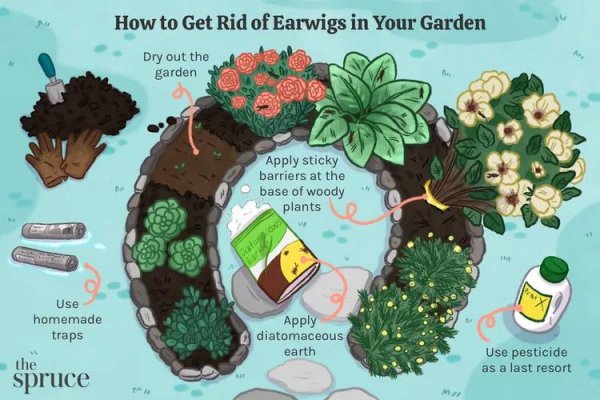
One of the simplest control methods is to reduce moisture. Clearing mulch temporarily and letting the soil dry can encourage earwigs to move on. This also helps deter other moisture-loving pests like slugs.
Homemade traps are another effective, low-cost approach. Placing damp, rolled-up newspapers or small cardboard boxes in the garden overnight attracts earwigs seeking shelter. In the morning, you can collect and dispose of them. Alternatively, shallow cans filled with a thin layer of vegetable oil serve as a food lure that traps the insects.
For woody plants, applying a sticky barrier like Tanglefoot or petroleum jelly at the base can prevent earwigs from climbing to feed. Diatomaceous earth, a natural powder made from fossilized algae, can be sprinkled on soil to deter them; it works by abrading their exoskeletons, causing dehydration. Reapply after a week if needed.
As a last resort, outdoor insecticides labeled for crawling insects, such as diazinon, can be used. Always follow the manufacturer's instructions, and apply in the evening when earwigs are most active.
Prevention and Common Questions
Preventing earwigs starts with eliminating their preferred habitats: dark, damp areas. Fix leaky hoses, move woodpiles, clear debris, and trim overgrown plants. Weeds near the garden should be pulled, as they can harbor earwigs.
Despite their fearsome appearance, earwigs do not bite or carry diseases. They may pinch defensively if handled. They can, however, potentially spread fungal or bacterial plant diseases, though this is less common than with other insects. The name "earwig" comes from an old myth that they crawl into human ears, which is false.
For indoor infestations, traps, boric acid, rubbing alcohol, and reducing moisture are recommended. In the garden, a few earwigs are generally not a cause for alarm. Control measures are only necessary when their damage outweighs their benefits.