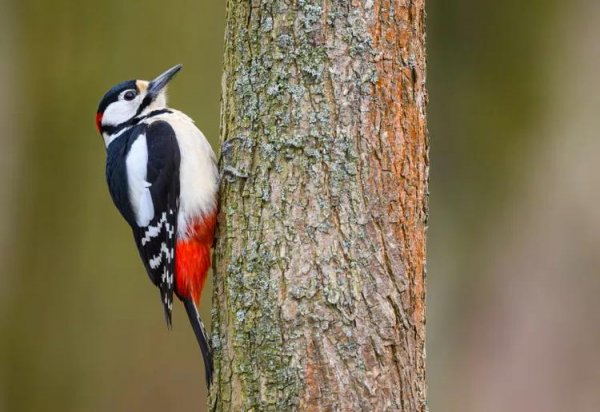
Woodpeckers, with their distinctive undulating flight and rhythmic drumming, can be a delight to observe—until that drumming targets your siding. The noise and resulting holes can become a persistent nuisance, but homeowners must tread carefully: these birds are protected under the Migratory Bird Treaty Act of 1918, which covers all 23 North American species. This means harming or removing them without a federal permit is illegal. Fortunately, a range of humane, preventive strategies can encourage them to move on without breaking the law.
The key to successful deterrence is understanding what attracts woodpeckers in the first place. They are naturally drawn to dead or dying trees, stumps, and wood-boring insects—their primary food source. However, your yard may inadvertently offer other attractions: suet, nuts, and even hummingbird feeders can entice them. Homes with wood siding, especially those near wooded areas or parks, are particularly vulnerable. Once a woodpecker establishes a territory, especially during breeding season, it becomes more persistent, so prompt action is crucial.
Barriers and Repairs
The most effective method is to physically block access to favored spots. Repair any existing damage, then attach bird netting or 1/4-inch hardware cloth to eaves, stretching it tight and extending it at least 3 inches from the surface to prevent pecking through. This barrier also protects fruit trees and valuable ornamentals. If you notice drilling on a deck, siding, or play equipment, it may signal an insect infestation—carpenter bees and other wood borers are a dinner bell for woodpeckers. Eliminate the pests, fill holes with wood putty, and seal or paint the area. For long-term prevention, consider using building materials like clapboard or synthetic siding instead of wood, especially in wooded locales. Store firewood in a shed or under a tarp to avoid attracting insects and, consequently, woodpeckers.
Habitat Modification
Removing dead wood is another critical step. Dead trees, snags, and stumps are insect magnets, so keep trees pruned and clear deadfall. If stump removal isn't immediate, cover stumps with burlap or a resistant material. Additionally, you can make your property less appealing by temporarily removing or emptying feeders that offer suet, nuts, or seeds. Hopper feeders, designed to exclude large birds, can be a compromise if you wish to continue feeding other species.
Scare Tactics and Noise
Simple visual deterrents can be surprisingly effective. Covering a pecking spot with aluminum foil or hanging small mirrors may discourage the bird, though mirrors can sometimes trigger territorial aggression. Shiny objects, big-eyed balloons, and predator decoys like owls or hawks work best when they move—place them in various spots and relocate them periodically. Noise and motion also startle woodpeckers: wind chimes, aluminum pie pans, glass bottles, loud clapping, or banging a garbage can lid can help. Playing recorded predator calls or installing motion-activated sprinklers or lights can also reinforce the message.
When to Seek Professional Help
If these methods fail, the last resort is to contact your state fish and wildlife service. Pest removal services are not authorized to handle protected birds without a permit. The agency can assess your situation and advise on obtaining a legal waiver for removal or relocation if necessary. Remember, patience and persistence are your allies—woodpeckers are creatures of habit, and consistent deterrence is often the key to reclaiming your peace and your property.