Spring's first tulip shoots are a welcome sight, but they can also attract a host of hungry visitors. From tiny sap-sucking insects to larger mammals, a range of pests can compromise the health and beauty of your tulip bed. Identifying the culprit is the first step toward effective control, and this guide covers 11 of the most frequent offenders, along with practical, low-impact strategies for prevention and removal.
Gardeners often notice damage before they see the pests themselves. Chewed leaves, distorted growth, sticky residues, or missing bulbs can all signal an infestation. The key is to act promptly, as many pests can quickly multiply or cause irreversible damage to bulbs and blooms.
Insect and Mite Invaders
Aphids, small pear-shaped insects often found on leaf undersides, cause yellowing and distortion while excreting a sticky honeydew that attracts ants. A strong jet of water or horticultural oil can dislodge them, and encouraging natural predators like ladybugs and lacewings helps keep their numbers in check. Companion plants such as garlic and chives may also deter them.
Bulb flies, which resemble small bumblebees, lay eggs at the base of plants, and their larvae burrow into bulbs, causing yellowing and stunted growth. Prevention starts with purchasing firm, disease-free bulbs from reputable growers. If infested, remove and destroy affected bulbs and surrounding soil.
Bulb mites, tiny creamy-white pests with brown legs, feed on bulbs and can introduce rot. They are often found on already damaged bulbs. Discard infested bulbs and excavate the soil around them. Predatory mites and winter flood irrigation can help in larger plantings.
Spider mites, which are pale and fast-moving, cause stippled, yellowing leaves and fine webbing. They thrive in dry, dusty conditions, so keeping plants moist and beds free of dust is crucial. Prune infested foliage and consider introducing predatory mites.
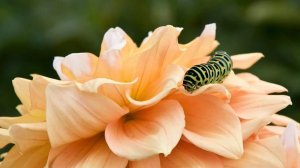
Caterpillars, the larvae of moths and butterflies, chew ragged holes in leaves and flowers. Hand-picking is the most effective removal method, while encouraging birds and parasitic wasps provides natural control. Keeping beds tidy and weed-free reduces their habitat.
Thrips, slender insects with fringed wings, leave black puncture marks and stippled yellow patterns on leaves. Forceful hose spraying, neem oil, and beneficial insects like lacewings can manage them. Reflective mulch may deter them from landing.
Mammalian Visitors
Squirrels often dig up bulbs in fall, leaving holes and scattered bulb pieces. They are attracted to bird feeders and nut sources, so eliminating these can encourage them to move on. Deterrents include motion-activated lights, loud noises, and sprinklers.
Deer feed on tulips, especially in early morning or late evening, leaving ragged leaves and broken stems. A 6-foot-tall fence is the most reliable barrier, though some gardeners try deterrents like human hair or strong-smelling soaps, with mixed results.
Rabbits leave clean, 45-degree cuts on stems and small pellets. Remove clutter and seal off hiding spots under sheds and porches. A mesh fence buried at least 6 inches deep and standing 18 inches tall can exclude them.
Voles, small rodents with short tails, gnaw on roots and stems and create burrows in mulch. Keep vegetation sparse around tulip beds and install wire mesh buried 6-8 inches below grade. Traps and baits can reduce severe populations.
Integrated Approach to Tulip Care
No garden will ever be completely free of pests, and most play a role in the ecosystem. The goal is to manage imbalances before they cause significant damage. Regular monitoring, early intervention, and a preference for natural controls over broad-spectrum pesticides will help maintain a healthy tulip display while minimizing harm to beneficial insects and the environment.