Fungus gnats, those tiny mosquito-like flies that hover around potted plants, are more than a nuisance. In a particularly rainy spring, they can decimate outdoor sprouts, and indoors, they can kill houseplants when populations explode. While adult gnats are weak fliers, their larvae feed on plant roots and can spread fungal diseases, making control essential for any gardener.
These pests thrive in moist, organic-rich soil, which is why overwatered houseplants and rainy-season gardens are prime targets. Understanding their life cycle and the damage they cause is the first step to effective management.
Understanding the Threat: Life Cycle and Damage
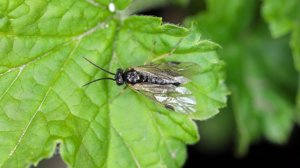
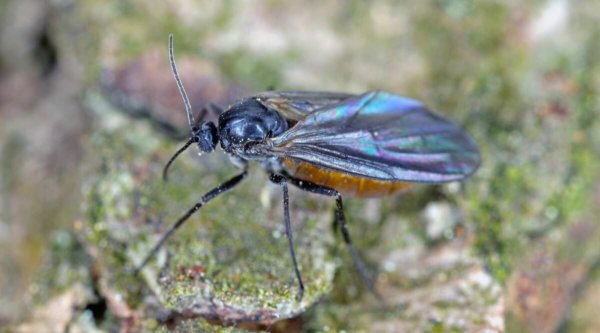
Fungus gnats belong to several insect families, including Sciaridae, Mycetophilidae, and Keroplatidae. Most are harmless, but the larvae of the Sciaridae family, particularly the Bradysia and Orfelia species, are the culprits behind root damage. Adult gnats are about 1/16 to ⅛ inch long, with long legs and antennae, and are often mistaken for mosquitoes. The larvae, which have a shiny black head and a whitish body, live in the soil and feed on fungi and plant roots.
The life cycle is rapid: adults lay up to 300 eggs in moist soil, and within four to six days, larvae emerge. After about two weeks of feeding, they pupate for three to four days before emerging as adults. This quick cycle means overlapping generations can appear in a short time, so control efforts must target both adults and larvae.
While adult gnats cause little direct harm, the larvae can stunt plant growth by chewing on roots. In severe infestations, plants may wilt, yellow, and die. Moreover, fungus gnats can transmit fungal pathogens like Pythium, Verticillium, and Fusarium, which can cause root rot and wilt. Treating affected plants with a copper fungicide after pesticide application can help prevent these secondary infections.
Control Strategies: From Simple Soaks to Biological Agents
An integrated approach is recommended, combining cultural practices with targeted treatments. One of the simplest methods is a hydrogen peroxide soil drench. Mix one part 3% hydrogen peroxide with four parts water and pour it through the soil until it drains from the bottom. This kills larvae on contact. Neem oil, which contains azadirachtin, is another effective soil soak that is safe for indoor and greenhouse use.
For a more biological approach, Bacillus thuringiensis var. israelensis (Bti) is a bacteria that specifically kills fungus gnat larvae. It is available in products like Mosquito Bits or Dunks, which can be sprinkled on the soil and watered in. Beneficial nematodes, such as Hypoaspis miles, are microscopic predators that also feed on larvae. These are best applied in cooler weather, as heat can kill them, and repeated applications may be necessary.
Yellow sticky traps are useful for monitoring and reducing adult populations. Placing them near plants can catch the weak-flying adults before they lay eggs. For a DIY option, a shallow dish of apple cider vinegar can also trap them.
Prevention and Cultural Practices
Prevention is the most effective strategy. Avoid overwatering and ensure pots have proper drainage. Remove standing water from saucers and repair any irrigation leaks. Pasteurize or use heat-treated compost to eliminate larvae. When buying new plants, inspect the soil for larvae or adults and quarantine them for three to four weeks to prevent spread.
Mulching with a thick layer of stone chips can also deter adults from laying eggs. By combining these preventive measures with targeted treatments, gardeners can keep fungus gnat populations under control and protect their plants from damage.