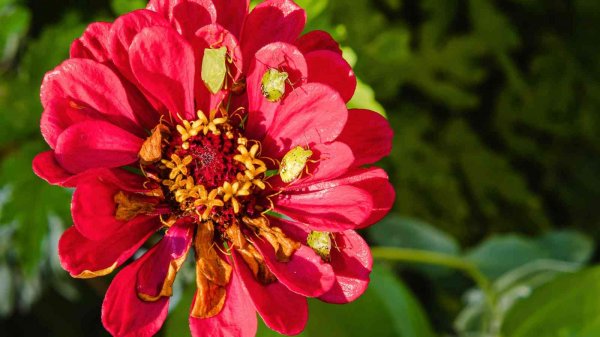
Zinnias, a staple of summer gardens for their vibrant blooms and resilience in heat, also serve as a magnet for a variety of common pests. From aphids clustering on stems to whiteflies scattering at the slightest touch, these invaders can compromise the health and appearance of the plants. However, with a combination of cultural practices, mechanical removal, and the encouragement of natural predators, gardeners can effectively manage these threats without resorting to heavy chemical use.
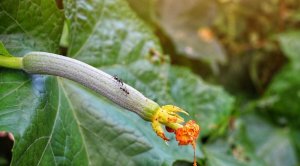
The most prevalent pest on zinnias is the black bean aphid (Aphis fabae), a pear-shaped insect that gathers in large numbers on stems and leaves, feeding on sap. A telltale sign of an aphid infestation is the presence of ants, which are attracted to the honeydew the aphids excrete. In advanced stages, sooty mold may develop on the honeydew, leading to leaf distortion. To prevent aphids, gardeners can plant nectar-rich flowers like alyssum to attract lady beetles, lacewings, and parasitic wasps, which are natural aphid predators. For immediate removal, a strong stream of water can dislodge the pests, and insecticidal soaps or neem oil can be applied during early morning or late evening to avoid harming pollinators.
Mites and Earwigs: Subtle Signs and Nocturnal Feeders
Both broad mites (Polyphagotarsonemus latus) and spider mites are tiny pests that cause distinctive damage. Broad mites inject a toxin that leads to leaf curling, cupping, and stunted growth, while spider mites create fine webbing and cause yellow stippling on leaves. Both thrive in dusty conditions, so keeping plants clean and adequately watered is a key preventive measure. Predatory mites and lady beetles are effective biological controls. If infestations occur, pruning damaged areas and applying horticultural oils can help, though care should be taken to avoid spraying when flowers are open.
Earwigs, though often beneficial as aphid predators, can become pests themselves when they feed on zinnia flowers, especially in large numbers. These nocturnal insects, about ¾ inch long with forceps at their rear, hide under rocks and logs during the day. To prevent earwigs, remove decaying plant material and weeds from the garden. Encouraging natural predators like toads, birds, and ducks can also help. If chemical control is necessary, organic slug baits containing spinosad can be applied in the evening.
Leafminers, Thrips, and Lygus Bugs: Cosmetic Damage and Virus Vectors
Leafminers, the larval stage of a fly, create winding tan trails inside zinnia leaves. While the damage is mostly cosmetic, seedlings can suffer more severe harm. Using row covers to protect young plants and snipping off affected leaves are effective management strategies, as there are no reliable pesticides for leafminers.
Thrips, particularly the western flower thrip (Frankliniella occidentalis), are slender, tiny insects that cause papery leaves, stunted growth, and discolored petals. They can also transmit tomato spotted wilt virus. Prevention focuses on keeping plants healthy and free of dust, and encouraging predatory insects like pirate bugs and green lacewings. Insecticidal soaps are only recommended in greenhouse settings.
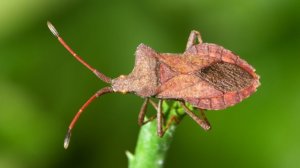
Lygus bugs, also known as tarnished plant bugs, inject a toxin while feeding, leaving sting marks on buds and shoots. Keeping the garden free of weeds, which host these pests, and using row covers are effective preventive measures. Native plants like asters and yarrow attract tachinid flies and parasitic wasps that prey on lygus bugs.
Whiteflies and Integrated Management
Whiteflies, small moth-like insects that congregate on leaf undersides, are more common in greenhouses but can also affect outdoor zinnias. They excrete honeydew, leading to sooty mold and leaf yellowing. Green lacewings and parasitic wasps are natural enemies, and yellow sticky traps can be used indoors. Outdoors, hand-removing egg-covered leaves and using a strong water spray are effective controls.
Ultimately, the key to managing zinnia pests lies in fostering a balanced garden ecosystem. By planting a diversity of nectar plants, gardeners can attract a host of beneficial insects that keep pest populations in check. Starting with cultural and mechanical methods—such as proper watering, removing debris, and using water sprays—before turning to pesticides ensures that pollinators and other beneficial organisms remain protected. With consistent monitoring and care, zinnias can thrive and bloom continuously from spring through fall, providing beauty and supporting local pollinators.