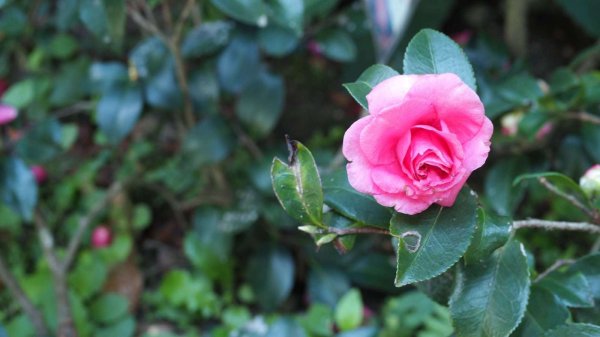
Camellias, cherished for their late fall to early spring blooms, are a staple in many gardens, but they are not immune to pest problems. From sap-sucking insects to foliage-chewing beetles and even hungry deer, a range of creatures can compromise the health of these evergreen shrubs. Understanding how to identify these pests and implement effective control measures is key to preserving the beauty and vigor of your camellias.
Camellia japonica and Camellia williamsii are the most common species in home landscapes, thriving in part shade and acidic soil. While proper watering and soil conditions are foundational, vigilance against pests is equally important. Pests can be broadly categorized into two groups: those that pierce leaves and suck sap, and those that consume the foliage outright.
Sap-Sucking Pests: Aphids, Scale, and Mites
Aphids, small pear-shaped insects often green or black, use their tube-like mouths to drain sap from tender new growth in the spring. A telltale sign of their presence is curling or shriveled new leaves. They also excrete a sticky substance called honeydew, which can lead to the growth of black sooty mold on leaves. While aphids rarely cause fatal damage, heavy infestations can weaken plants and transmit diseases. A forceful spray from a garden hose can dislodge them, and encouraging natural predators like ladybugs and wasps helps keep their numbers in check.
Scale insects, including tea scale (Fiorinia theae) and cottony camellia scale (Pulvinaria floccifera), are another sap-sucking threat. They appear as white, gauzy spots on the undersides of leaves and new growth. Scale can cause severe weakening, and untreated infestations can be fatal. For small outbreaks, scraping or brushing them off stems is effective and environmentally friendly. Larger infestations may require pruning and isolating the plant to prevent spread.
Spider mites, though tiny, can cause significant damage. Species like the southern red spider mite (Oligonychus ilicis) and the two-spotted spider mite (Tetranychus urticae) are common on camellias. They leave leaves looking stippled or speckled, and webbing may be visible. Regular inspection is crucial, as their small size makes them easy to miss until populations explode. A strong water spray can often control them, and maintaining proper soil moisture helps prevent outbreaks.
Foliage-Chewing Pests and Wildlife
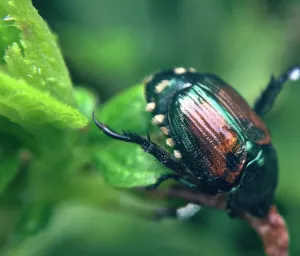
Beetles, including species like Rhabdopterus deceptor, are nocturnal feeders that carve long holes in camellia leaves. During the day, they hide in mulch at the plant's base. Handpicking them at night with a flashlight or using sticky traps are practical control methods.
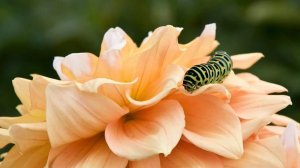
Caterpillars, such as the cabbage white butterfly (Pieris rapae) and codling moth (Cydia pomonella), are less of a threat but can still cause leaf drop and weaken plants. Hand removal, brushing them off, or introducing beneficial insects are effective. The bacterial insecticide Bt is also a common remedy.
Grasshoppers, though not a common threat, can devastate a garden if an infestation develops, particularly in western states after wet springs. Physical barriers like row covers and encouraging bird predators through birdhouses can help deter them.
Mealybugs, identifiable by their cottony masses, feed on plants and also produce honeydew, leading to sooty mold. They are less common but can be managed by spraying leaves or using neem oil, though care must be taken to protect beneficial insects.
Weevils, particularly the black vine weevil (Brachyrhinus ovatus), are serious pests. While adults eat foliage at night, the larvae feed on roots and can kill the plant. Sticky traps help catch adults, and introducing beneficial nematodes into the soil targets the larvae.
Deer, while not typical camellia eaters, may browse on leaves in winter when other food is scarce. Fencing or enclosures are the most reliable protection.
Ultimately, the best defense against camellia pests is attentive observation. Regular checks for signs of damage, such as stippling, webbing, or sooty mold, allow for early intervention, minimizing harm and preserving the health of these beautiful shrubs.