Finding a spider egg sac tucked in a corner of your home can be a startling discovery, especially if you're unsure whether it's already hatched. Pest control professionals say that with the right approach, you can safely remove these sacs and prevent a larger infestation. The key is knowing what you're looking for and acting quickly.
Spider egg sacs are silk structures created by female spiders to protect their eggs, and they are often found in or near the spider's main living area. According to Matt Smith, a licensed pest control professional and co-owner of Green Pest Management, the appearance of these sacs varies by species. "Some spider egg sacs look like a flat white cotton ball, while others can look more tannish in color," Smith explains. Ian Williams, an entomologist at Orkin, adds that the hue can range from white to cream to light tan, and the size is typically about that of a marble, though it can vary. The material is silky to the touch, sometimes appearing slightly fuzzy or papery.
Where Spiders Hide Their Nests
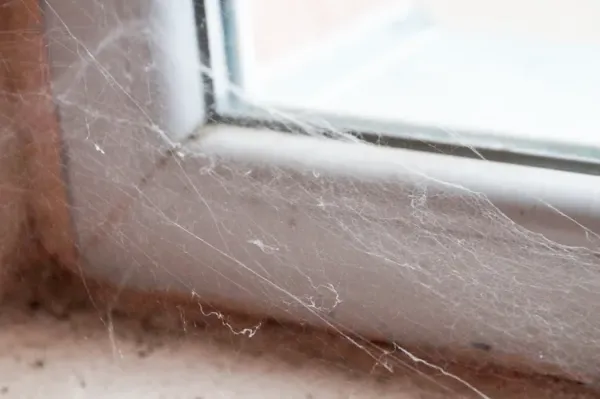
Spiders prefer dark, secluded, and tight spaces for laying eggs. Indoors, they often choose basement corners, crawl spaces, closets, attics, and the corners of ceilings or walls. They also nest behind or under furniture, along window frames, and in door crevices. Outdoors, common spots include under eaves, in vents, under patio furniture, and in piles of firewood. Williams notes that outdoor spiders are often drawn to areas near light sources that attract insects.
Safe Removal Steps
Before attempting any removal, experts advise wearing gloves and proceeding with caution, as even an inactive-looking sac may contain live spiderlings. Smith recommends using a stick or screwdriver to scrape the sac off and discard it in the trash. Alternatively, you can use a paper towel if you're comfortable getting close. Another effective method is vacuuming the sac with a hose attachment, along with any nearby webs. After vacuuming, empty the container into the garbage immediately or relocate the sac outside, as it could contain live spiders.
Once the sac is removed, clean the area with disinfectant or soapy water to eliminate any residual silk or attractants that might encourage the spider to return. Finally, inspect nearby corners, cracks, and storage areas for additional sacs, and repeat the process if you find more.
Preventing Future Nests
To reduce the likelihood of spiders returning, experts suggest several proactive measures. Use a broom to keep distance while removing nests, and spray a cleaning product in the area afterward to deter re-infestation. Act quickly, as Williams warns that once spiderlings hatch, they scatter and become much harder to control. For outdoor areas, encouraging spider predators can help keep populations in check. Sealing entry points—such as caulking cracks, installing door sweeps, and repairing window screens—can prevent spiders from entering your home in the first place.
If you suspect a larger infestation, especially involving venomous species, calling a professional is the safest course. Williams notes that if you're seeing multiple sacs or recurring spiders, a pest control expert can assess the situation and develop a targeted treatment plan to address the problem at its source.