 Read the story ↗
Garden Pests2026-11-09
Fungus gnats can damage houseplants and outdoor sprouts, especially in damp conditions. This guide explains their life cycle, the risks they pose, and a range of control methods, from hydrogen peroxide drenches to beneficial nematodes.
 Read the story ↗
Garden Pests2026-11-09
Woodpeckers, though federally protected, can cause significant damage to homes. This article outlines six humane, legal methods to discourage them, from netting and habitat modification to noise deterrents, emphasizing prevention and professional consultation when needed.
 Read the story ↗
Plant Problems2026-11-09
Whiteflies, tiny sap-feeding insects, can rapidly damage houseplants and garden vegetables. This article outlines identification signs, environmental triggers, and a range of mechanical, organic, and cultural control methods to manage infestations and prevent future outbreaks.
 Read the story ↗
Garden Pests2026-11-09
Gardeners seeking chemical-free aphid control can turn to two proven homemade sprays made from tomato leaves or garlic oil. Both recipes are simple, low-cost, and effective when applied correctly, though care is needed to protect beneficial insects. This guide explains how to prepare and use each spray, along with signs of infestation and alternative natural methods.
 Read the story ↗
Plant Problems2026-11-09
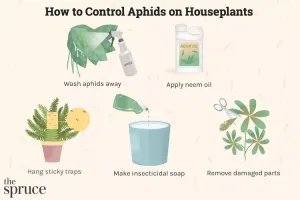
Aphids, tiny sap-sucking insects, can quickly infest indoor houseplants, causing leaf damage and spreading to other plants. This article outlines practical, low-toxicity control methods, from manual removal to organic sprays, and explains why healthy plants are the best defense.
 Read the story ↗
Plant Problems2026-11-09
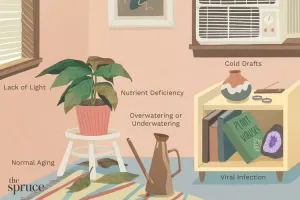
Yellowing leaves on indoor plants often signal stress, but pinpointing the cause can be tricky. This article breaks down the most common triggers, from watering issues to pests, and offers practical steps to help your plants recover.
 Read the story ↗
Garden Pests2026-11-09
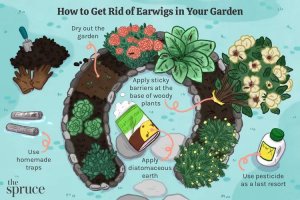
Earwigs, often feared for their pincers, are mostly harmless and can even be beneficial by eating aphids and slugs. However, when they damage plants, simple strategies like drying the soil, using traps, or applying diatomaceous earth can manage them. Learn the pros, cons, and prevention methods for these common garden insects.
 Read the story ↗
Plant Problems2026-11-09
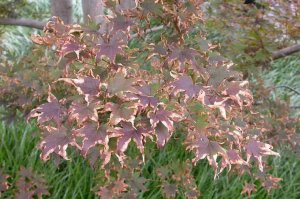
Japanese maple trees can develop brown, brittle leaves due to leaf scorch, often triggered by excessive sun, insufficient water, chemical burns, or harsh weather. Learn the signs, contributing factors, and practical steps to protect your tree and encourage recovery.
 Read the story ↗
Garden Pests2026-11-09
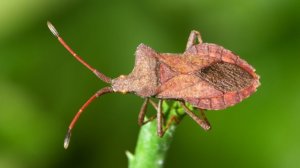
Squash bugs (Anasa tristis) threaten cucurbit crops by sucking sap and spreading disease. This guide details identification, life cycle, and integrated management strategies, including cultural, biological, and organic controls, to help gardeners protect their vines.
 Read the story ↗
Garden Pests2026-11-09
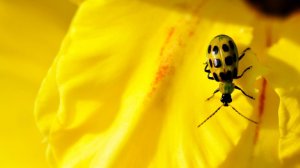
Cucumber beetles, from striped to spotted varieties, threaten gardens by feeding on roots and foliage while spreading bacterial wilt and mosaic virus. This guide details how to identify the main species, understand their life cycle, and apply integrated prevention and control strategies that prioritize environmental methods and beneficial predators.
 Read the story ↗
Garden Pests2026-11-09
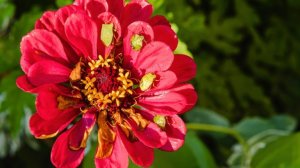
Zinnias, beloved for their heat tolerance and pollinator appeal, often attract a suite of common garden pests. This article outlines seven frequent invaders, their signs, and integrated pest management strategies that prioritize beneficial insects and cultural controls.
 Read the story ↗
Garden Pests2026-11-09
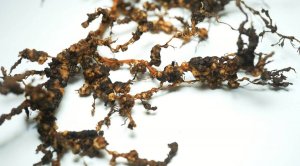
Root-knot nematodes, microscopic roundworms, silently damage thousands of plant species worldwide, causing stunted growth and yield loss. This article explains their life cycle, symptoms, and organic control methods, including soil solarization, cover crops, and resistant varieties.
 Read the story ↗
Garden Pests2026-11-09
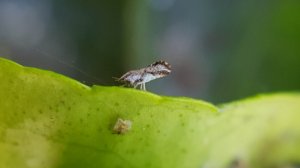
The Asian citrus psyllid, a tiny invasive insect, is spreading across North America and transmitting a fatal citrus disease. This article explains how to identify the pest, its life cycle, and the most effective control methods for home gardeners and commercial growers.
 Read the story ↗
Plant Problems2026-11-09
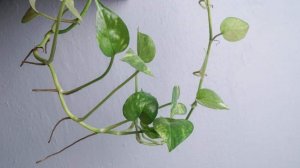
Pothos vines, known for their resilience, can still lose leaves and turn leggy due to common care mistakes. This article outlines the primary causes—insufficient light, lack of pruning, overwatering, nutrient gaps, and pests—and offers practical solutions to encourage fuller growth.
 Read the story ↗
Garden Pests2026-11-09
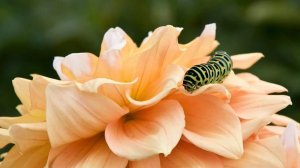
Dahlias attract a variety of pests that can damage foliage, stems, and blooms. This guide outlines 11 common culprits, from slugs and aphids to deer and squirrels, with practical identification and management strategies for each.
 Read the story ↗
Plant Problems2026-11-09
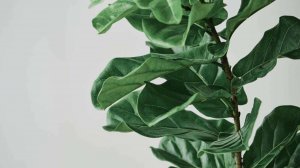
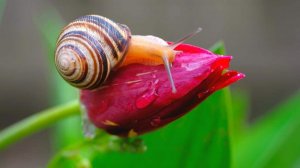
A leaning Fiddle Leaf Fig is a common but fixable issue, usually caused by insufficient light, improper watering, nutrient deficits, or pot size. This article explains the causes and provides practical solutions, including adjusting light exposure, staking, pruning, and repotting.
 Read the story ↗
Garden Pests2026-11-09
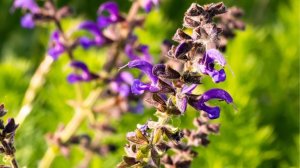
Tulips face threats from insects, mites, and mammals that can damage foliage, flowers, and bulbs. This guide details 11 common pests, offering identification tips and control methods ranging from natural predators to fencing. Learn how to protect your spring blooms with practical, low-impact strategies.
 Read the story ↗
Plant Problems2026-11-09
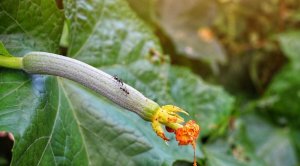
Salvia, a hardy perennial prized for its long bloom season and resilience, can still face issues like yellowing leaves, wilting, or pest attacks. This guide walks through the most common salvia problems, their causes, and practical fixes to help gardeners restore plant health.
 Read the story ↗
Garden Pests2026-11-09
Ants on zucchini plants usually signal an aphid infestation, as ants feed on the honeydew aphids produce. While ants rarely harm the plants directly, aphids can damage leaves and spread Cucumber Mosaic Virus. Gardeners can manage both pests with cultural, physical, and biological controls before resorting to chemicals.
 Read the story ↗
Plant Problems2026-11-09
Lavender plants may droop for several reasons, including overwatering, poor drainage, transplant stress, excessive fertilizer, small pots, heat, or fungal diseases. Understanding these causes helps gardeners adjust care to restore the plant's health and vigor.