 Read the story ↗
Garden Pests2026-11-09
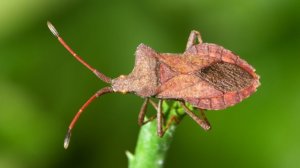
Squash bugs (Anasa tristis) threaten cucurbit crops by sucking sap and spreading disease. This guide details identification, life cycle, and integrated management strategies, including cultural, biological, and organic controls, to help gardeners protect their vines.
 Read the story ↗
Garden Pests2026-11-09
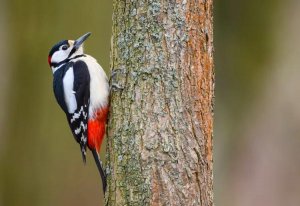
Woodpeckers, though federally protected, can cause significant damage to homes. This article outlines six humane, legal methods to discourage them, from netting and habitat modification to noise deterrents, emphasizing prevention and professional consultation when needed.
 Read the story ↗
Garden Pests2026-11-09
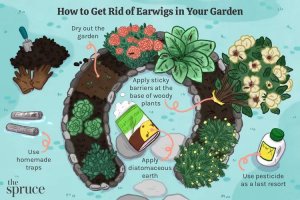
Earwigs, often feared for their pincers, are mostly harmless and can even be beneficial by eating aphids and slugs. However, when they damage plants, simple strategies like drying the soil, using traps, or applying diatomaceous earth can manage them. Learn the pros, cons, and prevention methods for these common garden insects.
 Read the story ↗
Garden Pests2026-11-09
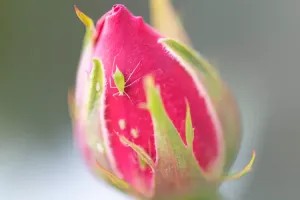
Gardeners seeking chemical-free aphid control can turn to two proven homemade sprays made from tomato leaves or garlic oil. Both recipes are simple, low-cost, and effective when applied correctly, though care is needed to protect beneficial insects. This guide explains how to prepare and use each spray, along with signs of infestation and alternative natural methods.
 Read the story ↗
Garden Pests2026-11-09
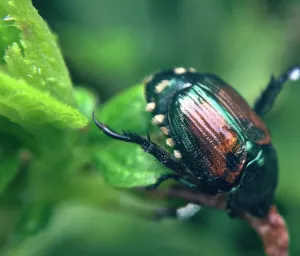
Japanese beetles, first detected in the U.S. around 1919, have become a widespread threat to gardens and farms. This article outlines practical, science-backed strategies for identifying, controlling, and preventing infestations, from hand-picking to biological controls.
 Read the story ↗
Garden Pests2026-11-09
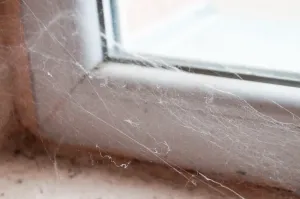
Discovering a spider egg sac in your home can be unsettling. Pest control experts share how to identify these sacs, where spiders typically hide them, and the safest methods to remove them before they hatch.
 Read the story ↗
Garden Pests2026-11-09
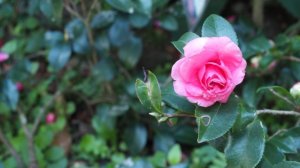
Camellias, prized for their winter blooms, face a range of pests from aphids to deer. This guide outlines identification techniques and control strategies, emphasizing early detection and environmentally mindful methods to keep shrubs healthy.
 Read the story ↗
Garden Pests2026-11-09
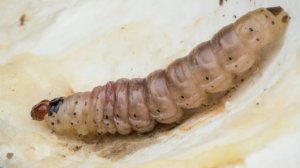
Iris borers can destroy an entire iris stand in a single season, but a year-round management plan—from early spring inspections to fall cleanup—can keep them at bay. This article outlines a practical, step-by-step approach to identifying, removing, and preventing these destructive caterpillars without resorting to harsh chemicals.
 Read the story ↗
Garden Pests2026-11-09
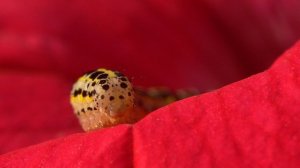
Gardeners facing budworm damage on petunias can use targeted prevention and control strategies. This guide explains how to identify, prevent, and manage these pests, from removing debris to using biological controls.
 Read the story ↗
Garden Pests2026-11-09
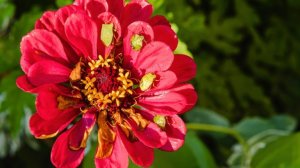
Zinnias, beloved for their heat tolerance and pollinator appeal, often attract a suite of common garden pests. This article outlines seven frequent invaders, their signs, and integrated pest management strategies that prioritize beneficial insects and cultural controls.
 Read the story ↗
Garden Pests2026-11-09
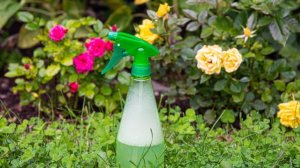
A review of scientific studies on DIY garden sprays reveals that while some homemade remedies can reduce pest populations, their effectiveness varies widely and often requires repeated applications. Experts suggest that commercial organic options may offer more reliable control.
 Read the story ↗
Garden Pests2026-11-09
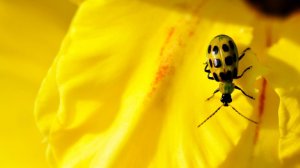
Cucumber beetles, from striped to spotted varieties, threaten gardens by feeding on roots and foliage while spreading bacterial wilt and mosaic virus. This guide details how to identify the main species, understand their life cycle, and apply integrated prevention and control strategies that prioritize environmental methods and beneficial predators.
 Read the story ↗
Garden Pests2026-11-09
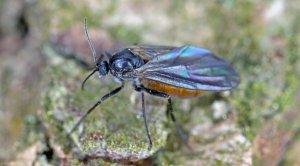
Fungus gnats can damage houseplants and outdoor sprouts, especially in damp conditions. This guide explains their life cycle, the risks they pose, and a range of control methods, from hydrogen peroxide drenches to beneficial nematodes.
 Read the story ↗
Garden Pests2026-11-09
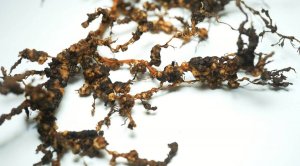
Root-knot nematodes, microscopic roundworms, silently damage thousands of plant species worldwide, causing stunted growth and yield loss. This article explains their life cycle, symptoms, and organic control methods, including soil solarization, cover crops, and resistant varieties.
 Read the story ↗
Garden Pests2026-11-09
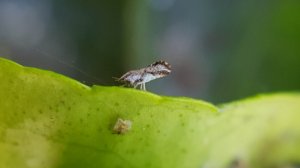
The Asian citrus psyllid, a tiny invasive insect, is spreading across North America and transmitting a fatal citrus disease. This article explains how to identify the pest, its life cycle, and the most effective control methods for home gardeners and commercial growers.
 Read the story ↗
Garden Pests2026-11-09
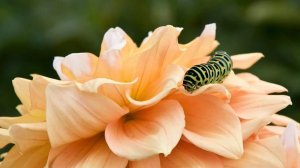
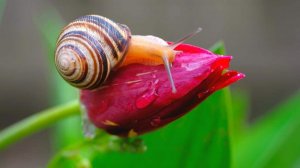
Dahlias attract a variety of pests that can damage foliage, stems, and blooms. This guide outlines 11 common culprits, from slugs and aphids to deer and squirrels, with practical identification and management strategies for each.
 Read the story ↗
Garden Pests2026-11-09
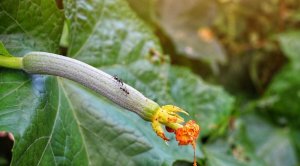
Tulips face threats from insects, mites, and mammals that can damage foliage, flowers, and bulbs. This guide details 11 common pests, offering identification tips and control methods ranging from natural predators to fencing. Learn how to protect your spring blooms with practical, low-impact strategies.
 Read the story ↗
Garden Pests2026-11-09
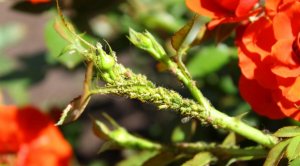
Ants on zucchini plants usually signal an aphid infestation, as ants feed on the honeydew aphids produce. While ants rarely harm the plants directly, aphids can damage leaves and spread Cucumber Mosaic Virus. Gardeners can manage both pests with cultural, physical, and biological controls before resorting to chemicals.
 Read the story ↗
Garden Pests2026-11-09
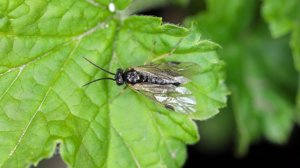
Aphids, particularly the rose aphid, can weaken rose plants by feeding on new growth. This article outlines seven methods to manage infestations, from using a hose to introducing natural predators, while cautioning against broad-spectrum insecticides that can harm beneficial insects and lead to secondary pest outbreaks.
 Read the story ↗
Garden Pests2026-11-09
Sawfly larvae, often mistaken for caterpillars, can defoliate garden plants quickly. This article explains how to identify them, the damage they cause, and offers a range of control methods from hand-picking to natural predators, with an emphasis on minimizing harm to beneficial insects.